
MOGADISHU – The Upper House of the Federal Parliament has unanimously endorsed the National Payment System Bill in a decisive session that also brought to light grim warnings regarding the country’s deepening humanitarian emergency.
In a sitting chaired by Speaker Cabdi Xaashi Cabdullaahi and Second Deputy Speaker Cabdullaahi Cali Xirsi “Timacadde,” senators finalized the third reading of the crucial financial legislation. However, the legislative success was tempered by a sobering briefing from disaster management officials, who described the current drought situation as an “abnormal” crisis affecting millions.
Landmark Financial Legislation Passed
The session began with the finalization of the National Payment System Bill, a key piece of legislation designed to regulate and enhance Somalia’s growing financial infrastructure.
Deputy Chairperson of the Finance Committee, Senator Ibraahim Awgab Cismaan, presented the committee’s final report, confirming that the bill had been updated to reflect recommendations made by senators in previous debates. Following the presentation, the chamber voted overwhelmingly in favor of the bill, with 28 senators approving the proposal and no opposing votes recorded.
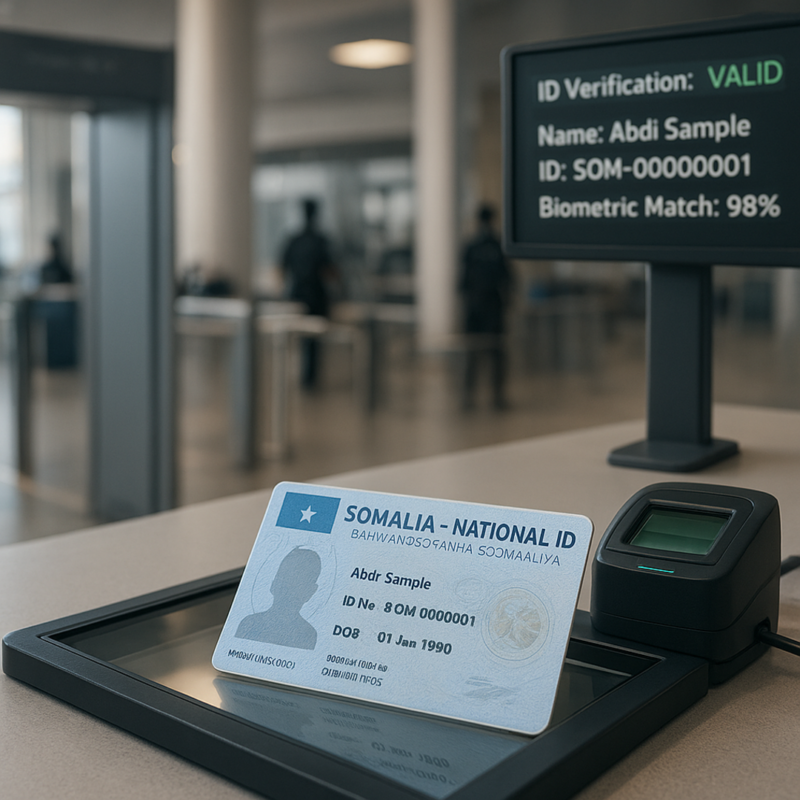
The passage of this bill provides a robust legal framework for the Central Bank of Somalia’s modernization efforts, which have included the adoption of IBAN and the integration of commercial lenders into a unified clearing system.
“Nation Not in a Normal State”
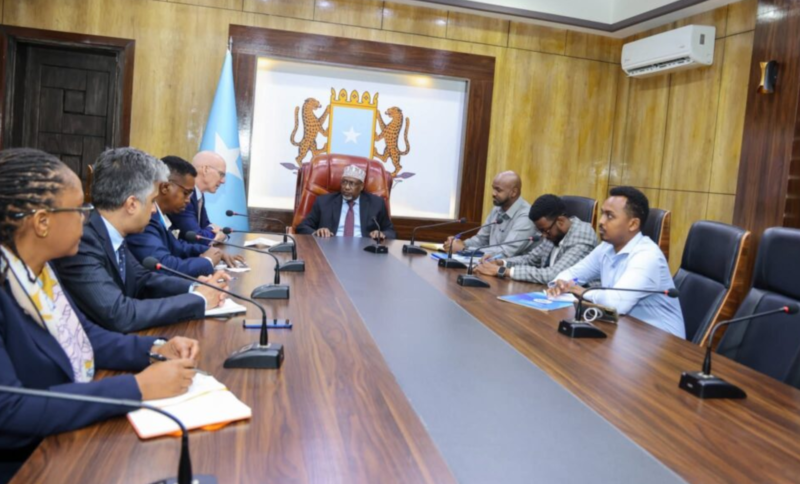
Following the legislative vote, the session turned to the urgent humanitarian situation. Mahmoud Moallim Abdulle, Chairman of the National Disaster Management Agency (NDMA), delivered a stark assessment of the drought conditions ravaging the country.
“The current situation is abnormal, and the nation is not in a normal state,” Abdulle informed the legislators. He attributed the severity of the crisis to the compounding effects of climate change and recurring environmental challenges, reporting that over 4.7 million people are currently confronting extreme drought circumstances.
The briefing prompted immediate concern from senators, who questioned the government’s preparedness and the specific regions most at risk. The Upper House leadership urged improved coordination between national entities and international partners, echoing recent calls for unified disaster response strategies as humanitarian needs escalate nationwide.
The NDMA indicated that rural communities remain the hardest hit, facing severe water shortages and loss of livelihoods, necessitating an urgent scale-up of emergency aid.