
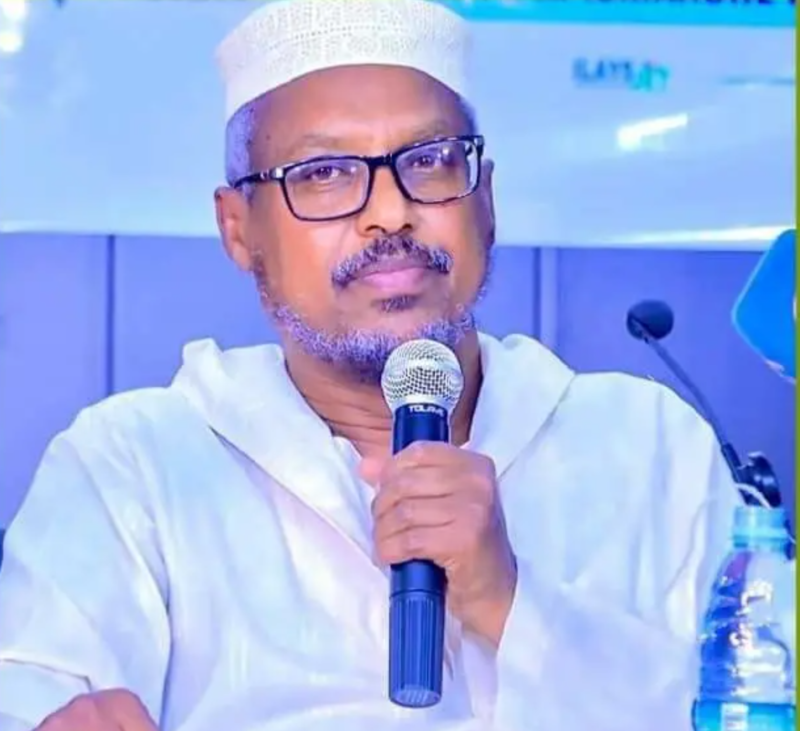
HARGEISA — Renowned Islamic scholar Sheikh Mustafa Haji Ismail Harun has commented on the controversial diplomatic breakthrough between Somaliland and Israel, issuing a stinging rebuke of the deal that has reshaped the Horn of Africa’s political landscape.
The Sheikh’s address comes just days after protests erupted following the December 26 announcement that Israel had officially recognized Somaliland’s independence, a move solidified by Israeli Foreign Minister Gideon Sa’ar’s historic visit to Hargeisa on January 6.
“Success Cannot Be Built on Injustice”
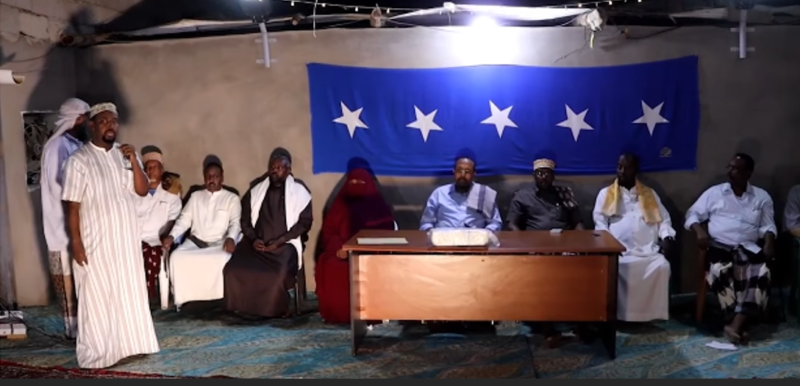
Addressing a packed congregation, Sheikh Mustafa responded to growing public pressure regarding his initial silence on the accord. Supporters and critics alike had taken to social media, questioning why the influential cleric had not immediately commented on the Somaliland government’s pivot toward Tel Aviv.
“No one is saying you should not seek what is missing from you,” Sheikh Mustafa told the audience, referring to Somaliland’s quest for international statehood and or grievances. “However, escaping the injustice you are facing should never lead you to support the greatest oppressor, who is killing Muslim people to this day.”
Citing the Humanitarian Toll in Gaza
The Sheikh’s condemnation centered on Israel’s conduct in Gaza. He offered grim statistics regarding the ongoing conflict, framing the alliance as a betrayal of Islamic solidarity.
“They have killed and injured 200,000 Muslim people, killed 315 preachers, caused the displacement and starvation of 2 million people, and destroyed 1109 mosques and 3 churches,” he noted, emphasizing that the Israelis has “never kept a promise,” referencing both modern diplomatic history and religious covenants.
“One cannot attain success through injustice, of any kind,” he added, directly challenging the government’s narrative that the Israeli partnership is a purely pragmatic path to prosperity and security.
Regional Fallout & Complications
Sheikh Mustafa’s intervention represents a significant domestic hurdle for the Somaliland administration. While the government has celebrated the Israeli recognition as a masterstroke that breaks 34 years of diplomatic isolation, the religious community’s dissent could fracture public support.
The geopolitical consequences are already rippling through the region. Just this week, FTL Somalia reported that Djibouti has canceled passports for Somaliland officials, a retaliatory measure that deepens Hargeisa’s isolation from its immediate neighbors even as it courts new allies further afield.
Furthermore, tensions with Cairo remain high. As noted in our recent analysis, Israel is increasingly concerned about Egypt’s growing influence in Mogadishu, viewing the Somaliland deal as a necessary counter-balance to the Egypt-Somalia security pact signed earlier this year.
By framing the recognition not as a political win, but as a moral failure, Sheikh Mustafa has shifted the debate in Hargeisa from one of diplomatic strategy to one of religious obligation.