
MOGADISHU — The Federation of Somali Trade Unions (FESTU), backed by United Nations support, has officially launched a nationwide initiative to educate workers about their fundamental labor rights. The comprehensive campaign aims to ensure the effective implementation of Somalia’s newly enacted Labor Code, which recently took effect after 52 years without meaningful reform.
A Historic Overhaul of Labor Laws
The new Labor Code emerged from extensive social dialogue and negotiations among Somalia’s tripartite constituencies: the Ministry of Labour and Social Affairs (MOLSA), the Somali Chamber of Commerce and Industry (SCCI), and FESTU, with vital technical and financial backing from the International Labour Organization (ILO). After collective agreement on the draft text, it was approved by the Federal Parliament and formally signed into law by the President of the Federal Republic of Somalia.
Organized labor, led by FESTU and its 12 affiliated national unions, persistently campaigned for over a decade to secure this critical reform. “For 52 years, Somalia’s workforce was governed by an outdated and unjust legal framework that no longer reflected modern workplace realities,” stated Omar Faruk Osman, General Secretary of FESTU. He emphasized that the new law explicitly affirms that dignity at work, protection from exploitation, and freedom from harassment are fundamental human rights.
Nationwide Education and Empowerment
From October to December 2025, FESTU executed the Labour Rights Education Programme in close partnership with the United Nations Transitional Mission in Somalia (UNTMIS) and UNICEF under the Joint Programme on Human Rights Phase II. Following the national launch in the capital, educational activities were successfully rolled out to workers across Baidoa (South West State), Dhusamareb (Galmudug State), and Beledweyne (Hirshabelle State).
The program placed a particular emphasis on workplace equality and protection. Specialized training sessions were conducted specifically for women, young workers, and individuals with disabilities. These sessions focused heavily on non-discrimination, reasonable accommodation, and occupational safety. The workshops also thoroughly addressed the prevention of sexual violence and harassment, referencing the ILO’s Violence and Harassment Convention (No. 190), which Somalia has fully ratified and domesticated.
Mass Outreach and Future Enforcement
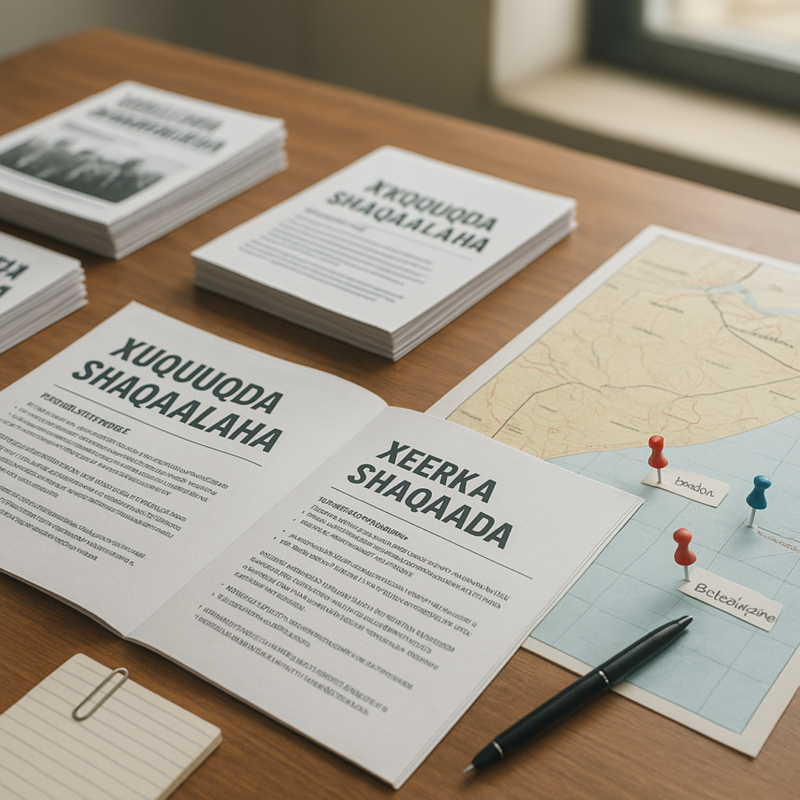
To maximize the campaign’s impact and ensure continuity, FESTU distributed over 3,200 printed educational materials in both the Maxaa Tiri and Maay dialects. Furthermore, a robust media campaign featuring targeted radio, television, and digital outreach generated massive engagement, reaching an estimated audience of more than 2.3 million people nationwide.
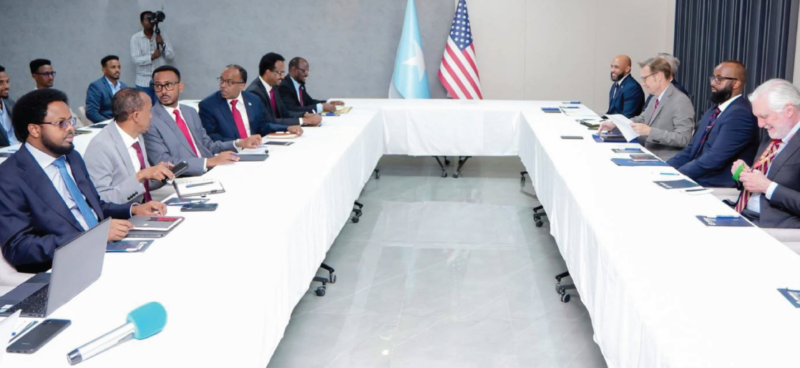
As part of the broader advocacy effort, FESTU leadership recently engaged with MOLSA and the Office of the Prime Minister to push for the strict enforcement of the updated Labor Code’s protective provisions. Government representatives have committed to strengthening compliance measures, an effort that coincides with Somalia’s ongoing preparation for the Universal Periodic Review and its dedication to Sustainable Development Goals 8 (decent work) and 10 (reduced inequalities).