
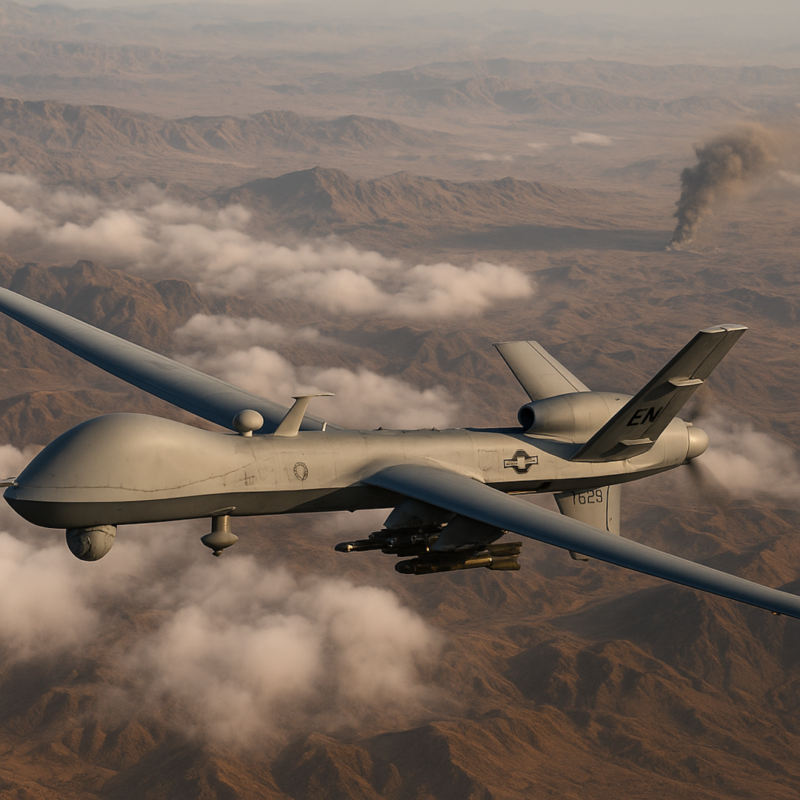
WASHINGTON — The United States Africa Command (AFRICOM) has defended its intensified airstrikes in Somalia, characterizing the operations as “critical support” that has enabled local forces to diminish ISIS-Somalia militants in the country’s northeast.
During a digital press briefing, AFRICOM commander General Dagvin Anderson explained that the strikes were executed in close coordination with Somali forces. He stated the operations are intended to deliver capabilities that local troops cannot independently produce, including advanced intelligence, surveillance, and precision targeting.
Focus on Golis Mountains
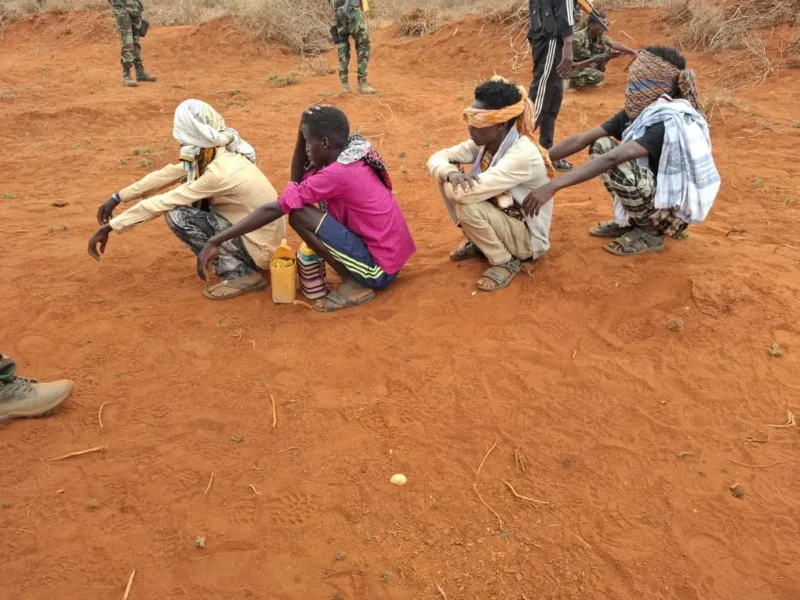
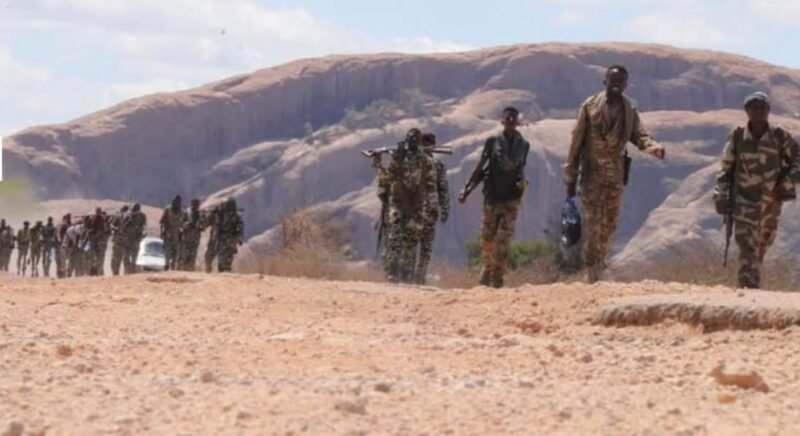
Anderson highlighted recent operations in Puntland’s Golis Mountains as evidence of the strategy’s impact. Somali forces, backed by American air power, initiated an offensive against ISIS fighters embedded in the challenging terrain.
“These strikes have enabled them to remain engaged, reduce the territory controlled by ISIS, and most importantly, sustain pressure in the Golis Mountains,” Anderson stated.
According to AFRICOM assessments, sustained military pressure has compelled ISIS leadership into deeper concealment, restricting the group’s capacity to coordinate operations.
Maritime Security Cooperation
While airstrikes have attracted significant attention, officials emphasized they represent just one component of a broader security partnership.
AFRICOM’s Command Senior Enlisted Leader, Sergeant Major Garric M. Banfield, underscored concurrent initiatives to enhance maritime security along Somalia’s extensive coastline.
“This encompasses technical support to enable Somali authorities to monitor their waters and counter threats such as arms smuggling, piracy, and illegal fishing,” Banfield explained.
Strategic Partnership
US officials connect maritime insecurity to broader regional instability in the Gulf of Aden and the Red Sea, warning that smuggling networks can channel weapons to armed groups like Al-Shabaab.