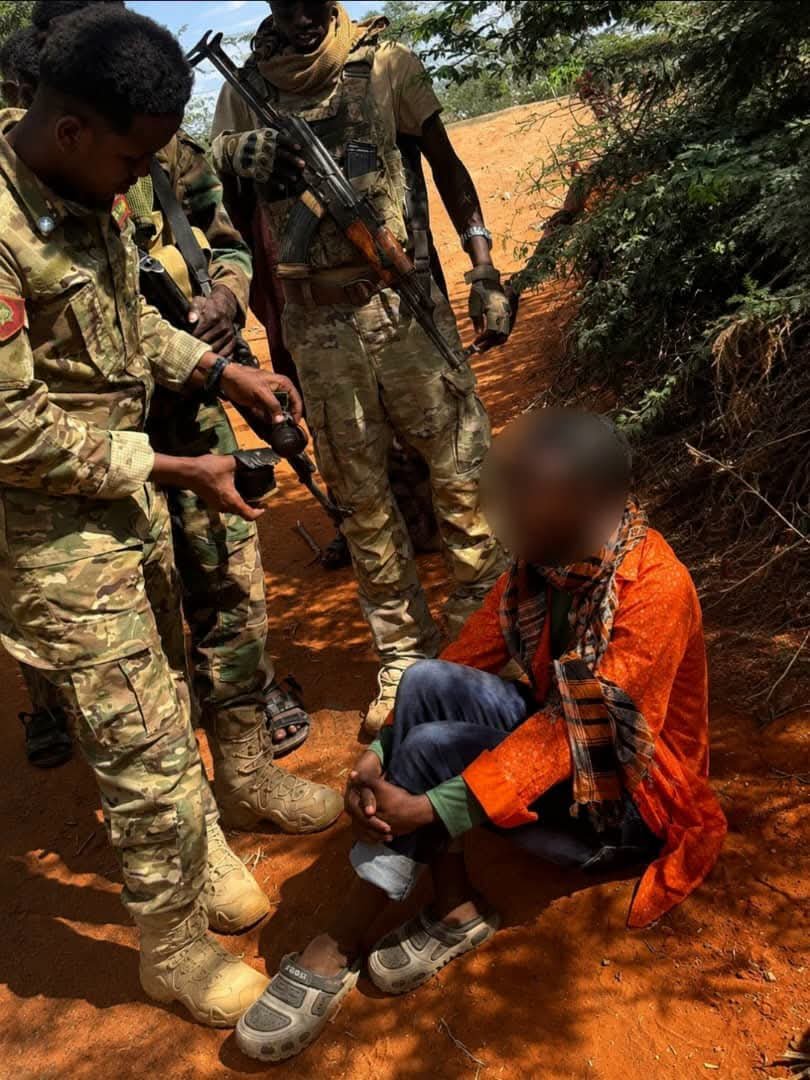

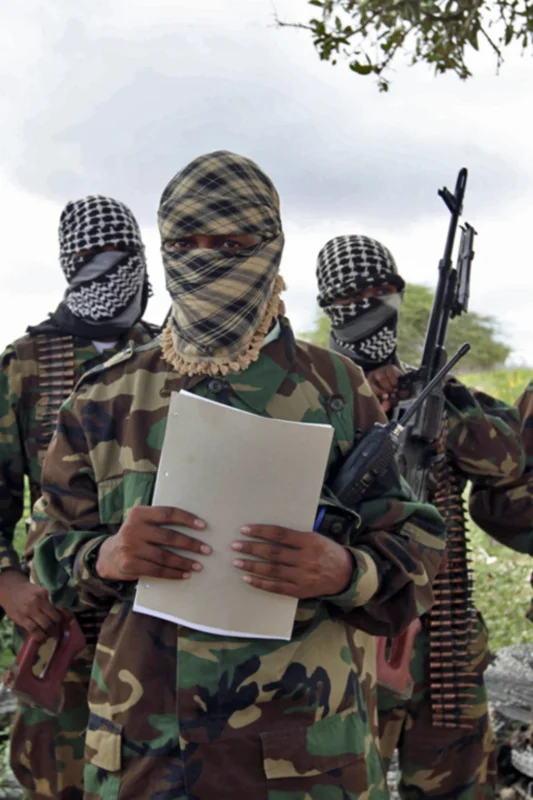
TAWAKAL — Two Macawisley fighters from the Wargaadhi area have killed a senior Al-Shabaab commander in the Tawakal area, approximately five kilometres from Masjid Ali Gaduud in the Middle Shabelle region, on August 21, 2026 .
The slain commander was identified as Abdullahi Mahmud Odowaa, known as Faadhuud, a 57-year-old who had been a member of the militant group since 2009 . He was responsible for the group’s extortion operations in the region, collecting large sums of money from local residents. The operation was carried out by Farah Ismaan Raage and Jacfar Axmed Dhuxul, two local fighters who infiltrated a militant-held area and killed the commander with small arms .
Faadhuud had been responsible for numerous abuses against the local population, including extortion and disrupting movement in the district, and had forced many residents to flee their homes. He was also involved in scouting locations for militant hideouts and routes used for organizing attacks in the Middle Shabelle region. His knowledge of the region’s geography was used to guide militants and facilitate attacks against civilians and security forces .
The killing of Faadhuud follows a pattern of intensified operations against Al-Shabaab commanders in the Middle Shabelle region. In another operation, forces from the Daru-Nimca area conducted a raid on a militant hideout on the outskirts of the village, killing Hassan Hussein Hurshow, known as Hassan Garabdheere, who was responsible for what the group refers to as the Sakawad area, covering Caddadley, Cadnaan-leexey and Daru-nimca, which fall under the Ruunirgood district .
A Pattern of Community-Led Resistance
The killing of Faadhuud is part of a broader pattern of community-led resistance against Al-Shabaab in central and southern Somalia. The Macawiisley militia, composed of local volunteers, has played a vital role in supporting Somali National Army offensives and maintaining control over liberated villages .
In August 2026, two young herders killed a senior Al-Shabaab commander in the Ruunirgood district of the Middle Shabelle region. The slain commander was identified as Xasan Calasow Raage, also known as Xasan Xusuleey, a 50-year-old native of the Ruunirgood district who served as the transport commander for the area and had previously held the position of head of the group’s extortion unit .
NISA has also conducted intelligence-driven operations across central Somalia, with preemptive strikes destroying major militant strongholds and thwarting several imminent attacks. Security sources confirmed that these coordinated operations specifically targeted armed Kharijite elements gathering in the Hiiraan and Middle Shabelle regions, which have long been identified as vital logistical pathways for insurgents .
NISA killed three Al-Shabaab commanders and seriously wounded senior leader Mustaf Caato in a planned operation in the Maxaas district of the Hiiraan region. NISA has also eliminated 20 Al-Shabaab militants in previous Middle Shabelle operations, destroying a key militant base and training camp that served as a hub for coordination, logistics, and recruitment in the region .
Critical Note
The killing of Abdullahi Faadhuud by Macawisley fighters represents another tactical success in the growing community-led resistance against Al-Shabaab in Middle Shabelle. The ability of local fighters to infiltrate a militant-controlled area and eliminate a senior commander highlights the effectiveness of intelligence-driven operations and the willingness of communities to resist the group’s abuses.
However, the broader security situation in the region remains precarious. While the killing of Faadhuud and other commanders is a welcome development, Al-Shabaab has demonstrated resilience, adapting its tactics and maintaining its ability to carry out attacks despite sustained military pressure. The government must continue to support local communities and security forces to ensure that the gains made are consolidated.
The reliance on community-led resistance, while effective in some cases, also reflects the government’s limited capacity to provide security in rural areas. The state must invest in governance, reconciliation, and service delivery in liberated areas to prevent militants from returning. Without a comprehensive approach that addresses the root causes of instability, the cycle of violence and displacement is likely to continue.
Recommended Reading On ftlsomalia.com
- Xasan Calasow: The Al-Shabaab Commander Killed by Local Youth in Ruunirgood
- Two Young Herders Kill Senior Al-Shabaab Commander in Middle Shabelle
- Somali Forces Kill 22 Al-Shabaab Militants, Including Commander, in Lower Shabelle
- NISA Kills Three Al-Shabaab Commanders, Wounds Senior Leader in Maxaas Operation