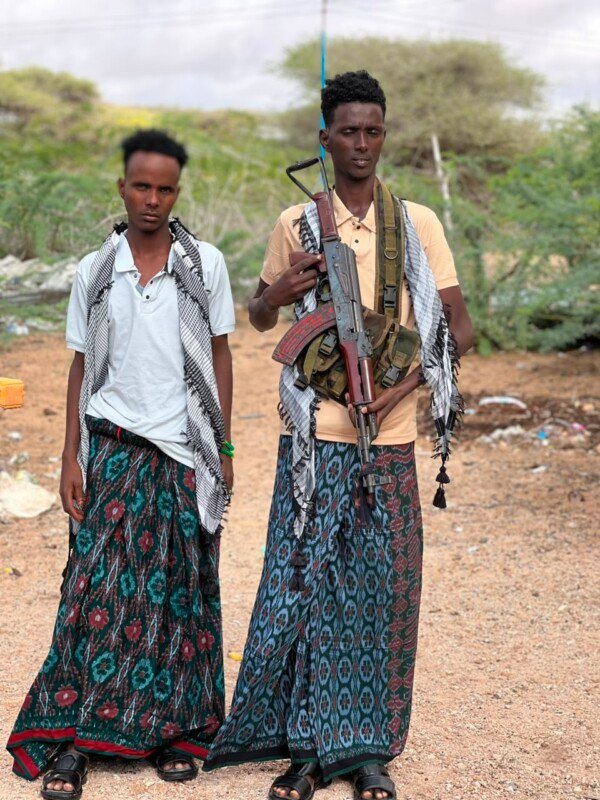

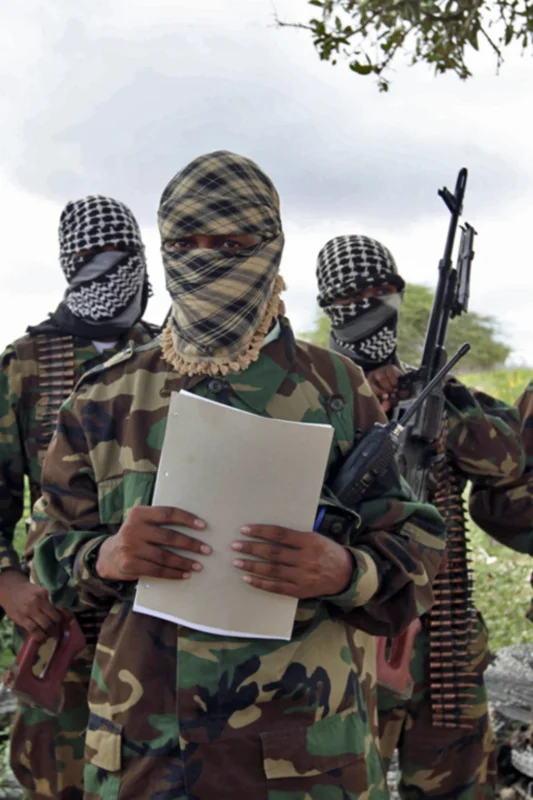
MOGADISHU — Two young herders have killed a senior Al-Shabaab commander in the Ruunirgood district of the Middle Shabelle region on August 17, 2026, in what the Ministry of Defence has described as a significant act of community resistance against Khawaarij militants.
The slain commander was identified as Xasan Calasow Raage, also known as Xasan Xusuleey, a 50-year-old native of the Ruunirgood district. He was a senior leader in the group’s operations in the Middle Shabelle region and served as the transport commander for the area. He had previously held the position of head of the group’s “Sakawaad” (extortion) unit in Ruunirgood and was well known in the district and surrounding areas.
The two young herders killed the commander and seized his AK-47 rifle and ammunition. The commander had been responsible for numerous abuses against the local population, including livestock theft, extortion, and disrupting movement in the district, and had forced many residents to flee their homes.
Growing Community Resistance and Macawiisley Operations
The killing of Xasan Xusuleey is part of a broader pattern of community-led resistance against Al-Shabaab in central and southern Somalia. The Macawiisley militia, composed of local volunteers, has played a vital role in supporting Somali National Army offensives and maintaining control over liberated villages.
NISA has conducted intelligence-driven operations across central Somalia, with preemptive strikes destroying major militant strongholds and thwarting several imminent attacks. Security sources confirmed that these coordinated operations specifically targeted armed Kharijite elements gathering in the Hiiraan and Middle Shabelle regions, which have long been identified as vital logistical pathways for insurgents.
NISA has also conducted a series of planned operations across the Middle Shabelle and Hiiraan regions, resulting in the deaths of two senior Al-Shabaab propaganda operatives and 14 other militants. The operations targeted the group’s media infrastructure and a militant assembly point, marking tactical victories in the government’s ongoing counter-terrorism campaign.
NISA killed three Al-Shabaab commanders and seriously wounded senior leader Mustaf Caato in a planned operation in the Maxaas district of the Hiiraan region. NISA has also eliminated 20 Al-Shabaab militants in previous Middle Shabelle operations, destroying a key militant base and training camp that served as a hub for coordination, logistics, and recruitment in the region.
The Ministry of Defence has reaffirmed its commitment to sustaining operational pressure, stating that tactical actions will continue until the remaining Khawaarij elements are fully neutralized and national security is restored.
Security Implications
The killing of a senior commander by local herders represents a significant development in the struggle against the militant group, highlighting the growing willingness of communities to resist Al-Shabaab’s abuses. Ruunirgood district has been a strategic stronghold for Al-Shabaab in the Middle Shabelle region, and its recapture by government forces in 2024 represented a tactical blow to the group’s presence in central Somalia.
NISA has also eliminated two senior commanders within the Khawaarij network in coordinated precision operations alongside international security partners. These focused decapitation operations significantly impair the operational mobility and logistical capabilities of the militant organization.
Critical Note
The killing of Xasan Calasow by two young herders is a remarkable act of courage that underscores the deep resentment local communities hold toward Al-Shabaab’s extortion and brutality. The Macawiisley movement, which has been instrumental in pushing back militant control from rural villages, demonstrates that community-led resistance can complement formal military operations.
However, the government must ensure that such acts of community resistance are accompanied by sustained security and governance improvements to prevent the group from regaining control. While the killing of Xasan Xusuleey is a tactical success, the broader campaign against Al-Shabaab continues to face significant challenges. The group has demonstrated resilience, adapting its tactics and maintaining its ability to carry out attacks despite sustained military pressure. The government must continue to support local communities and security forces to ensure that the gains made are consolidated.
Until the state demonstrates it can provide consistent security and justice for its citizens, acts of community resistance—however heroic—will remain a desperate response to state failure rather than a sustainable solution to Somalia’s security crisis. The government’s emphasis on military solutions, while neglecting governance and reconciliation, risks perpetuating a cycle of violence rather than breaking it.
Recommended Reading On ftlsomalia.com
- Two Young Herders Kill Senior Al-Shabaab Commander in Middle Shabelle
- NISA Strikes Al-Shabaab Propaganda Hub and Militant Assembly Point in Coordinated Operations
- NISA Kills Three Al-Shabaab Commanders, Wounds Senior Leader in Maxaas Operation
- NISA Thwarts Attacks, Kills 23 Militants in Central Operations
- NISA, International Partners Eliminate Khawaarij Leaders in Precision Strikes
- Somali Forces Kill 22 Al-Shabaab Militants, Including Commander, in Lower Shabelle