
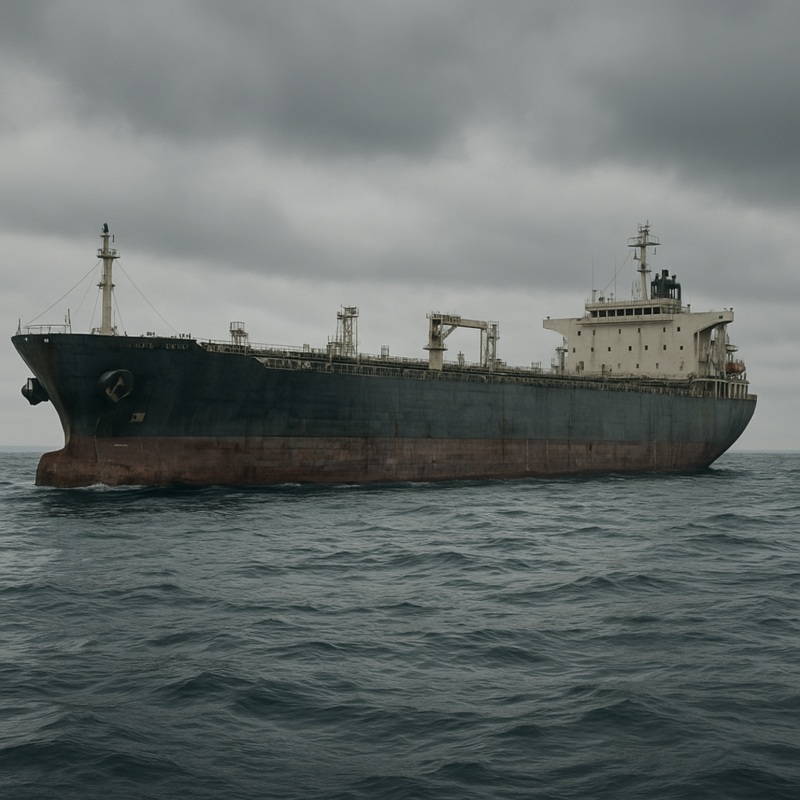
CAIRO – The crisis involving Egyptian sailors held aboard the oil tanker M/T Eureka has become more complex after Somali pirates who seized the vessel off Yemen’s coast last month reportedly increased their ransom demand from $2 million to $3 million for the crew’s release, according to a statement released Wednesday by the sailors’ families.More than 45 days have passed with no clear sign of progress since the tanker was hijacked on May 2 near Yemen’s Shabwa governorate. The ship was later moved through the Gulf of Aden toward the Somali coast. Its crew includes 12 sailors, eight Egyptians and four Indians. Previous reports had indicated that pirates had raised their ransom demand to as high as $10 million, though the families’ latest statement suggests negotiations had progressed to a lower figure before the current impasse.
According to the families, negotiations had previously advanced, leading to an agreement between the shipowner and cargo owner on one side and the pirates on the other to pay a ransom for the hostages’ freedom. However, delays in transferring the agreed amount prompted the captors to threaten to cancel the arrangement and raise their demands.
Negotiations Face New Barriers
Captain El-Sayed El-Shazly, head of Egypt’s Maritime Officers Syndicate, said recent efforts to secure the sailors’ release had run into setbacks. He said the pirates increased their demand to $3 million after an earlier agreement with the vessel’s owner on a $2 million payment.
Speaking to Asharq Al-Awsat, El-Shazly said Egypt’s Foreign Ministry and Maritime Safety Authority had pursued contacts and diplomatic efforts at different levels to support the negotiations. He firmly rejected the idea of military intervention, warning that any rescue attempt would pose serious risks to the hostages’ lives and safety.
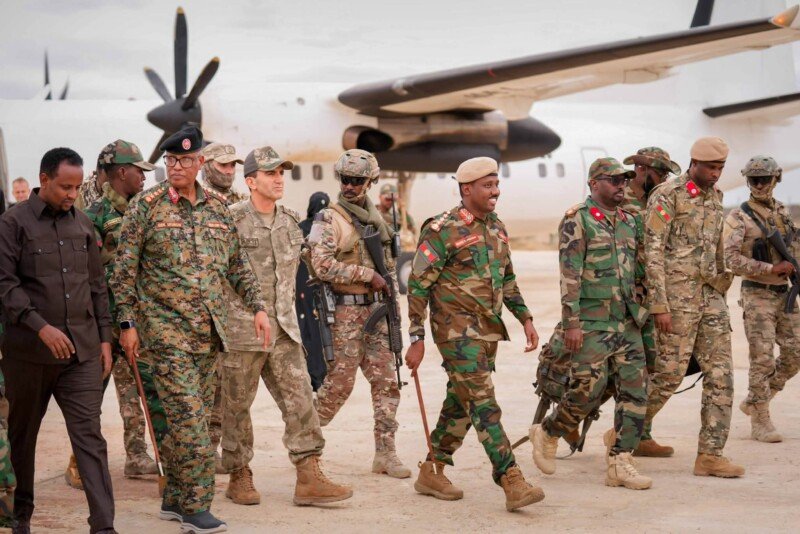
Somalia’s Ambassador to Egypt, Ali Abdi Aware, has stated that the Federal Government is intensifying diplomatic efforts to secure the release of the eight Egyptian nationals. The ambassador noted that coordinated cooperation and diplomatic engagements are occurring at multiple levels, with the Somali government maintaining strong contacts with all relevant parties.
Families Fear Crisis May Become Unsolvable
With release discussions stalled, relatives fear the crisis may become even harder to resolve. In their statement, the families warned that continued delays would further complicate the situation and undermine the demanding efforts made by the authorities, calling for rapid implementation of the proposed solutions.
The families said the sailors have endured 45 days of suffering, anxiety and uncertainty under harsh humanitarian conditions, including shortages of drinking water and sufficient food. They have also launched an online solidarity campaign under several hashtags, most notably “Save the Sailors.”
Amira Abu Saada, the wife of detained sailor Mohamed Radi El-Mahsab, described the ordeal as increasingly difficult as uncertainty over the hostages’ fate continues.
“Sporadic phone calls were our only source of reassurance,” she told Asharq Al-Awsat, adding that such contact has become increasingly rare. The last call she received from her husband was on the second day of Eid al-Adha, more than three weeks ago.
Safety Concerns Reemerge
Since the hijacking in early May, Egypt’s Foreign Ministry has said it has been closely monitoring the case through coordination with the Egyptian embassy in Mogadishu and contacts with Somali authorities to ensure the sailors’ safety and secure their release as quickly as possible.
The continuing complications in the case have revived debate over safety procedures and regulations for Egyptian sailors working aboard foreign vessels.
“The incident underscores the need for a serious discussion about regulating the employment of Egyptian sailors abroad,” El-Shazly said. He called for stricter standards for service on foreign ships, especially vessels with questions over safety compliance and operating conditions.
For years, piracy off the Horn of Africa posed a major threat to international shipping. Attacks peaked in 2008 and continued for years, disrupting one of the world’s most important maritime trade routes. After falling significantly in recent years, piracy incidents have reappeared since late 2023 amid rising regional security tensions and growing risks to global shipping lanes. The recent resurgence has been fueled by a shift in international naval resources toward the Red Sea, creating a security vacuum that pirate groups are exploiting.
Recommended Reading On ftlsomalia.com: