
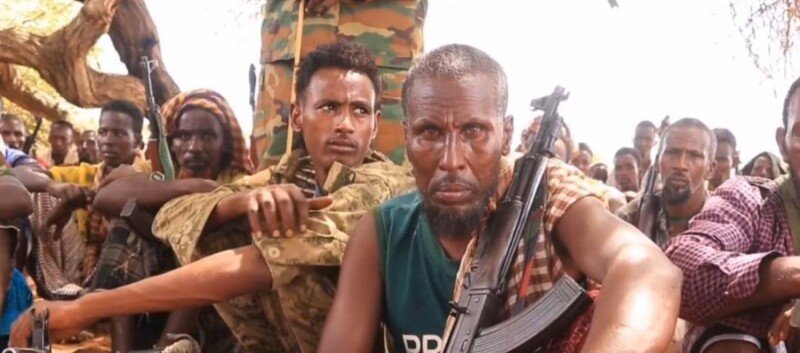
BELEDWEYNE — Heavy fighting erupted this morning in the Hiraan region, specifically in the areas between Maxaas and Teedaan, where Somali National Army forces supported by local Ma’awisley militias engaged Al-Shabaab fighters in a large-scale confrontation, according to local sources.
The battle began early in the morning, with preliminary reports indicating that powerful explosions, believed to have been caused by vehicle-borne improvised explosive devices, struck front-line positions. The official casualty toll remains unclear as fighting continues to rage in the contested areas, and independent verification of the reported clashes has been hindered by the ongoing nature of the operation.
Military Operations and Strategic Objectives
According to reports from the front lines, federal forces and Ma’awisley militiamen have been conducting operations in the area since yesterday. Somali forces have reportedly surrounded Al-Shabaab elements in the corridor between Maxaas and Teedaan, effectively cutting off escape routes and supply lines. Other elements of the militant group have reportedly attempted to break through the encirclement but faced stiff resistance from government and local forces.
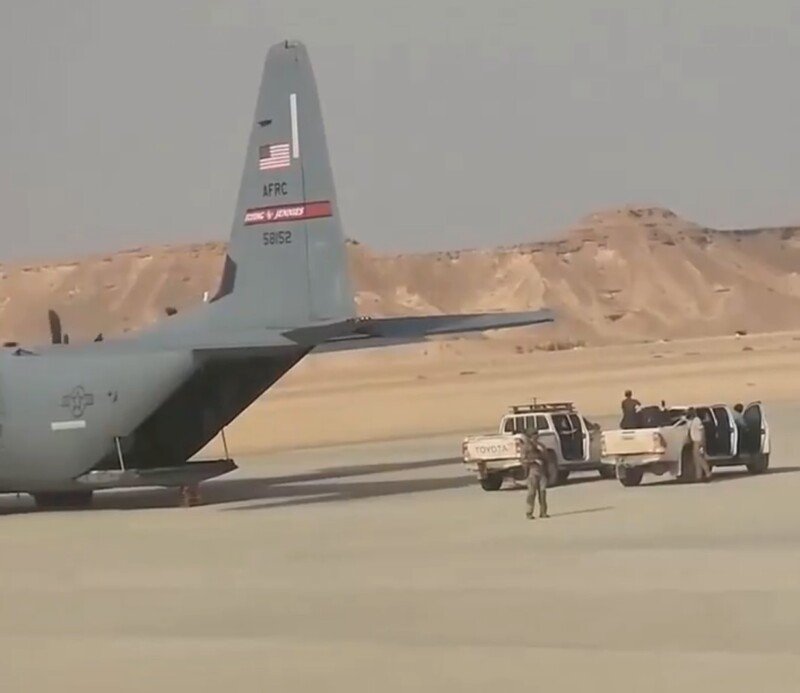
Warplanes have also been involved in the operation, carrying out airstrikes on Al-Shabaab positions and movements. The extent of casualties inflicted by these strikes has not been disclosed, and it remains unclear which nations or entities are providing aerial support for the operation. Previous operations in Hiraan have relied on both Somali air assets and international partners, including the African Union Transition Mission in Somalia (ATMIS), though specific details of today’s air component have not been confirmed.
The ongoing offensive is part of a broader campaign by the Federal Government to dislodge Al-Shabaab from areas it still controls in Hiraan, a strategically important region that lies at the intersection of several supply routes and border areas. Recent weeks have seen intensified joint operations aimed at clearing the group from its remaining strongholds in the region.
Context and Recent Successes
The fighting comes just one day after the Federal Government claimed successes in earlier operations in Hiraan. Officials had previously displayed captured Al-Shabaab members and confirmed that airstrikes had supported the ongoing ground offensive. While authorities have framed these as significant victories, past claims of operational successes in the region have often been difficult to verify independently, and militant groups have frequently regrouped after initial setbacks.
The federal government has repeatedly identified Hiraan as a priority area for counter-insurgency operations, with President Mohamud vowing to clear the region of Khawaarij elements. However, previous promises of liberation have faced delays due to logistical constraints, troop shortages, and the resilience of the insurgency. The current operation marks another attempt to translate political rhetoric into tangible progress on the ground.
In recent months, the government has launched a series of security operations in eastern Hiraan as part of a broader national initiative to eradicate extremist fighters and secure recently liberated zones. The Maxaas district has been a focal point of these efforts, with local Macawisley forces conducting significant operations in areas surrounding the district, inflicting substantial losses on Al-Shabaab militants.
In July 2026, precision airstrikes in the Suullaay area, approximately 17 kilometres south of Teedaan, killed 18 militants and wounded 21 others, while also destroying a military vehicle and defensive fortifications used by the group. Despite these operations, Al-Shabaab has proven resilient, frequently regrouping and adapting to military pressure. The group’s ability to continue launching attacks and exploiting local grievances underscores the limitations of a purely military approach.
Deadly clashes have also erupted in the Waab-weyn area of the Maxaas district, pitting local Macawisley militia forces against Al-Shabaab fighters, with federal troops later joining the battle as both sides suffered casualties. The clash began after Al-Shabaab fighters reportedly killed two civilians in the area, triggering an immediate response from the Macawisley.
Critical Note
While federal officials have presented the Hiraan offensive as a turning point in the fight against Al-Shabaab, the group’s demonstrated ability to launch counter-offensives and maintain operational capability in areas the government claims to have cleared suggests that a durable victory remains elusive. The reliance on local militias, while tactically useful, raises longer-term questions about accountability, post-conflict governance, and the potential for these armed groups to become political actors in their own right. Furthermore, the government has yet to provide a comprehensive account of casualties on both sides, with civilians caught in the crossfire bearing the heaviest burden. Without transparent reporting and a credible plan for stabilization after the fighting subsides, operations such as this one risk repeating the cycle of temporary gains followed by gradual erosion of security.
Recommended Reading On ftlsomalia.com
- Somali Army, International Partners Target Al-Shabaab in Suullaay, Killing 18 and Wounding 21
- Deadly Clash Erupts in Hiiraan as Macawisley Forces Confront Al-Shabaab Following Killing of Civilians
- Local Fighters Claim Success Against Al-Shabaab in Hiiraan
- Somali Army Launches Security Operations in Eastern Hiran
- NISA Operation in Hiiraan Eliminates Five Al-Shabaab Militants