
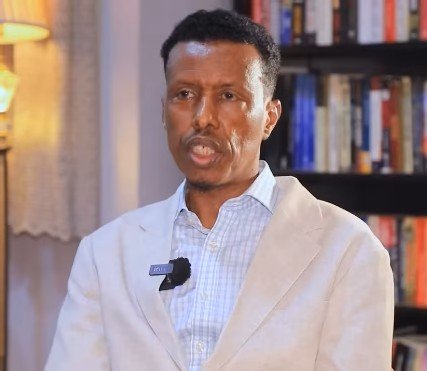
MOGADISHU – Former National Security Advisor Hussein Macallin has warned that Somalia’s future security and statehood depend on the government’s ability to independently secure the country, cautioning that a state reliant on foreign forces cannot be sustainable.
Macallin, who served as National Security Adviser and confirmed the transition from ATMIS to AUSSOM in 2024, said that while international forces and support have played a significant role in securing Somalia for an extended period, the time for security self-sufficiency has been delayed beyond expectations. He stressed that the government must develop a clear plan to reduce its dependence on foreign troops.
“Statehood cannot rest on external forces. It is unfortunate that we have not done what was needed of us as we should have,” Macallin said, expressing concern over the delays in building the country’s security capabilities.
The former security adviser said the current situation cannot be blamed on the Somali people, but that the primary responsibility lies with successive governments that have failed to build a national army and security institutions capable of fully taking over security responsibilities. He pointed out that the delay in rebuilding the armed forces and other security agencies has left Somalia still reliant on foreign military and technical support.
Macallin further warned that unless this issue is addressed, it will be difficult for the country to achieve security self-sufficiency. He also said the persistent delays in security and development create frustration among the public, who have grown weary of recurring challenges and dashed hopes for stability.
“When the people see fatigue, economic hardship, and setbacks in everything, they become disillusioned. The reason for this is that we have not done the work expected of us properly,” he added.
Decades of Investment, Lingering Reliance
Macallin’s warning comes amid growing international scrutiny over the effectiveness of security assistance to Somalia. The European Union and United States have together funneled more than $7 billion into Somalia’s security sector since 2007, according to the EU Institute for Security Studies. Yet nearly two decades later, Somalia remains dependent on international forces, with donor nations increasingly questioning the long-term results of their investment.
AUSSOM, which officially replaced the African Union Transition Mission in Somalia (ATMIS) in January 2025, is designed to operate with a reduced force of fewer than 12,000 troops under a new Concept of Operations focused on training, advising, and institutional capacity building for Somali security forces. The mission reflects a strategic shift from direct combat support to enabling Somali forces to lead in securing the nation.
However, AUSSOM’s success hinges on meaningful collaboration with Somali forces, whose ability to hold and stabilise recovered areas remains in question. Security analysts warn that unless Somalia accelerates defence sector reforms, improves logistical coordination, and boosts morale within its national forces, even renewed foreign backing may prove unsustainable.
A Transition to Full Responsibility
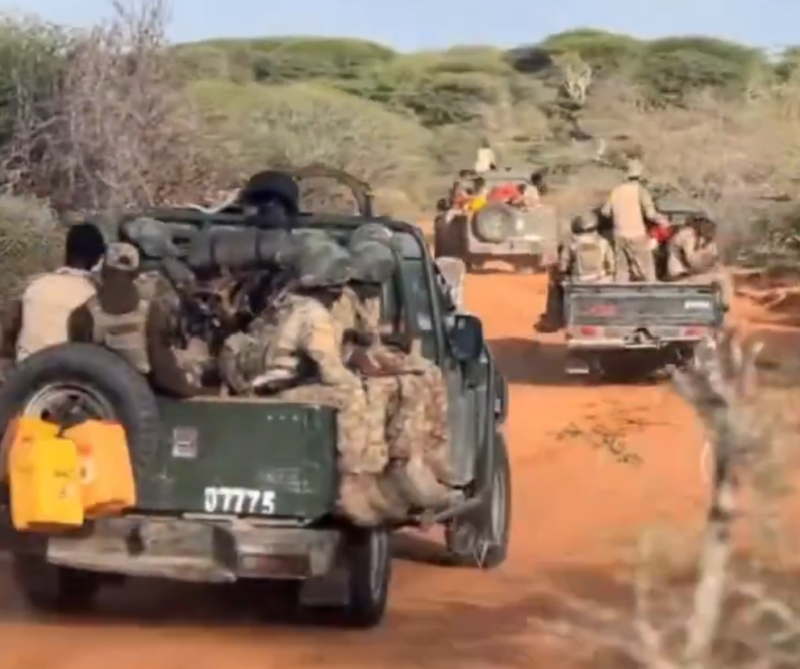
The United Nations Security Council has acknowledged that Somalia is not yet ready to stand alone militarily. The council approved the continuation of AUSSOM through December 2026, maintaining a force of nearly 12,000 troops and police. This extension highlights a sobering reality: while Mogadishu has won its political independence, with the UN political office set to close by October 2026, the Somali National Army still relies on African Union support to hold territory against Al-Shabaab militants.
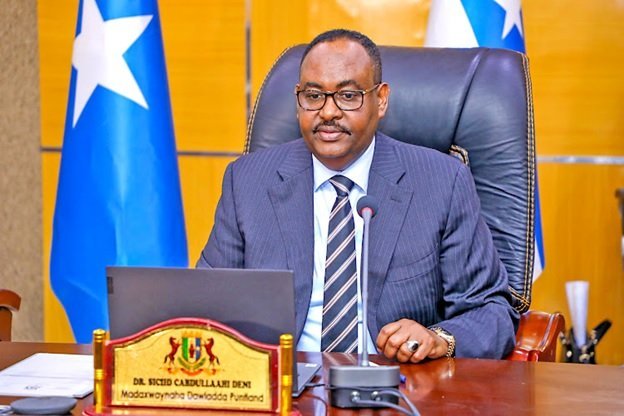
Somalia’s Defence Minister, Ahmed Moallim Fiqi, has inaugurated a Defence Board to unify security operations and advance force reform as the country moves toward assuming full security responsibilities. The board serves as a critical forum for aligning operational objectives, institutional reforms, and national-level leadership decisions to ensure an integrated defence system.
The Federal Government has also participated in the Somalia Security Sector Governance Review, focusing on strengthening governance, accountability, and institutional reform across the security apparatus, including legal frameworks, personnel and payroll management, procurement controls, and the long-term sustainability of the armed forces. The reform process includes strengthening civilian oversight, improving financial management, and enhancing the operational effectiveness of the Somali National Armed Forces.
Building a Self-Reliant Security Force
Despite the challenges, Somalia has made strides in building its military capacity. The Somali National Army showcased its growing capabilities during the 66th Independence Day celebrations, displaying significant advancements in equipment, training, and operational readiness. The Federal Government has secured substantial military assistance from key international allies including Türkiye, Egypt, and Serbia.
The UK has handed over a modern military training facility in Baidoa, expected to play a pivotal role in enhancing the operational readiness and professionalism of the Somali National Army. The centre will enable more effective, locally led training of Somali forces in accordance with national defence objectives. Qatar has also been at the forefront of providing advanced training to Somali troops, with 600 soldiers recently returning from an extended training program in Doha.
AUSSOM’s presence is set to be limited to Somalia’s airports and seaports under the transition plan, marking a significant shift as Somali forces take on greater responsibility for ground operations and internal security.
Way Forward
Macallin’s warning reflects a broader consensus among security analysts and international partners: Somalia must accelerate its path toward security self-reliance. The country’s future stability depends not only on military operations but also on the strength of its security institutions, the integrity of its systems, and the accountability of its forces.
As the international community continues to provide support amid louder demands for accountability and long-term results, the Somali government faces a critical test. The success of the transition will depend on sustained investment, meaningful reform, and a commitment to building professional, accountable, and sustainable security institutions capable of safeguarding the nation. Macallin’s words serve as a stark reminder: without urgent action, Somalia’s hard-won gains could be undone by the very instability the country has fought for decades to overcome.
Recommended Reading On ftlsomalia.com
- Donor Fatigue Grows as $7B Security Investment in Somalia Faces Scrutiny
- UN to Close Somalia Political Office, Extend AU Mission Until 2026
- Defence Minister Inaugurates Strategic Board to Unify Security Operations and Reform
- Defence Minister Joins Security Sector Governance Review, Highlights Accountability and Institutional Reform
- UK Hands Over Military Training Facility to Somalia in Baidoa
- AUSSOM’s Presence Will Be Limited to Somalia Airports and Seaports