
MOGADISHU – Somalia’s Minister of Family and Human Rights Development, Ambassador Khadija Mohamed Al-Makhzoumi, has issued a formal statement calling on all political parties participating in the Galmudug State elections to ensure the implementation of the mandatory 30 percent women’s quota when selecting their candidates. The statement, dated August 1, 2026, was released as Galmudug is conducting for its historic one-person, one-vote elections, and it comes just days after the South West State elections saw women’s representation fall to just 17 percent, well below the legally mandated quota.
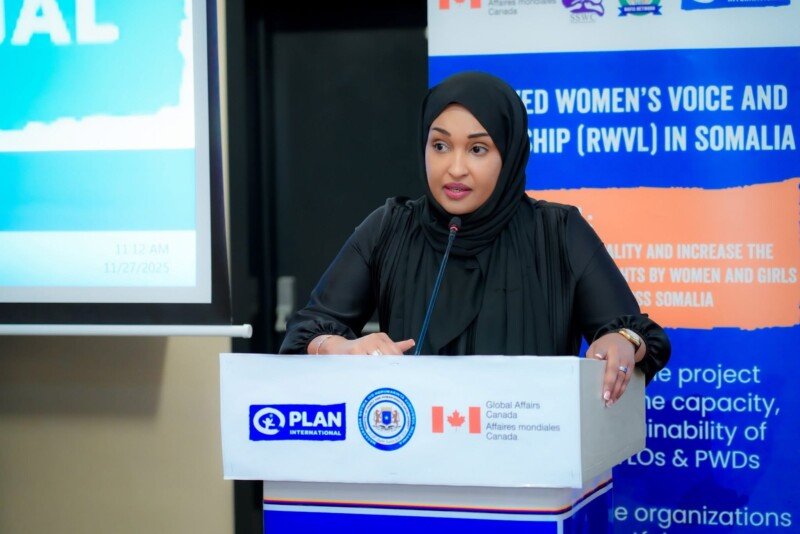
“Participation of women in politics and decision-making is a constitutional right and a national obligation,” the minister said. “The Constitution of the Federal Republic of Somalia affirms the equality of citizens and the right of women to fully participate in political affairs and national leadership.” The minister emphasized that the 30 percent quota is “a national commitment that Somalia has been working on for a long time” and “an important step toward building an inclusive government and a political system that represents all Somali society.”
A Quota That Exists on Paper
The 30 percent women’s quota has been integrated into both the Electoral Law and the Political Parties Law, a legislative milestone that has been repeatedly celebrated by the Ministry. Yet the translation of this legal commitment into electoral outcomes has been consistently disappointing. In the South West State House of Representatives, only 16 of the 92 elected lawmakers are women, approximately 17 percent of the parliament, far below the 30 percent quota. To fully meet the quota, women were expected to secure at least 28 seats, leaving a deficit of 12 seats. The Federal Elections Implementation Team had previously warned regional states against failure to implement the 30 percent women’s representation, urging delegates to respect the mandatory quota. However, the South West State results suggest those warnings were not sufficiently heeded.
The shortfall is particularly striking given that during the voter registration phase, more women registered than men. The NIEBC reported that among the 376,212 registered voters, 211,496 were women (56 percent) and 164,716 were men (44 percent). Female voters turned out in large numbers, yet their representation in the regional parliament does not reflect their participation at the polls. The Federal Government has previously faced similar challenges at the national level, where the country only elected 64 female MPs out of 245 Lower House (House of the People) seats, just 19 percent, falling far short of the 30 percent target agreed upon by leaders in recent years.
The Minister’s Statement: A Necessary Reminder
In her statement, the minister warned political parties against excluding or limiting women’s participation in a way that does not reflect their role in Somali society. “The 30% quota is not a concession to women,” she declared, “but a mechanism to ensure their constitutional right to political participation, fair representation, and the building of inclusive governance.” She called on the National Independent Electoral and Boundaries Commission and the leadership of Galmudug State to closely monitor the implementation of the women’s quota and ensure that the electoral process is inclusive and respects the principles of equality.
The statement is a necessary reminder of a commitment that has been repeatedly made and repeatedly broken. But it also raises questions about the Ministry’s own role in enforcing the quota. The Minister’s statement on Galmudug, while welcome, does not address the systemic failures that have consistently undermined the quota’s implementation. International partners have previously urged Somali leaders to deliver the much-awaited 30 percent women’s representation, meeting with Galmudug President Ahmed Abdi Kariye Qoorqoor in Dhusamareb to press the issue. Yet the gap between persists. The Minister’s appeal to Galmudug parties, while framed as a principled stand, risks being seen as a convenient gesture that does not hold her own ministry or the federal government accountable for the repeated failures to enforce the quota elsewhere.
A Crisis of Implementation
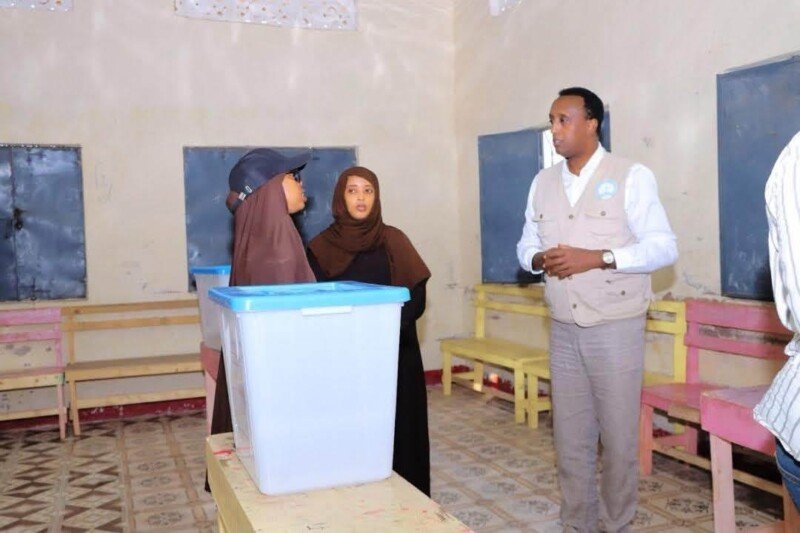
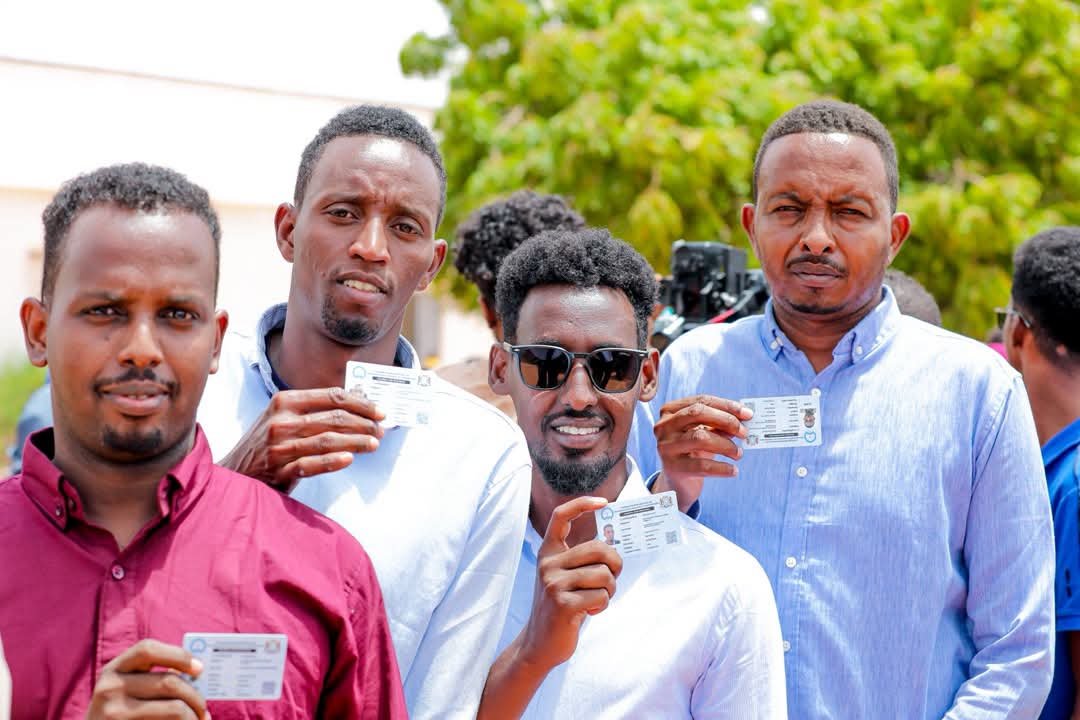
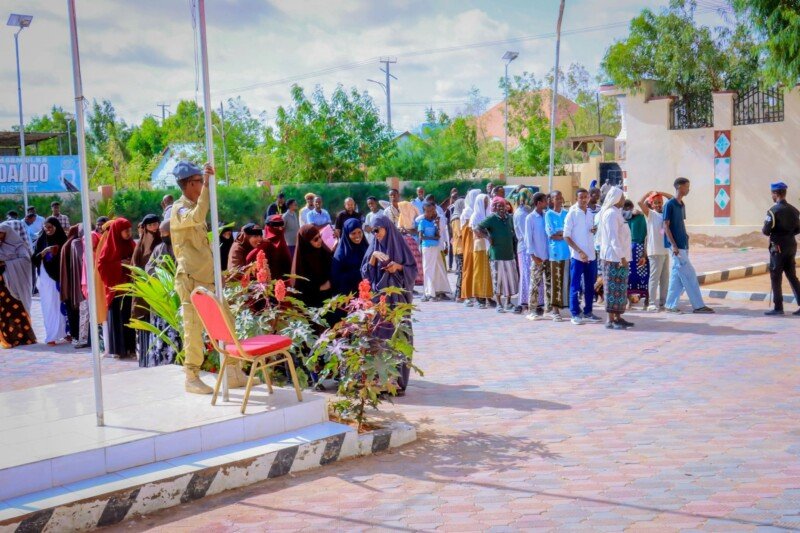
The Galmudug elections, which opened across approximately 300 polling stations in 11 districts, are a historic moment for the region, marking the first time citizens have been able to directly elect their leaders. A total of 369 candidates from 12 political organizations are contesting the 89 seats of the regional parliament, while 924 candidates from 16 political organizations are competing for 243 seats across the 11 local councils. The National Independent Electoral and Boundaries Commission has confirmed that 215,860 individuals have been successfully enrolled and issued voting cards.
Yet the elections have been marked by political tension and controversy. The NIEBC rejected calls from political parties to delay the vote, citing the need to adhere to the electoral calendar. Galmudug President Ahmed Abdi Kariye (Qoor-Qoor) withdrew from the presidential race following talks with federal officials, clearing the way for the federal government’s preferred candidate. President Hassan Sheikh Mohamud designated Liban Ahmed Hassan as the sole candidate for the ruling Justice and Solidarity Party (JSP), bypassing internal party competition and raising concerns about the independence of the electoral process.
The arrival of NISA Chief Mahad Mohamed Salad in Galmudug ahead of the vote highlighted the federal government’s heavy-handed role in shaping the electoral outcome. In a region where many voters lack access to information and candidates struggle to reach remote communities, the decision to rush the process serves the interests of well-funded candidates with federal backing, not the voters who deserve meaningful engagement.
Way Forward
Minister Al-Makhzoumi’s statement is a timely and principled intervention. It reaffirms that the 30 percent women’s quota is not a concession but a constitutional right and a national obligation. But the quota’s failure in South West State, the Ministry’s silence on that failure until now, and the federal government’s heavy-handed interference in the Galmudug electoral process all suggest that the minister’s appeal is unlikely to be heeded. Without enforcement, without accountability, and without a genuine political will to translate legal commitments into actual seats, the quota will remain what it has always been: a promise that successive governments have found convenient to make but inconvenient to keep.
Recommended Reading On ftlsomalia.com
- Southwest Parliament Women’s Representation Below 30% Quota
- Minister Convenes Women’s Groups in Baidoa to Discuss Challenges and Opportunities
- International Partners Urge Somali Leaders to Deliver 30% Women’s Representation
- NIEBC Confirms 92 MPs for South West Parliament; Women’s Representation Falls to 17%
- Galmudug Electoral Commission Rejects Calls to Delay July 25 Polls
- NISA Chief Arrives in Galmudug Amid Election Tensions