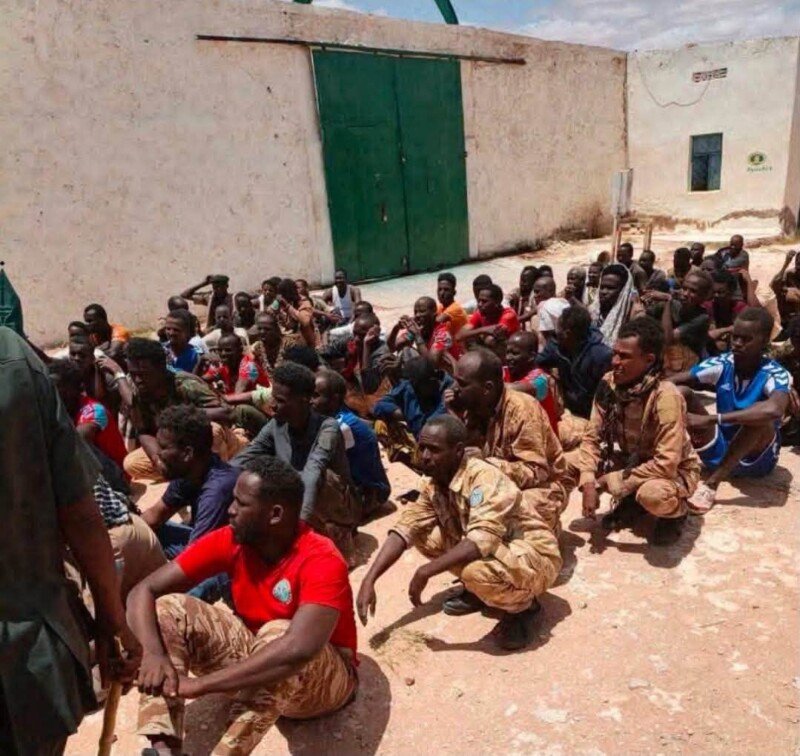

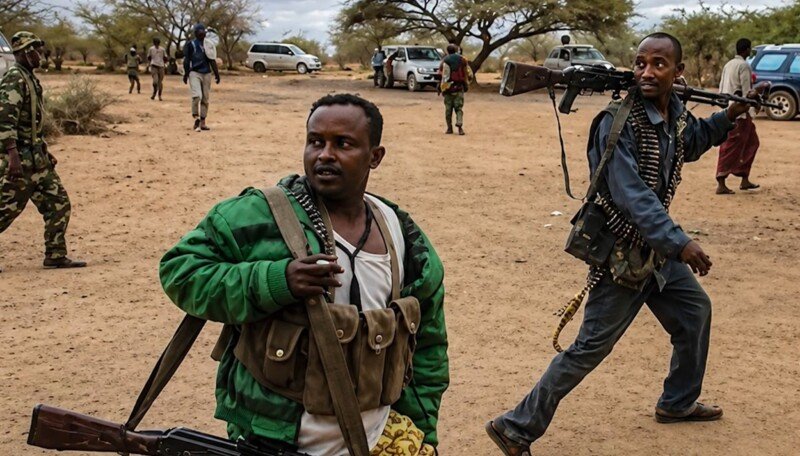
JOWHAR — At least 10 people have been killed in renewed inter-clan fighting along the border between the Hiiraan and Middle Shabelle regions, with clashes erupting in the Galcad area near Ceelbaraf, a strategically significant town on the frontlines of Somalia’s protracted conflict.
The violence, which has been ongoing for the past three days, resumed on Thursday, August 6, 2026, in the Galcad area, which lies close to Ceelbaraf, a town still under the control of Al-Shabaab militants. Sources on the ground report that the fighting has resulted in significant casualties, with at least 10 people confirmed dead, most of them combatants from both sides. The death toll is feared to be higher, with reports of additional casualties not yet accounted for.
Both sides are reportedly receiving reinforcements from Hiiraan and Middle Shabelle, raising fears that the clashes could escalate further. The situation remains volatile, with residents fleeing their homes to escape the violence.
The latest round of violence follows a pattern of recurring inter-clan conflict in the region, which has been exacerbated by weak state presence and competition over resources and political influence. Similar clashes in Jalalaqsi in June 2026 left homes burned and residents displaced, highlighting the persistent fragility of security in parts of Hiiraan.
Ceelbaraf: A Flashpoint for Clan and Insurgent Conflict
Ceelbaraf has emerged as a critical flashpoint in the region’s conflict dynamics. The town has witnessed fierce clashes between Al-Shabaab fighters and Somali National Army troops, with both sides suffering casualties. In 2025, Hawadle clan militias liberated Ceelbaraf from Al-Shabaab control, but the area remains contested and insecure.
The recent inter-clan fighting in the Galcad area threatens to undo the limited progress made in restoring stability and development in the region. Acting Speaker of the House of the People, Sadiya Yasin Haji Samatar, has previously urged an immediate halt to clan fighting in Hiiraan, warning that continued violence could undermine peace and stability. The Human Rights Commission has also condemned deadly attacks on civilians in the region, calling for accountability and an end to the violence.
Humanitarian and Political Context
The conflict in Hiiraan and Middle Shabelle has been compounded by a dire humanitarian crisis. Over 60,000 people have been displaced in Hiiraan due to intensified conflict, inter-clan disputes, and retaliatory violence, exacerbating an already fragile situation.
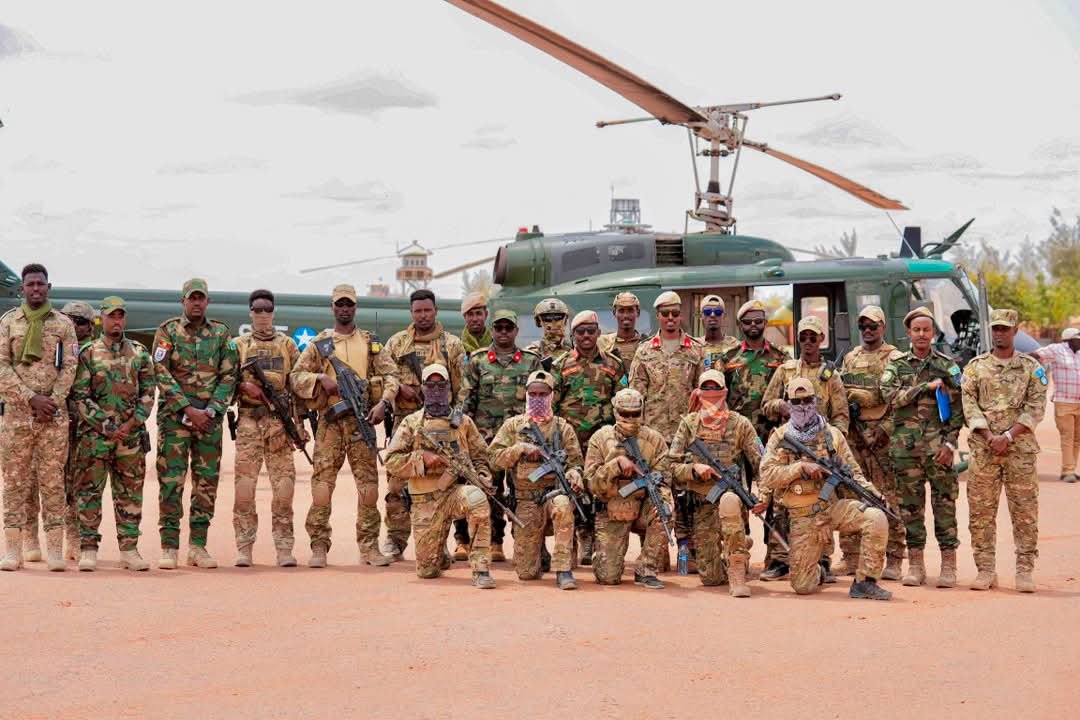
The region has also been a significant battleground in Somalia’s military campaign against Al-Shabaab. NISA and allied forces have eliminated dozens of Al-Shabaab militants in central Somalia, but the group continues to pose a significant threat, exploiting clan divisions to maintain its presence.
The latest clashes also underscore the deep-seated political tensions within HirShabelle State. Former HirShabelle President Ali Abdullahi Osoble has called for the dissolution of the state due to ongoing struggles with insecurity, poor governance, and lack of progress, a sentiment that reflects growing dissatisfaction among certain communities.
Mediation Efforts Underway
Local elders are reportedly engaged in mediation efforts to de-escalate the situation and prevent further bloodshed. However, no official statement has been issued by the HirShabelle administration regarding the latest clashes, and it remains unclear whether federal or regional forces will intervene to restore order.
The United Nations has trained 50 HirShabelle elders on clan mediation processes as part of broader efforts to promote stability and cohesion in the region by strengthening traditional conflict resolution mechanisms. However, the effectiveness of these efforts remains uncertain in the face of deeply entrenched grievances and the ongoing cycle of violence.
Critical Note
The latest clan clashes in Galcad and Ceelbaraf underscore the persistent fragility of security in Somalia’s HirShabelle region, where weak state presence, political rivalries, and competition over resources continue to fuel violence. While the Federal Government and international partners have invested significant resources in counter-terrorism operations against Al-Shabaab, the underlying drivers of inter-clan conflict remain largely unaddressed. The government’s inability to provide security and justice in rural areas has left communities vulnerable to both militant groups and clan militias, perpetuating a cycle of violence that undermines state-building efforts. The displacement of over 60,000 people in Hiiraan and the destruction of homes in Jalalaqsi are stark reminders of the human cost of this neglect. Without a comprehensive approach that combines security, governance, and reconciliation, the gains made against Al-Shabaab risk being undone by internal conflicts that the state is ill-equipped to manage. The international community, while focused on counter-terrorism, must also support local mediation efforts and press for inclusive governance reforms that address the root causes of clan violence. The HirShabelle administration, for its part, must demonstrate a commitment to accountability and justice, ensuring that perpetrators of violence are held responsible and that communities have a stake in the peace process.