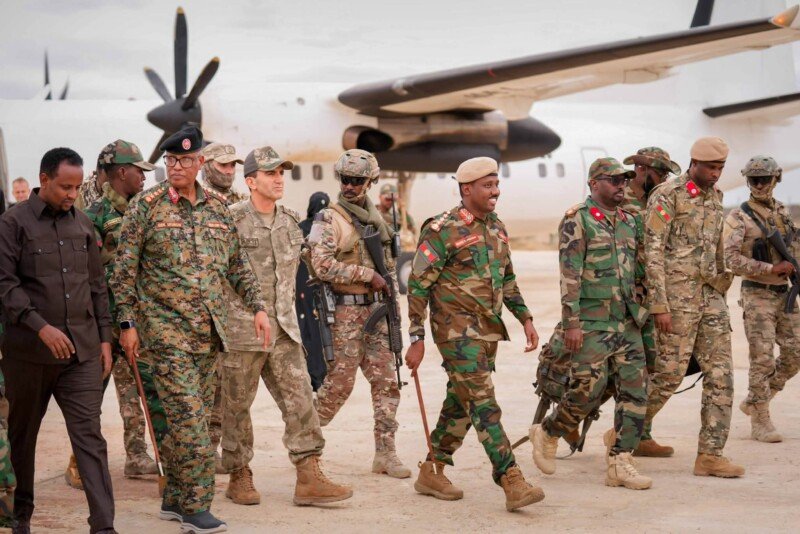

LUUQ, Somalia — Somali federal authorities have deployed a unit of elite “Gorgor” commandos to Luuq district in the Gedo region on Sunday, substantially increasing the government’s military presence in this strategic area where federal and Jubaland authorities have long vied for control .
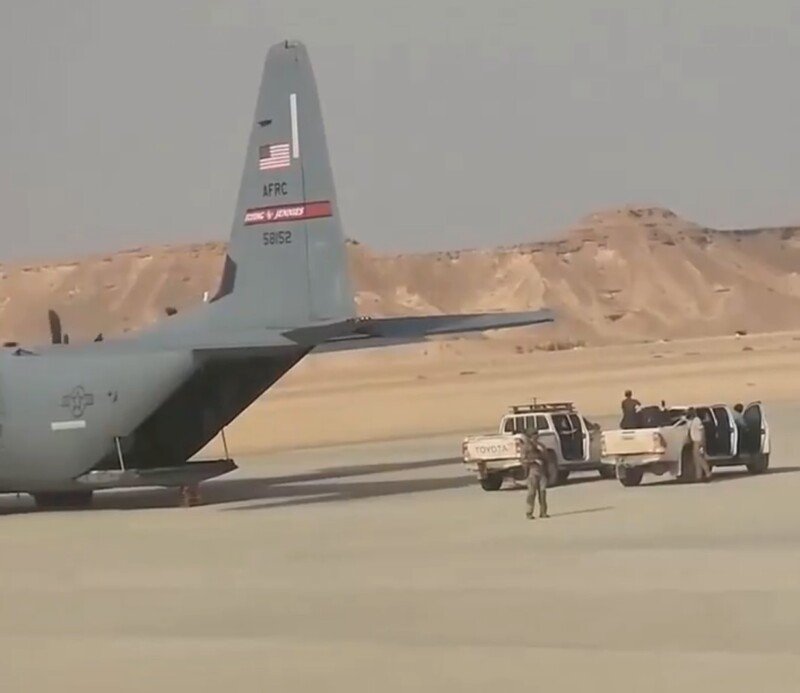
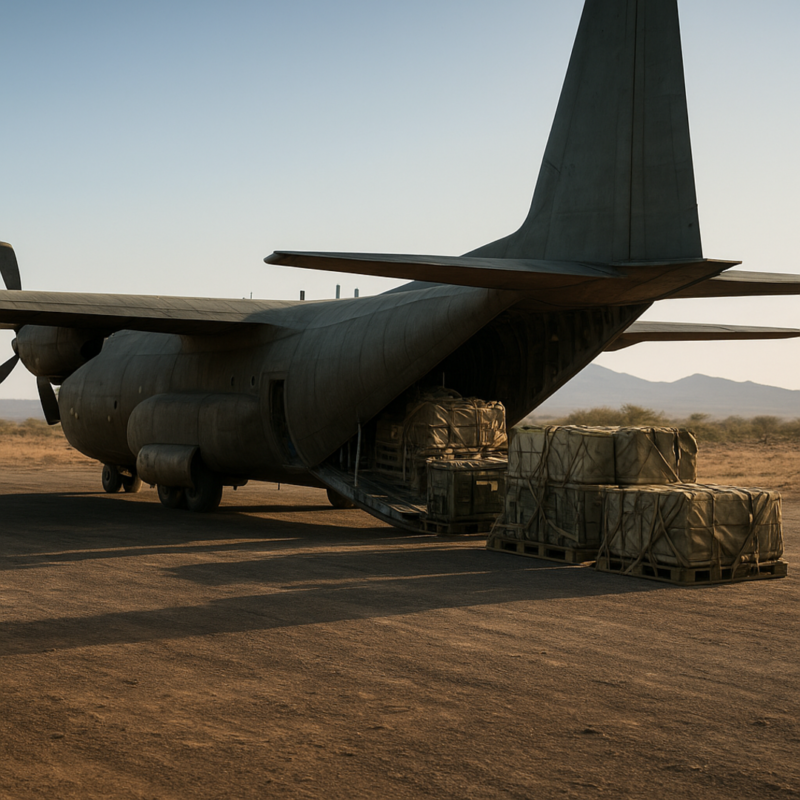
Security sources confirmed that the first plane carrying these specialized forces, trained by Turkish instructors, arrived in Luuq during the morning, with more flights planned to increase troop numbers in the following days . This deployment follows the arrival of other military units earlier this week, signaling a concerted effort by Mogadishu to tighten its grip on the Gedo region .
Strategic Significance and Political Friction
Gedo has long been a focal point of both security operations and political friction. While the federal administration maintains control over the majority of the province, the districts of El Wak and Doolow remain outside its primary administrative reach under unique local arrangements . The border town of Doolow, in particular, has witnessed violent confrontations between federal and Jubaland forces in the past, including clashes that resulted in casualties .
The new deployment follows the federal government’s pattern of asserting authority in the Gedo region, which borders Ethiopia and Kenya. Military analysts suggest the increased footprint in Luuq is intended to secure strategic corridors in the border region, though the political implications of using the elite units in contested administrative zones continue to spark debate in the capital .
Jubaland Prepares Major Operations
The federal deployment comes as Jubaland forces in Gedo announced preparations for major security operations of their own. The commander of Jubaland’s Darawiish forces in the region, General Abbas Adan Gurey, addressed army units during an inspection in Doolow on Saturday, stating that major military operations against armed groups threatening security would begin soon .
Speaking to the troops, Gen. Gurey said the planned operations would target what he described as “groups opposed to peace,” with the aim of restoring security and ensuring stability for communities living across Gedo region . He stressed that Jubaland’s Darawiish forces remain committed to protecting civilians and maintaining law and order, urging soldiers to strengthen their efforts in safeguarding public security .
The commander also accused groups allegedly organized from Mogadishu of causing insecurity and hardship for residents in the border town of Balad Hawo, calling for urgent action to address the situation .
Gorgor Forces: Somalia’s Elite Commandos
The Gorgor Battalion has become one of Somalia’s most respected fighting units, known for its discipline, mobility, and front-line engagement against militant groups . In October 2025, a new cohort of elite troops graduated from the TurkSom Military Academy in Mogadishu, with Deputy Prime Minister Jibril Abdirashid Haji presiding over the ceremony. “These soldiers are not only guardians of our security but symbols of Somali unity. Their dedication represents a decisive step toward building a resilient, professional and capable national army,” he said .
The Gorgor forces have conducted live combat displays showcasing their advanced military capabilities before senior officials and international partners at the TURKSOM military academy, featuring tactical maneuvers, precision rifle exercises, and reconnaissance techniques that underscore the unit’s growing professionalism. Turkish trainers present at the display reaffirmed their commitment to supporting Somalia’s security institutions and expanding the capabilities of the Gorgor forces .
Turkey has been a central partner in revamping Somalia’s military infrastructure, training thousands of soldiers and equipping units deployed across key regions . The Turkish Ministry of Defence has released footage showcasing its continued support for Somalia’s security forces, featuring military instructors conducting specialized training for members of the elite Gorgor unit in Mogadishu, with training programs designed to equip Somalia’s most capable units with skills in infantry maneuvers, urban warfare, and counter-terrorism operations .
Opposition Complaints to Turkey
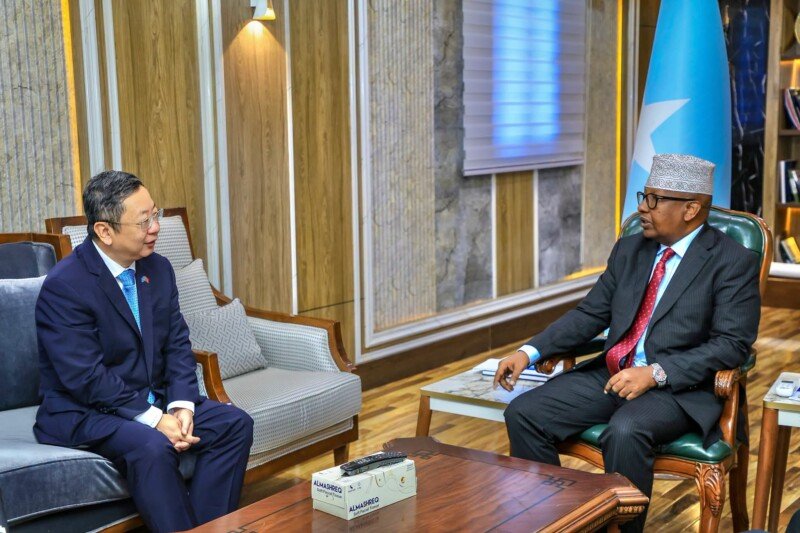
This action occurs amid increased regional tensions. Opposition figures recently submitted a formal complaint to the Turkish ambassador, accusing Ankara of interfering in Somalia’s internal political affairs through its military support and training programs for federal forces .
Opposition leaders held a closed-door meeting with Turkey’s ambassador to Somalia at the residence of former President Sharif Sheikh Ahmed in Mogadishu, where participants engaged in what were characterized as “intense discussions,” presenting concerns over the role of international partners amid a deepening political standoff in the Horn of Africa nation . The talks came as opposition groups convened a series of meetings in the capital aimed at coordinating their stance against President Hassan Sheikh Mohamud, whose constitutional term they say is due to expire on May 15 .
Turkey, a key ally of Somalia with significant investments in security, infrastructure, and humanitarian aid, has not publicly commented on the meeting .
Background of Gedo Conflict
The deployment of Gorgor commandos to Luuq is the latest chapter in a protracted struggle between Mogadishu and Kismayo over control of the Gedo region. Tensions between federal and regional forces have previously erupted into deadly confrontations, with the federal government waging an onslaught against the regional administration of Jubaland, with clashes that initially started in Raskamboni and El-Wak spilling over to Beled-Hawo and Doolow .
President Hassan Sheikh Mohamud is keen to control Gedo with the long-term strategy being imposing voter registration ahead of direct elections scheduled for 2026, a move that Jubaland leader Ahmed Islam Mohamed Madobe has opposed .
Traditional Leaders Accuse Federal Government of Division
The federal government’s approach in Gedo has drawn criticism from local traditional leaders. A prominent elder from Doolow accused Mogadishu of fostering division and inflaming local tensions, alleging that the government is directly contributing to the escalation of intercommunal conflict in the region . “Instead of promoting reconciliation, the government is stoking the flames of conflict. It should act as a neutral arbiter, not a partisan player,” the elder stated .
Gedo is situated at the intersection of Somalia, Kenya, and Ethiopia, holding significant strategic importance for regional trade and security. It has become a flashpoint in Somalia’s wider federalism debate, with local leaders continuing to urge inclusive dialogue and a peaceful resolution to the protracted dispute .
Outlook
While the government maintains the deployment is aimed at stabilizing the area and enhancing general security, it has drawn sharp criticism from political rivals who view it as an escalation in the long-running dispute between Mogadishu and Kismayo over the administration of Gedo . The political ramifications of deploying these elite forces in disputed administrative areas continue to stir discussion in the capital as Somalia approaches its critical May 15 political deadline .
The Ethiopian government, which maintains a military presence in parts of Gedo, has not commented on the latest deployment. Somalia and Ethiopia have previously clashed over border security incidents in the region, including accusations of unprovoked attacks on Somali government forces .
As both federal and Jubaland forces increase their military postures, residents of Gedo remain caught in the middle of a political power struggle that has repeatedly disrupted security and humanitarian access in one of Somalia’s most strategically significant regions .