
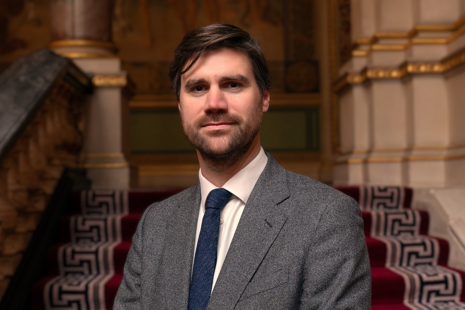
MOGADISHU – The British Ambassador to Somalia, Charles King, has described his diplomatic posting in Mogadishu as among the world’s most perilous, citing persistent security threats and restrictive working conditions. In a recent account, King depicted how the typical morning alarm is frequently interrupted by the sound of fighter jets overhead, with embassy operations requiring strict security measures including the regular use of armored vehicles and protective equipment for travel throughout the city.
The British Embassy in Mogadishu resumed operations in 2013, positioning the United Kingdom among the first Western countries to restore a permanent diplomatic mission after years of conflict. Currently, the mission manages a wide array of responsibilities that include national security, counter-terrorism efforts, humanitarian assistance, and international development programs.
Ambassador King, who presented his credentials to Somalia’s Foreign Minister in May 2025 and later to President Hassan Sheikh Mohamud at State House, stressed that the United Kingdom collaborates closely with the Federal Government of Somalia, the African Union Support and Stabilization Mission in Somalia (AUSSOM), and the United Nations. These cooperative efforts concentrate on eliminating threats from extremist organizations such as Al-Shabab and ISIS, reducing maritime piracy, and delivering vital assistance to the Somali population.
‘Precarious Progress’ and Security Challenges
While acknowledging considerable progress in regional stability, King warned that these improvements are still tenuous and require ongoing international dedication and perpetual alertness. Despite the persistent security challenges, the Ambassador emphasized that conventional diplomatic activities persist behind fortified barriers. He referenced the embassy’s hosting of a Burns Night celebration, a Scottish annual tradition commemorating poet Robert Burns, which was attended by members of the diplomatic community as an emblem of endurance and ongoing engagement.
The ambassador’s remarks highlight a fundamental paradox in international involvement with Somalia: continued diplomatic representation amidst extreme insecurity. Characterizing Mogadishu as one of the most hazardous diplomatic assignments raises questions about effectiveness when movement, access, and engagement face severe limitations.
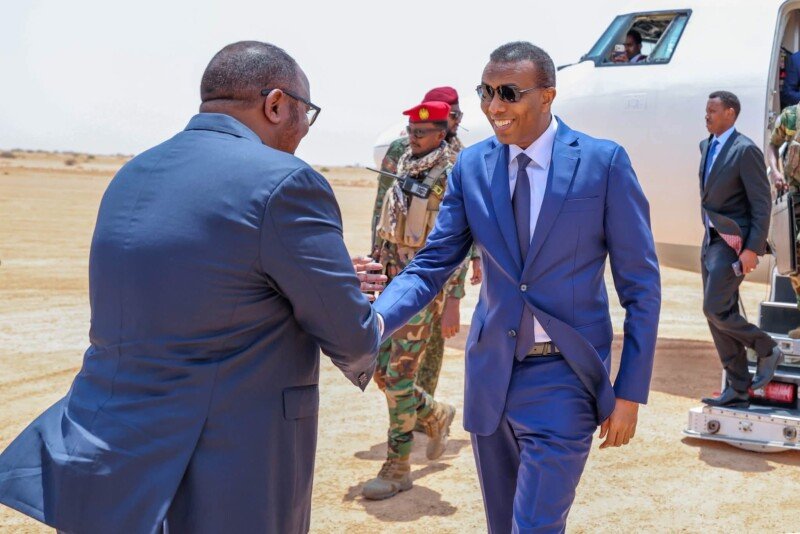
The UK and Somalia have reaffirmed their defence ties in high-level meetings, with discussions focusing on strengthening bilateral security cooperation, enhancing Somali defence capabilities, and supporting efforts to combat terrorism. At a meeting hosted by Defence Minister Ahmed Moallim Fiqi, Ambassador King marked his first official engagement with Somalia’s defence leadership, with both parties reiterating their joint commitment to accelerating defence reforms and ensuring the effective transition of security responsibilities under AUSSOM.
Somalia has emerged as a central pillar in the United Kingdom’s revised defense strategy, as the British government intensifies its focus on regional partnerships to counter ongoing threats from terrorism and insurgency. The updated Strategic Defence Review outlines plans to deepen security cooperation with African nations, with the policy aiming to boost counter-terrorism collaboration, enhance peacekeeping missions, and strengthen local military and governance capacity.
UK-Somalia Security Partnership
The UK’s security partnership with Somalia has deepened across multiple sectors. In a significant milestone, the UK handed over a newly constructed military training facility in Baidoa, which is expected to enhance the operational readiness and professionalism of the Somali National Army. Speaking at the handover ceremony, Ambassador King stated that “stability in Somalia is critical for the wider Horn of Africa and global security.”
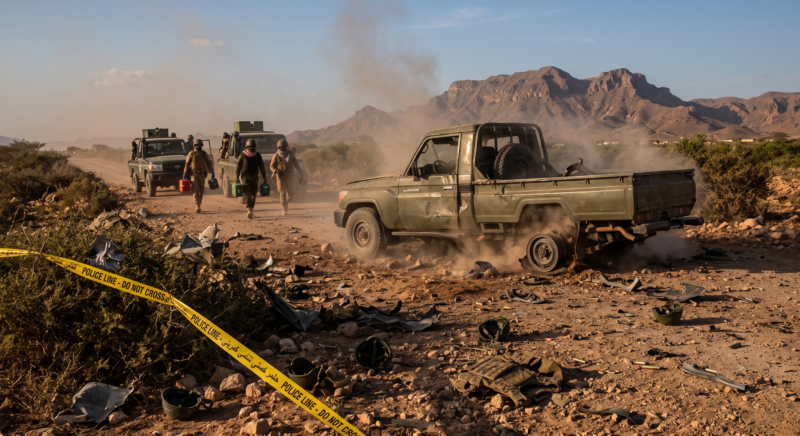
The United Kingdom also donated modern counter-IED vehicles to the Somali National Army to enhance its capacity to counter improvised explosive devices, which remain one of the deadliest tactics used by Al-Shabab militants. Defence Minister Fiqi praised the UK for its continued partnership, noting that the equipment would directly strengthen ongoing military operations.
Somalia recently celebrated a decade of security reform with UK support at the closing event of the “Strengthening Somali National Security Architecture” program. Minister Fiqi formally conveyed gratitude to the United Kingdom for its continuous, decade-long assistance in progressing Somalia’s defense and security institutions.
Broader Diplomatic Engagement
Beyond defense cooperation, Ambassador King has engaged Somali civil society and regional administrations. He made his first official visit to Garowe, the capital of Puntland State, to discuss political dialogue, stabilization efforts, and the fight against terrorism. During the visit, King met with Puntland President Said Abdullahi Deni, emphasizing the importance of strong partnerships with regional administrations.
The British Ambassador also commended the resilience of Somali journalists, underlining the United Kingdom’s continued commitment to safeguarding media freedom and free expression. Speaking during a media interview in Mogadishu, King stressed that a vibrant and independent press remains central to Somalia’s democratic journey.
The UK has also supported Chevening scholarships for Somali leaders, enabling over 100 Somalis to join the programme’s international network of leaders, innovators, and change-makers since its inception. “The achievements of Chevening alumni in Somalia are a testament to the power of partnerships,” King said.
Implications and Outlook
King’s characterization of Mogadishu as among the world’s most dangerous postings carries signaling implications. By highlighting threats posed by Al-Shabab, such comments reinforce perceptions of Somalia as a high-risk location, potentially discouraging investment and impeding economic advancement. Simultaneously, they validate continued international security engagement, possibly extending dependence on external forces rather than fostering greater self-reliance.
For Somalia’s Federal Government, these observations present a dual challenge: they acknowledge persistent security concerns but may diminish perceptions of governmental authority and advancement, potentially undermining domestic public trust and complicating endeavors to establish full sovereignty.
Ultimately, the disparity between ‘precarious progress’ and enduring threats indicates that current achievements may lack structural resilience. Should international partners reduce their commitment or reorient their priorities, Somalia might experience reversals, revealing how present stability continues to rely on external assistance rather than robust domestic institutions.
King concluded that the British presence in Somalia remains essential for the shared interests of both countries and the broader international community. Addressing the nation’s distinctive challenges and establishing profound local connections continue to form the foundation of the United Kingdom’s diplomatic objectives. The UK maintains that its involvement is part of wider international initiatives to aid Somalia’s recovery, despite the risks and limitations inherent in operating one of the world’s most hazardous diplomatic missions.