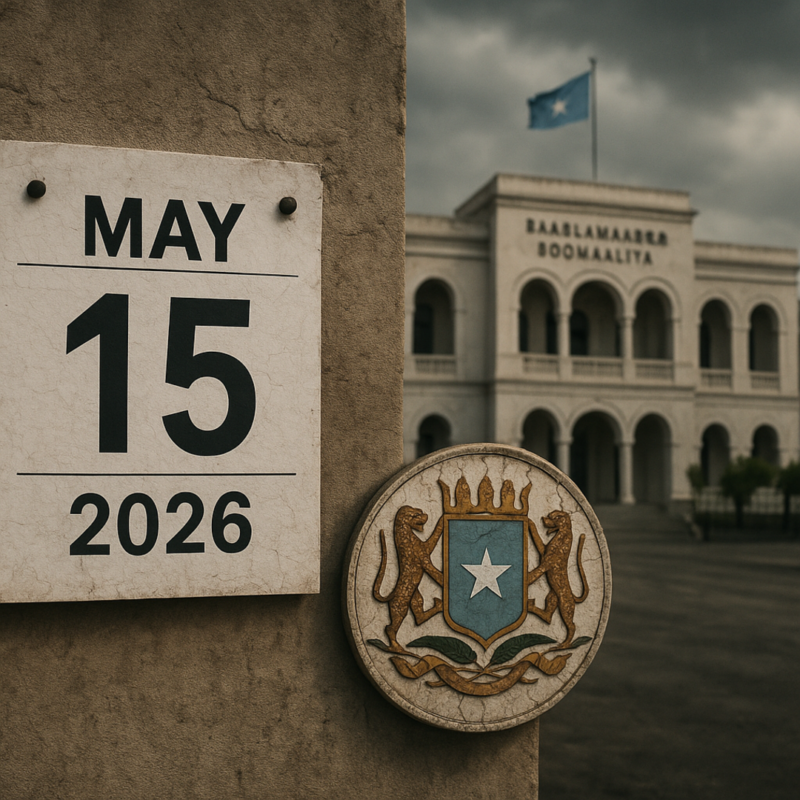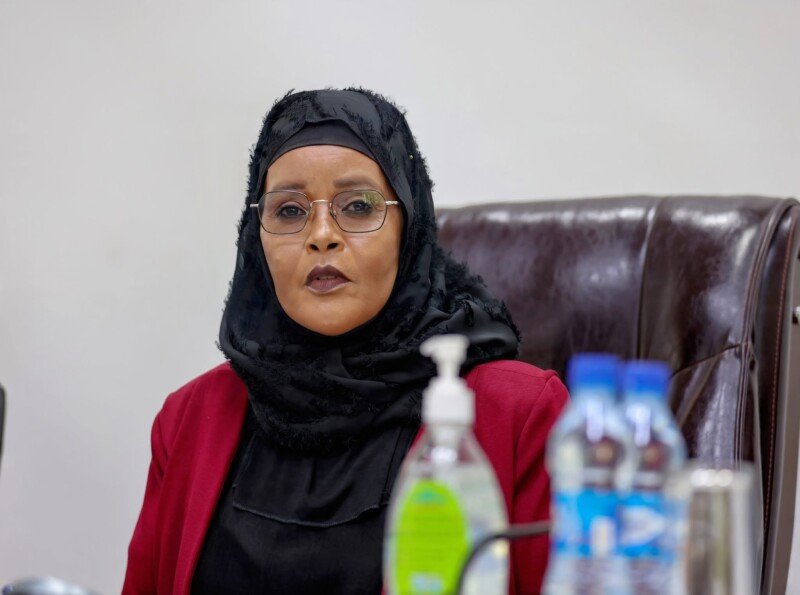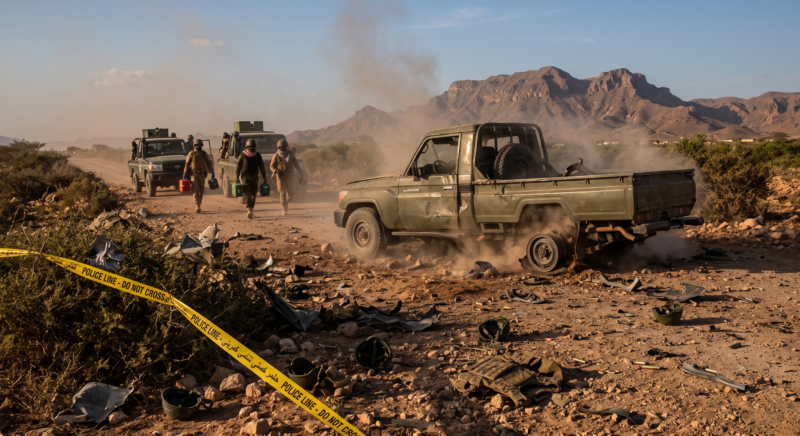

Mogadishu – Opposition leaders in Somalia have declared that President Hassan Sheikh Mohamud will lose his legal authority after May 15, 2026, unless national elections are conducted or a constitutional alternative is agreed upon. Through multiple statements, opposition figures have argued that the president’s constitutional term concludes on that specific date. Without a completed electoral process or a legally approved extension, they maintain, the head of state would no longer possess a valid mandate and should be considered an ordinary citizen. These remarks emerge amid escalating disagreements regarding the timing and format of Somalia’s upcoming elections. Opposition members accuse the federal government of failing to arrange timely and credible elections and caution that any unilateral term extension could provoke political instability and conflict. The Federal Government of Somalia has not directly responded to these latest statements. Nevertheless, officials have previously affirmed their commitment to transitioning to a one-person, one-vote electoral system, while acknowledging persistent security and logistical obstacles. Political analysts warn that the growing divide between government and opposition threatens to destabilize the country if a consensus on the electoral process is not achieved promptly. International observers are carefully monitoring the situation, having repeatedly called on Somali leaders to follow constitutional principles and refrain from actions that might heighten tensions. Failure to resolve this dispute could lead the nation into a phase of political uncertainty, with possible repercussions for security, economic recovery, and state-building initiatives. The opposition is leveraging the May 15 deadline to question the legitimacy of President Hassan Sheikh Mohamud, asserting his authority concludes without elections or a constitutional extension. This approach pressures the Federal Government of Somalia while simultaneously raising the specter of a legitimacy crisis. The fundamental concern extends beyond timing to whether all parties can concur on electoral procedures. Should no compromise materialize, Somalia risks confronting political instability, characterized by competing claims to authority and potential security ramifications.