
MOGADISHU — Humanitarian agencies and the Federal Government of Somalia are scaling up preparedness efforts ahead of the anticipated El Niño rains expected between October and December 2026, with forecasts indicating a high probability that the weather phenomenon will persist throughout the season, increasing the risk of widespread flooding across the country.
In a briefing released on Thursday, August 6, the UN Office for the Coordination of Humanitarian Affairs (OCHA) reported that building on lessons from 2023, when floods and drought displaced 2.3 million people and affected millions more, the government and humanitarian partners are supporting contingency planning, risk analysis, and coordination at national and state levels to strengthen readiness for potential flooding and displacement.
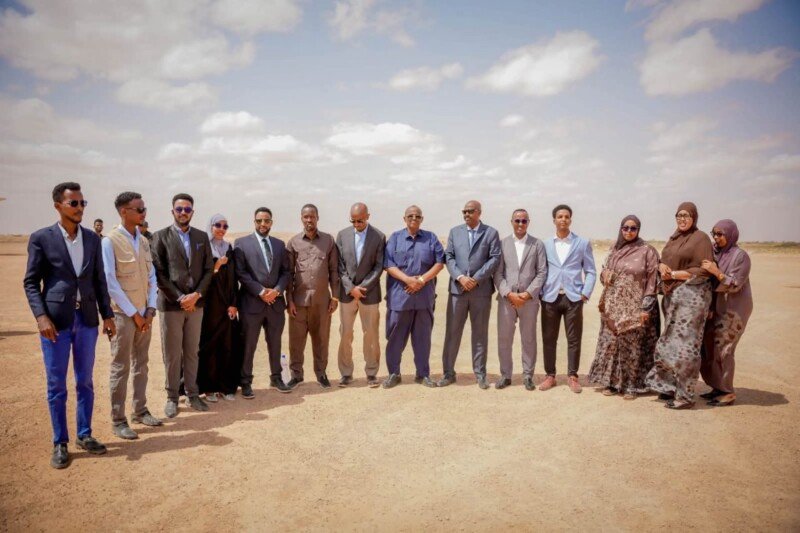
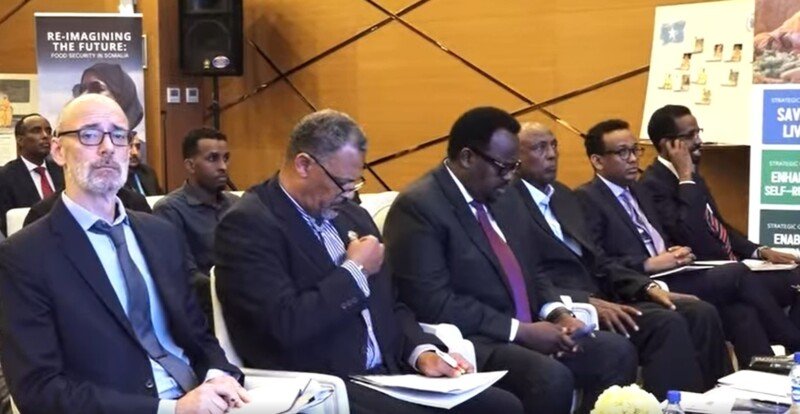
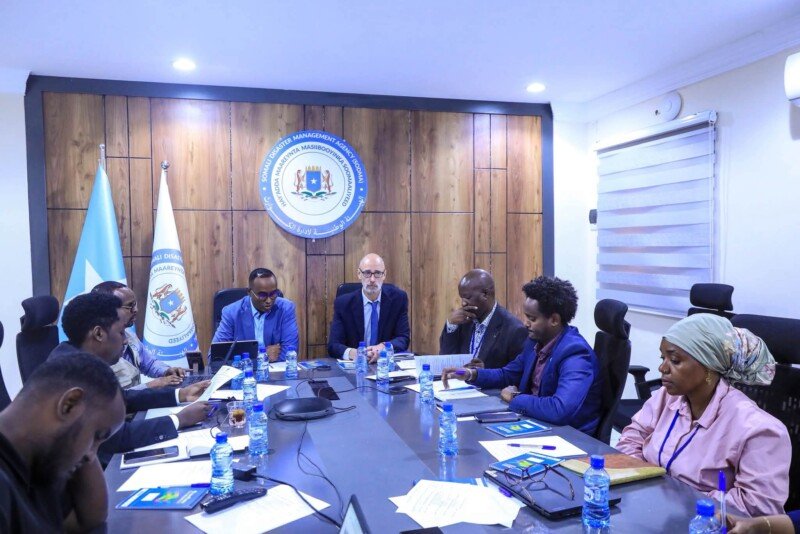
SoDMA and the UN have bolstered joint efforts to confront the escalating climate crisis, with Commissioner Mahamuud Moallim Abdulle and UN Deputy Envoy George Conway co-chairing strategy sessions to reinforce the country’s response to the climate emergency and assess the drought’s current path and its harsh effects on at-risk populations.
A Nation in Crisis: 6.5 Million Face Acute Hunger
These preparedness efforts come as Somalia continues to grapple with successive droughts, floods, conflict, and shrinking humanitarian funding. Today, 6.5 million people, nearly one third of the population, face high levels of acute food insecurity (IPC Phase 3 or above), with one district in the South, Buurhakaba, at risk of famine. Some 1.9 million children suffer from acute malnutrition, including nearly 500,000 facing severe acute malnutrition.
Humanitarian assistance remains a lifeline for millions of people, but funding shortfalls have forced partners to scale back life-saving services even as needs remain exceptionally high. More than halfway through the year, this year’s $852 million Humanitarian Needs and Response Plan is only one third funded.
The ripple effects of the conflict in the Middle East are also impacting the humanitarian situation, with food prices surging by up to 20 per cent.
Somalia’s Planning Minister has held talks with the WFP team to boost food security and resilience, focusing on harmonizing WFP’s Country Strategic Plan with the government’s National Transformation Plan, reinforcing national systems, and increasing resource mobilization during a period of declining global assistance.
Super El Niño Preparedness: Learning from 2023
The lessons from 2023, when El Niño floods and drought displaced 2.3 million people, have shaped the current preparedness efforts. SoDMA and health partners have been coordinating the El Niño response as the government struggles to move from rhetoric to resilience, holding a series of consultations to accelerate preparedness and strengthen coordination with relevant stakeholders to mitigate the risks.
The Cabinet has endorsed a national El Niño preparedness plan as the country faces the threat of severe flooding, displacement, and disruption to agriculture and food security. Prime Minister Hamza Abdi Barre has visited SoDMA headquarters to review El Niño preparedness, receiving briefings on measures already in place to prepare for the anticipated rainfall.
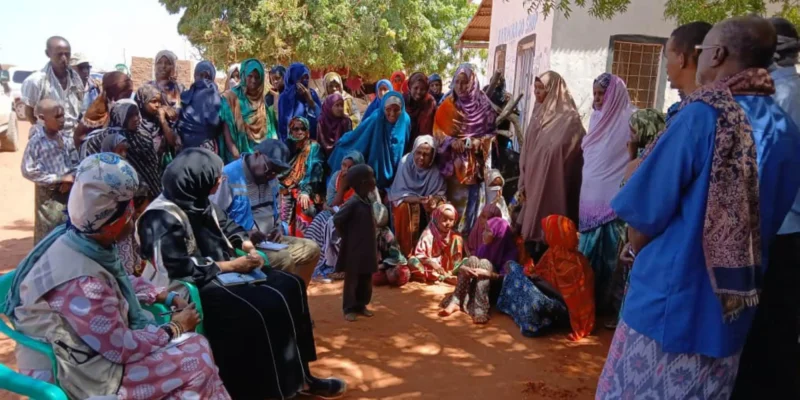
A joint assessment team led by SoDMA Commissioner Abdulle and including Conway has visited Kismayo to examine the consequences of the persistent drought and assess living conditions in internally displaced persons settlements near the city.
OCHA is supporting contingency planning, risk analysis and coordination at national and state levels to strengthen readiness for potential flooding and displacement. The agency has emphasized the importance of early warning systems and pre-positioning of supplies to mitigate the impact of the expected flooding.
Humanitarian Funding Shortfall and Middle East Impact
The humanitarian situation is further complicated by a severe funding shortfall. This year’s $852 million Humanitarian Needs and Response Plan is only one third funded, forcing partners to scale back life-saving services even as needs remain exceptionally high. The funding gap has affected food assistance, nutrition programmes, and water and sanitation services across the country.
The ripple effects of the conflict in the Middle East are also impacting the humanitarian situation, with food prices surging by up to 20 per cent. This price increase has further eroded the purchasing power of vulnerable households, exacerbating food insecurity and malnutrition.
SoDMA and the UN have bolstered joint efforts to confront the escalating drought emergency, but the scale of the crisis demands a sustained international response.
Critical Note
While the government and humanitarian partners are scaling up preparedness for the anticipated El Niño floods, the scale of the crisis demands a sustained and well-funded international response. The $852 million Humanitarian Needs and Response Plan being only one third funded is a stark indicator of the gap between needs and resources. The government’s ability to coordinate effectively with international partners and ensure that aid reaches those most in need will be a critical test of its disaster management capacity. Furthermore, the planned preparedness measures must be accompanied by transparent reporting and accountability mechanisms to ensure that resources are used effectively. The impact of the Middle East conflict on food prices underscores the interconnected nature of global crises and the vulnerability of Somalia to external shocks. The international community must step up its financial commitments to prevent a humanitarian catastrophe, while the Somali government must demonstrate that it is using existing resources effectively and addressing the underlying drivers of vulnerability, including conflict, displacement, and climate change. Without such measures, the cycle of crisis and response will continue, with the Somali people bearing the heaviest burden.
Recommended Reading On ftlsomalia.com
- SoDMA and UN Bolster Joint Efforts Against Escalating Drought Emergency
- SoDMA and Health Partners Coordinate El Niño Response
- Cabinet Endorses National El Niño Preparedness Plan
- Drought Assessment Team Reaches Kismayo to Evaluate Crisis
- Somalia’s Planning Minister Holds Talks with WFP Team
- SoDMA Chief Discusses Humanitarian Situation with Conway and Rukasha