
LAASCAANOOD — The Commissioner of the Somali Disaster Management Agency (SoDMA), Mahamuud Moallim Abdulle, has arrived in Laascaanood, the administrative capital of the North Eastern State, to bolster humanitarian response efforts and oversee the launch of a new drought relief programme targeting vulnerable families across the region.
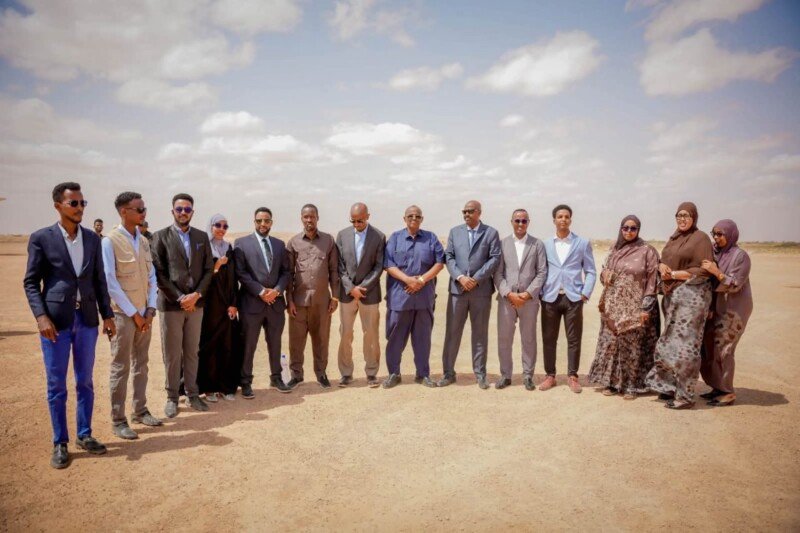
The Commissioner was received at the airport by senior officials from the North Eastern State administration, including ministers, members of parliament, and the Mayor of Laascaanood. The visit is part of SoDMA’s ongoing efforts to provide effective services to communities affected by various challenges, particularly the severe drought that has displaced over 280,000 people across Somalia since February 2026.
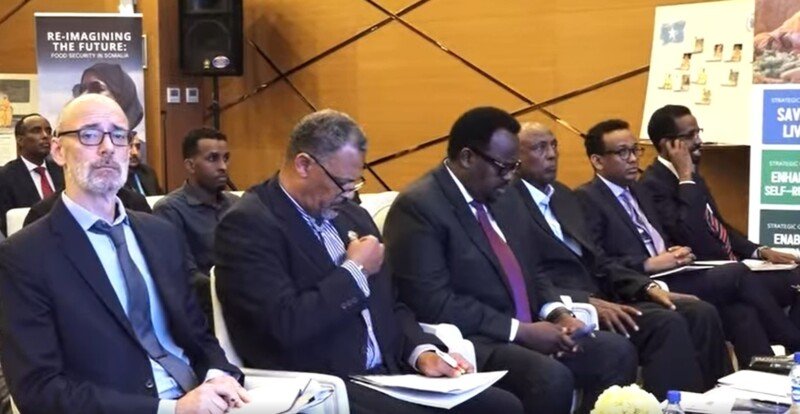
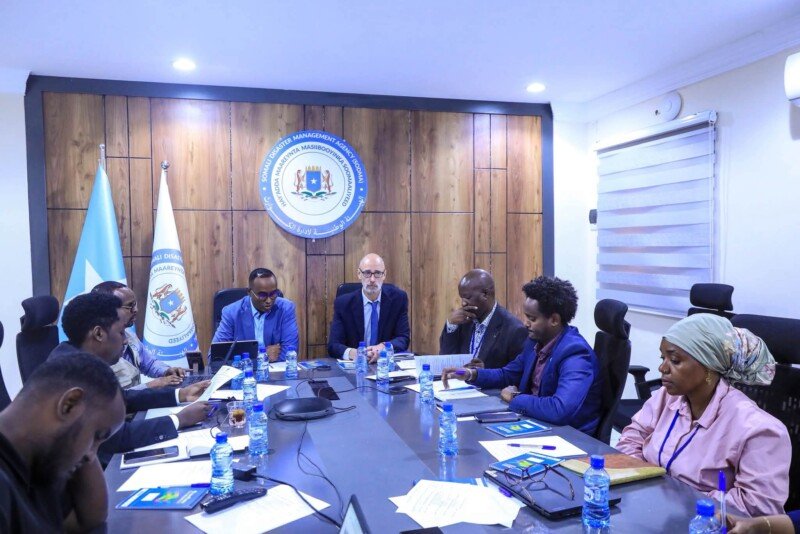
SoDMA has been coordinating with UN partners on drought response and El Niño preparedness, with Commissioner Abdulle and UN Deputy Envoy George Conway co-chairing strategy sessions to reinforce the country’s response to the climate crisis.
Launch of Drought Relief Programme
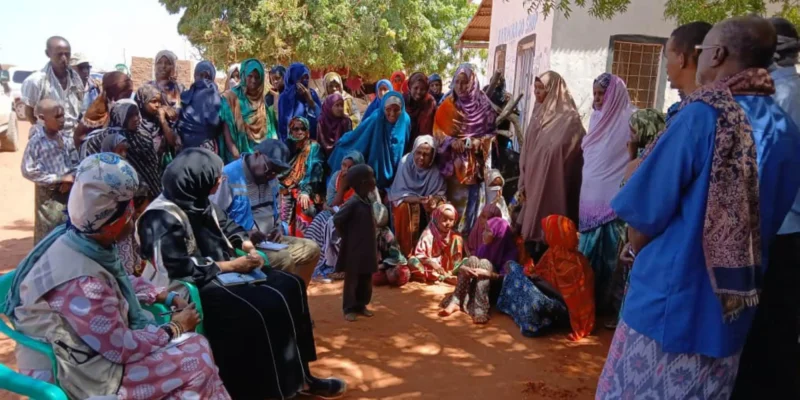
During his stay in Laascaanood, Commissioner Abdulle is expected to officially launch a humanitarian assistance programme that is part of the agency’s response to the ongoing drought emergency. The initiative will target vulnerable families in districts across the North Eastern State, providing food aid and other essential supplies to communities hardest hit by the prolonged dry spell.
North Eastern State, like much of Somalia, continues to face a severe drought that has displaced over 280,000 people since February 2026, including 11,000 in just one week in July. The crisis has been compounded by funding shortfalls, with humanitarian partners seeking US$852 million to assist 2.4 million of the most vulnerable people in 2026. The overall number of people in need is estimated at 4.8 million, a reduction of 20 percent compared to 2025 that reflects stricter needs definitions rather than improved conditions.
SoDMA has previously delivered critical aid to the North Eastern State region, with shipments of essential supplies received at Bosaso Seaport before continuing to Laascaanood. Commissioner Abdulle has highlighted the agency’s commitment to mitigating the impacts of climate-induced crises and increasing the reach of humanitarian assistance throughout Somalia.
Context of the Visit
The Commissioner’s visit to Laascaanood comes at a critical moment for the region. Prime Minister Hamza Abdi Barre arrived in Laascaanood on August 2 to take part in celebrations marking the first anniversary of the establishment of the North Eastern State administration and to oversee the launch of government development and public service initiatives in the region.
The Prime Minister’s visit drew strong condemnation from Somaliland, which has described the visit to Las Anod as a “clear provocation” and a violation of its claimed territorial sovereignty. Tensions between Mogadishu and Hargeisa have remained high since the establishment of the North Eastern State administration, which Somaliland views as an encroachment on its territory.
The Prime Minister’s arrival in Laascaanood on August 2 marked the beginning of a series of high-level engagements in the region, including the launch of development projects and public service initiatives.
Regional Humanitarian Challenges
North Eastern State, which declared itself a federal member state in August 2025, has faced significant humanitarian challenges, including drought, displacement, and food insecurity. The region’s population has been affected by successive climate shocks, with La Niña and El Niño weather patterns exacerbating existing vulnerabilities.
SoDMA has been at the forefront of coordinating humanitarian responses across Somalia, working with federal and regional authorities, UN agencies, and international partners to deliver life-saving assistance to affected communities. SoDMA and the UN have bolstered joint efforts against the escalating drought emergency, with Commissioner Abdulle and UN officials co-chairing strategy sessions to reinforce the country’s response to the climate crisis.
The agency has been holding consultations with health partners to accelerate preparedness for the anticipated Super El Niño, which is expected to bring heavy rains and potential flooding later this year, further complicating an already fragile humanitarian situation.
Critical Note
While Commissioner Abdulle’s visit to Laascaanood and the launch of the drought relief programme represent a welcome commitment to addressing the humanitarian crisis in the North Eastern State, the effectiveness of these efforts will ultimately depend on sustained funding and coordination. The $852 million Humanitarian Needs and Response Plan being only one third funded is a stark indicator of the gap between needs and resources. The agency’s ability to reach the most vulnerable communities, particularly those in remote areas and conflict-affected zones, will be a critical test of its operational capacity. Furthermore, the political tensions surrounding the status of the North Eastern State, including Somaliland’s opposition to federal engagement in the region, could complicate humanitarian access and the delivery of assistance. The government would be well advised to ensure that humanitarian assistance is delivered impartially and reaches all communities in need, regardless of political affiliations. The international community must also step up its financial commitments to prevent a humanitarian catastrophe, while the Somali government must demonstrate that it is using existing resources effectively and addressing the underlying drivers of vulnerability, including conflict, displacement, and climate change.
Recommended Reading On ftlsomalia.com
- SoDMA and UN’s George Conway Hold Talks on Drought Response and Super El Niño Preparedness
- SoDMA and UN Bolster Joint Efforts Against Escalating Drought Emergency
- SoDMA and Health Partners Coordinate El Niño Response
- Prime Minister Hamse Arrives in Las Anod for North Eastern State Anniversary Celebrations
- SoDMA Delivers Vital Humanitarian Aid to SSC-Khatumo
- Somalia’s Planning Minister Holds Talks with WFP Team to Boost Food Security and Resilience