
BAIDOA — Security authorities in Somalia’s Southwest State have strengthened their security protocols in Baidoa, deploying more personnel and implementing enhanced controls as they continue preparing for scheduled local elections.
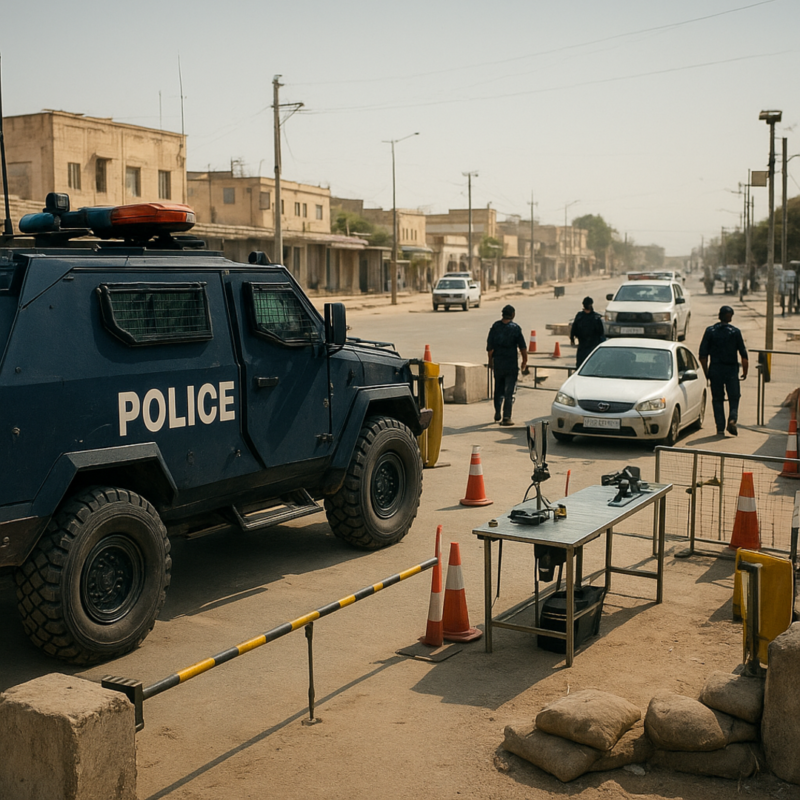
Police units, national intelligence agents, and Special Forces have expanded their operations throughout the city, with dedicated units assigned to preserve domestic stability and extra personnel positioned at the city’s perimeters.
The Somali Federal Government enacted a nighttime curfew in Baidoa, prohibiting civilians from carrying weapons in the city during evening hours, with exceptions for authorized security personnel. This decision followed heightened security measures implemented amid political tensions stemming from recent administrative changes in the South West State.
Enhanced Security Measures
Government officials have set up numerous inspection points to examine vehicles and individuals, conducting thorough searches and verification processes to mitigate potential security risks. Administrative bodies have also implemented bans on the importation of unregistered weapons into the city, complemented by continuous operations directed at illicit arms.
Somali Police Commissioner Asad Osman Abdullahi, who recently met with local police officers, has directed immediate reinforcement of security throughout the city. The directive specifically forbids weapons within Baidoa at night, allowing only official forces such as police and National Intelligence and Security Agency (NISA) officers to be armed.
Political Transition and Electoral Preparations
The enhanced security efforts are focused on preparing Baidoa for the expected electoral process, with authorities working to avoid any disturbances and maintain a secure atmosphere. This initiative occurs as Somalia pursues broader electoral initiatives, facing persistent security complications associated with the Al-Shabaab militant presence in certain areas of the region.
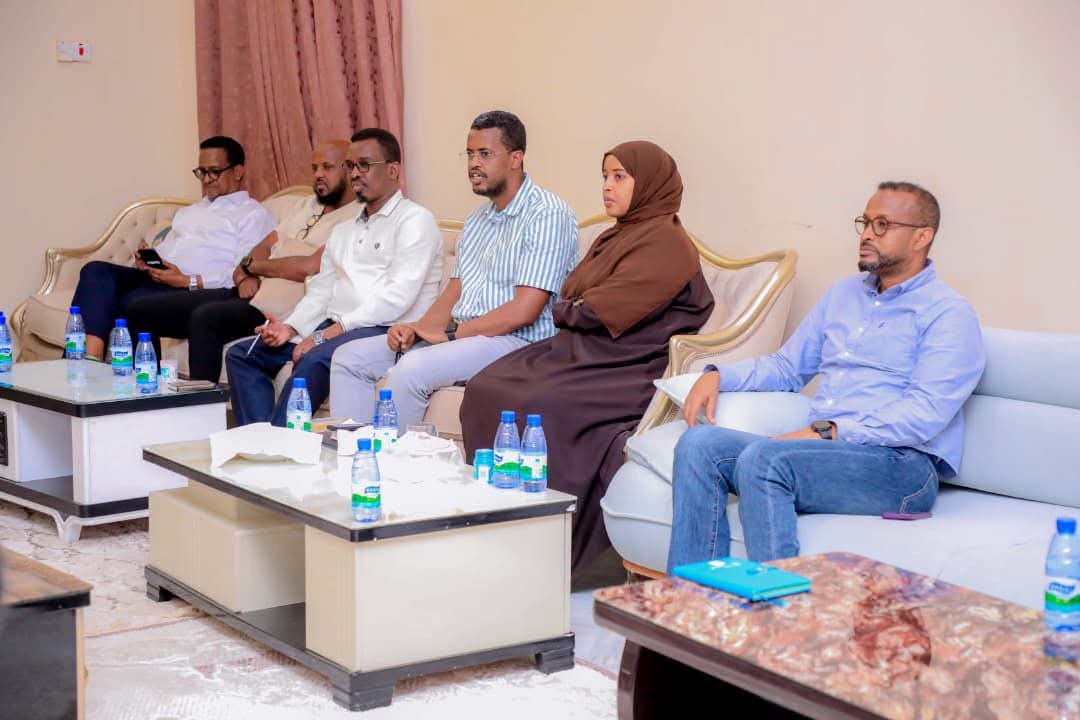
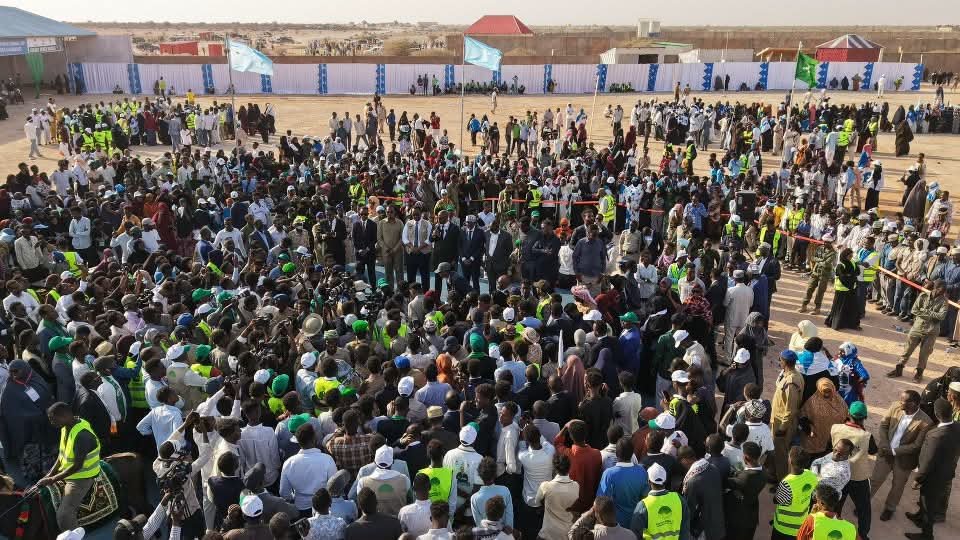
Speaker of the House of the People, Sheikh Adan Mohamed Nur (Madobe), arrived in Baidoa on March 31 to oversee preparations for South West State presidential and local council elections. Upon arrival, the Speaker convened a high-level strategic meeting with Somali National Army commanders in Baidoa to evaluate security conditions and bolster stabilization initiatives in the wake of the political upheaval.
The federal intervention began when heavily armed Somali National Army troops, supported by allied clan militias, entered Baidoa and seized control of the regional administrative capital. Following intense, closed-door negotiations with federal officials, Laftagareen agreed to step down from the regional presidency and subsequently departed for Nairobi, Kenya.
Federal Commitment to Universal Suffrage
Federal authorities remain committed to implementing universal suffrage in South West State. Prime Minister Hamza Abdi Barre has declared that there will be no elections in Baidoa or across Southwest other than a one-person, one-vote process.
“The Prime Minister said there will be no political vengeance and that no one will be allowed to disrupt security in Baidoa, which is now under the control of the national army. ‘We will not allow, in any way, disorder, revenge, clan-based discrimination or any trouble in Baidoa,’ Prime Minister Hamza stated.”
Ongoing Security Operations
While police are responsible for maintaining internal security in Baidoa, the Somali National Army is positioned on the city’s perimeters to provide additional defense. Unarmed groups not yet integrated into national forces have been ordered to remain at their bases during the integration process and are prohibited from bringing weapons into the urban area.
Tensions escalated dramatically in March as federal government forces commenced strategic military movements from Buurhakaba toward regional defenses outside Baidoa. The military operation followed the deployment of approximately 2,000 federal soldiers to Buurhakaba, signaling a possible armed confrontation over the intensifying electoral dispute with Southwest State.
Commitment to Democratic Process
The federal government’s objective is to restore constitutional order and ensure that South West State aligns with the broader electoral framework, which emphasizes direct elections and the transition to a one-person, one-vote system.
The push for direct elections, however, faces strong opposition from the presidents of Puntland and Jubaland, who are united in the Somali Future Council, reflecting deeper fissures within Somalia’s federal system as the nation approaches highly contentious national elections due this year.
The enhanced security efforts are part of broader initiatives to prepare Baidoa for the expected electoral process, with authorities working to avoid any disturbances and maintain a secure atmosphere as Somalia pursues its broader electoral initiatives.