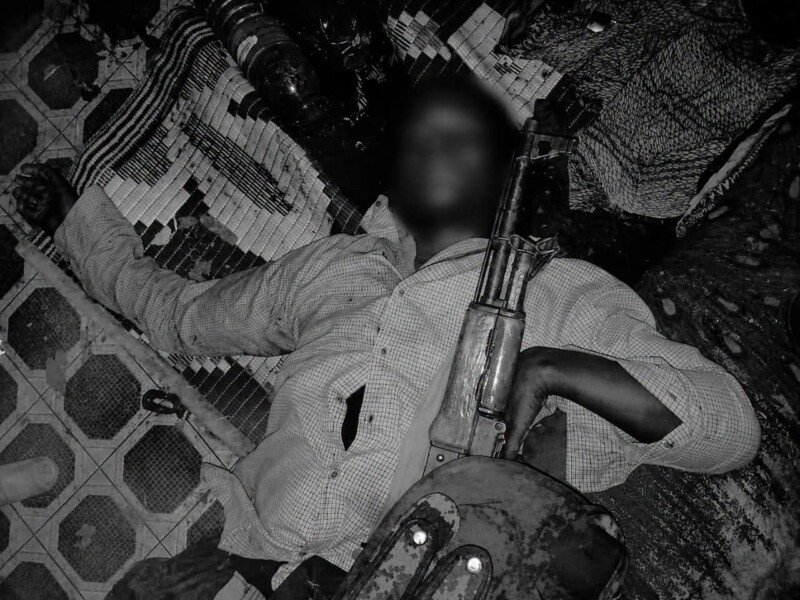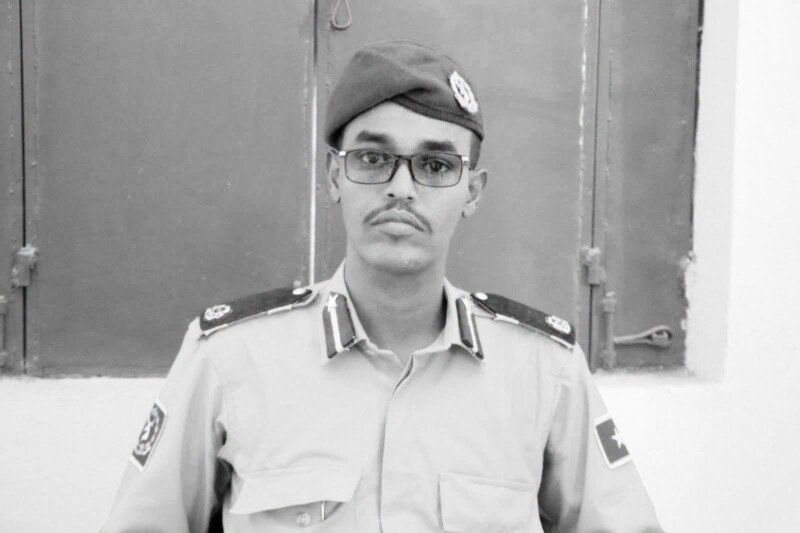

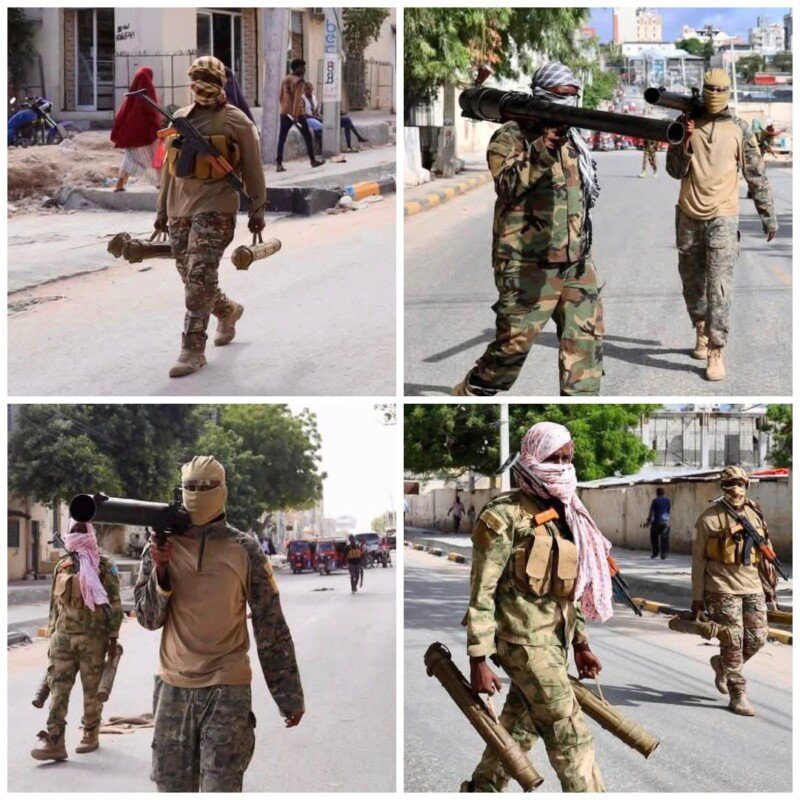
MOGADISHU – Somalia’s government on Thursday accused a former prime minister and an ex-president of orchestrating an armed coup attempt to destabilize the country, following fierce clashes in the capital between government troops and opposition-aligned militias.
The severe political crisis escalated after hours of heavy fighting around the Mogadishu residences of former prime minister Hassan Ali Khaire and former president Sharif Sheikh Ahmed, sparking fears of wider conflict in the volatile Horn of Africa nation.
Government Accuses Opposition of Coup Attempt
In a strongly worded statement, Defence Minister Ahmed Moallim Fiqi compared the opposition forces to Sudan’s notorious paramilitary Rapid Support Forces (RSF), describing them as the group’s “Somali wing.”
“The coup attempt orchestrated by these individuals against the Somali state has been thwarted and is now on the verge of collapse,” Fiqi stated in a social media post.
The minister alleged that the opposition figures had mobilized heavily armed militias, adding: “Just as Al-Shabaab hides behind the mask of religion, these groups are attempting to camouflage themselves under the guise of peaceful protests while carrying heavy weaponry.”
Without providing evidence, Fiqi further claimed that some of the politicians involved were acting on behalf of foreign interests, alleging they had been “hired by the United Arab Emirates.”
Fiqi previously warned opposition groups against mobilizing armed militias ahead of planned demonstrations, saying the federal government would respond forcefully to any attempt to destabilize the country through violence. “We are not attacking the opposition, but if they bring armed militias, we will break their hands,” Fiqi said at that time.
Opposition Claims Drone Assault
The government’s allegations followed an equally fierce denunciation from Khaire, who accused President Hassan Sheikh Mohamud of ordering a targeted military assault to eliminate political opponents.
“For more than 20 hours, Hassan Sheikh Mohamud has directed a sustained and indiscriminate military assault with the apparent objective of killing me, former President Sheikh Sharif Sheikh Ahmed, dozens of respected traditional elders and other political leaders in Mogadishu,” Khaire stated.
He claimed that military drones and anti-tank weapons intended for the fight against Al-Shabaab jihadists were instead deployed against political rivals in densely populated civilian areas.
Former president Sharif Sheikh Ahmed has sharply criticised Hassan Sheikh Mohamud, whose term expired on May 15, accusing him of violating the constitution. Sharif warned that Somalia is entering a dangerous political phase and called for a broad political agreement on elections rather than any attempt to extend the government’s term in office.
Term Extension Dispute at Core of Crisis
The military standoff stems from a bitter, long-running dispute over controversial constitutional amendments signed into law in March. The sweeping political reforms extended the terms of both the president and parliament from four to five years. The changes have been fiercely rejected by opposition figures, including former presidents Sharif Sheikh Ahmed and Mohamed Abdullahi Farmaajo, who argue the moves lack national consensus and constitute an illegal power grab.
International partners including the UN, African Union, EU, IGAD, the United States, and the United Kingdom have urged renewed dialogue between the Somali government and opposition groups following the collapse of US and UK mediated talks. The negotiations ended without a breakthrough on May 15, the same day President Hassan Sheikh Mohamud’s four-year term expired under the 2012 Provisional Constitution.
The Puntland administration has accused President Hassan Sheikh Mohamud of unlawfully remaining in office following the expiration of his four-year term, which it said coincided with the end of the mandates for Somalia’s federal institutions.
International Concern and Civilian Casualties
The United Nations expressed deep concern over the escalating violence, warning that the clashes had already caused civilian casualties and damaged vital infrastructure. The United States and United Kingdom have both issued statements expressing alarm over the violence and calling for restraint.
A tense calm returned to parts of the capital late Thursday following local mediation efforts by traditional elders and lawmakers, though heavily armed forces from both sides remained locked in a standoff.
Looking Ahead
The confrontation marks the most serious political and security crisis in Somalia since President Hassan Sheikh Mohamud returned to power in 2022. As of Thursday, there were no signs that authorities and opposition representatives had initiated fresh discussions to alleviate tensions, though diplomatic representatives and international organizations have persisted in advocating dialogue as the optimal approach to settling the disagreement.
Western diplomats have reportedly warned that any violence stemming from political disputes could trigger international measures against those deemed responsible, while indicating that Somalia’s state-building efforts could not indefinitely depend on external financial support.
Recommended Reading On ftlsomalia.com:
- Somalia Defense Minister Warns Opposition Against Armed Protests Ahead of June 4 Demonstrations
- International Community Urges Renewed Dialogue Between Somali Government and Opposition Groups
- Ex-Somali Leader Sharif Sheikh Ahmed: Hassan Sheikh Stands Where Political Downfall Could Begin
- Puntland Accuses Hassan Sheikh of Remaining in Office Illegally