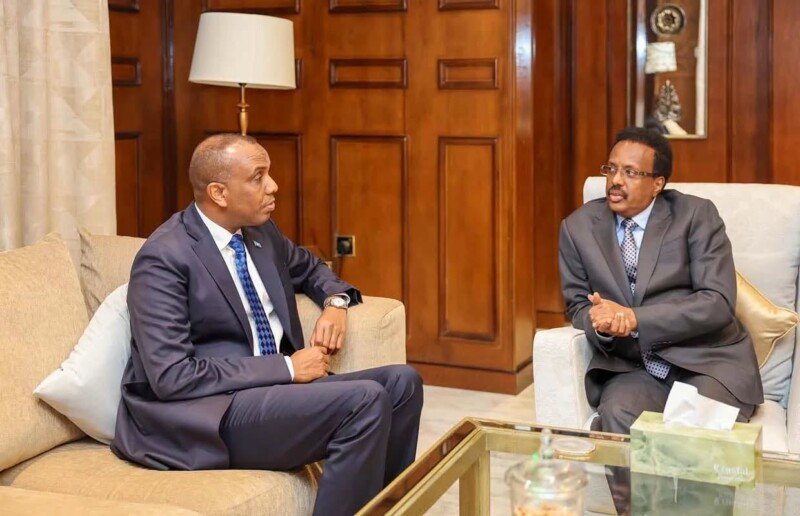

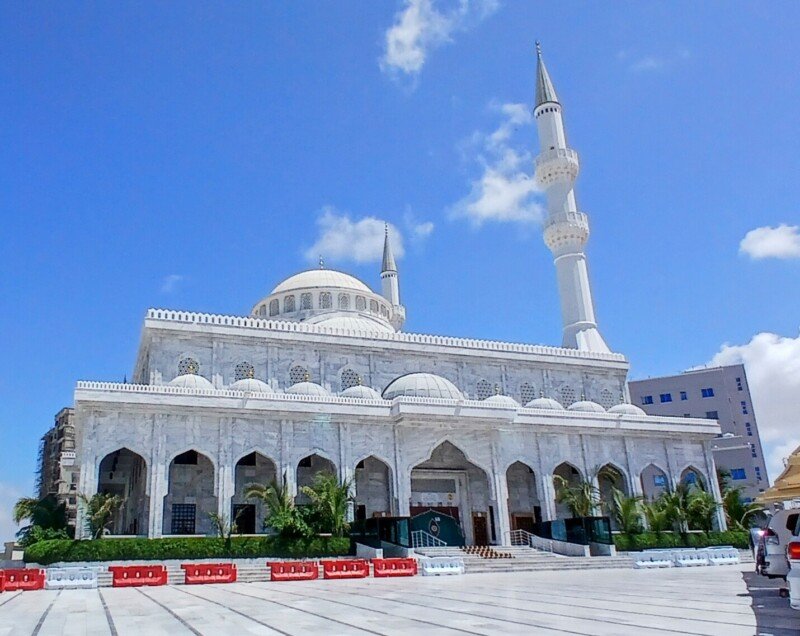
MOGADISHU — The Director General of the Ministry of Endowments and Islamic Affairs, Dr. Abdinafic Ahmed Abdullahi, has officially opened a consultation meeting on the draft Mosque Law, bringing together imams, mosque administrators, and religious leaders from across the capital to discuss the proposed legislation.
The meeting, held in Mogadishu, aims to gather input and practical recommendations on the draft law before it is finalised and submitted to the Council of Ministers for approval.
Dr. Abdinafic commended the efforts of imams and mosque administrators, noting that mosques are places of worship belonging to Allah, and therefore must be properly maintained and managed. He emphasised that the Mosque Law is crucial for regulating and developing mosques across the country, and will help resolve disputes and misunderstandings that have arisen among some mosque leadership.
“This law will also help define the responsibilities and duties of the various parties involved in mosque management, ensuring a clear framework for cooperation,” the Director General said.
He added that the Ministry is prioritising the establishment of regulations and procedures to improve mosque management and clearly delineate responsibilities, in order to reduce conflicts arising from misunderstandings and create a unified system in line with the law and the needs of the community.
Dr. Abdinafic stressed that the Ministry does not intend to make unilateral decisions on mosque matters, but places great importance on consultation and the participation of those directly involved in mosque operations, particularly imams and administrators. This approach ensures that the law reflects the input of all parties and responds effectively to existing needs.
Several imams who attended the meeting expressed their appreciation for the Ministry’s consultative approach in preparing the law, stating that they are ready to contribute their time and advice to finalise the legislation, both in this meeting and in future sessions on the matter.
The Ministry has previously engaged in regional cooperation on religious affairs, with Minister Mukhtaar Roobow Ali meeting the Turkish Diyanet head in Ankara to expand cooperation in Islamic education, religious endowments, and institutional capacity-building.
Somalia and Turkey have deepened ties on religious affairs and education, with Diyanet delegations reaffirming their readiness to increase collaboration and noting that Somalia holds a significant place in Turkey’s global humanitarian and religious outreach programmes.
Minister Robow has also visited Djibouti to deepen religious and cultural cooperation, reinforcing the long-standing ties between the two Horn of Africa nations and focusing on religious education, endowment management, and cultural exchange.
Somalia and Saudi Arabia have signed a pact on Islamic affairs and the fight against extremism, which includes provisions for developing the Waqf (endowments) sector to ensure religious assets are managed effectively for public benefit.
Critical Note
The development of a Mosque Law represents an important step toward formalising the governance of religious institutions in Somalia, but the success of this initiative will depend on its implementation and enforcement. The historical lack of regulation has led to disputes, mismanagement, and in some cases, the exploitation of mosques for political purposes. While the Ministry’s consultative approach is commendable, the law must also address broader governance challenges, including financial transparency, accountability, and the prevention of misuse of religious institutions for extremist activities.
The government should ensure that the legal framework provides clear guidance to mosque administrators while respecting the autonomy of religious institutions. Additionally, adequate training and support for imams and mosque committees will be essential to ensure compliance with the new regulations. The Somali people, who hold their religious institutions in high regard, deserve a system that protects the sanctity of mosques and promotes their role as centres of community life, rather than allowing them to become sources of division and conflict.
Recommended Reading On ftlsomalia.com
- Minister Robow and Diyanet Chief Agree to Expand Islamic Education
- Somalia and Türkiye Deepen Ties on Religious Affairs and Education
- Robow Arrives in Djibouti to Deepen Religious and Cultural Cooperation
- Somalia, Saudi Arabia Sign Pact on Islamic Affairs, Extremism Fight
- Somalia Secures Expanded Hajj Quota in New Agreement with Saudi Arabia
- Minister Inspects Services for Somali Pilgrims in Madinah