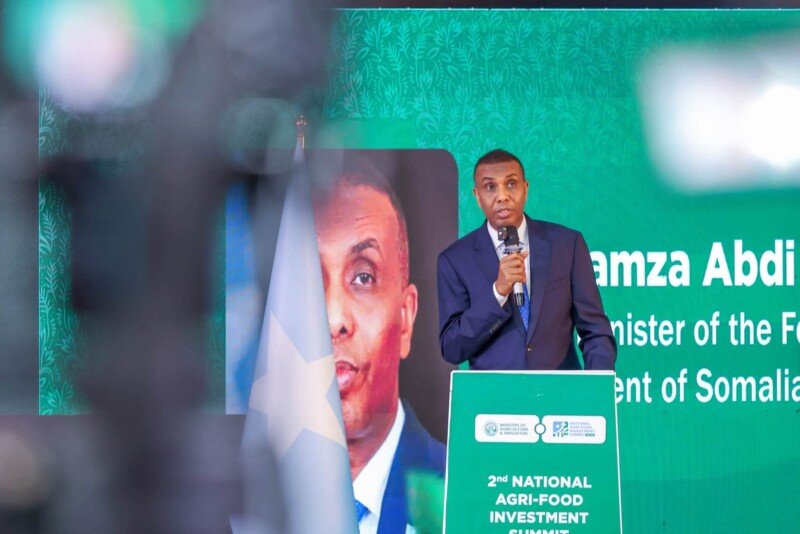

MOGADISHU — The Federal Government of Somalia is planning to attract at least $35 million in new investment to boost the production, processing, and export of sesame and fish, as part of a five-year national plan aimed at strengthening the country’s trade and production sectors.
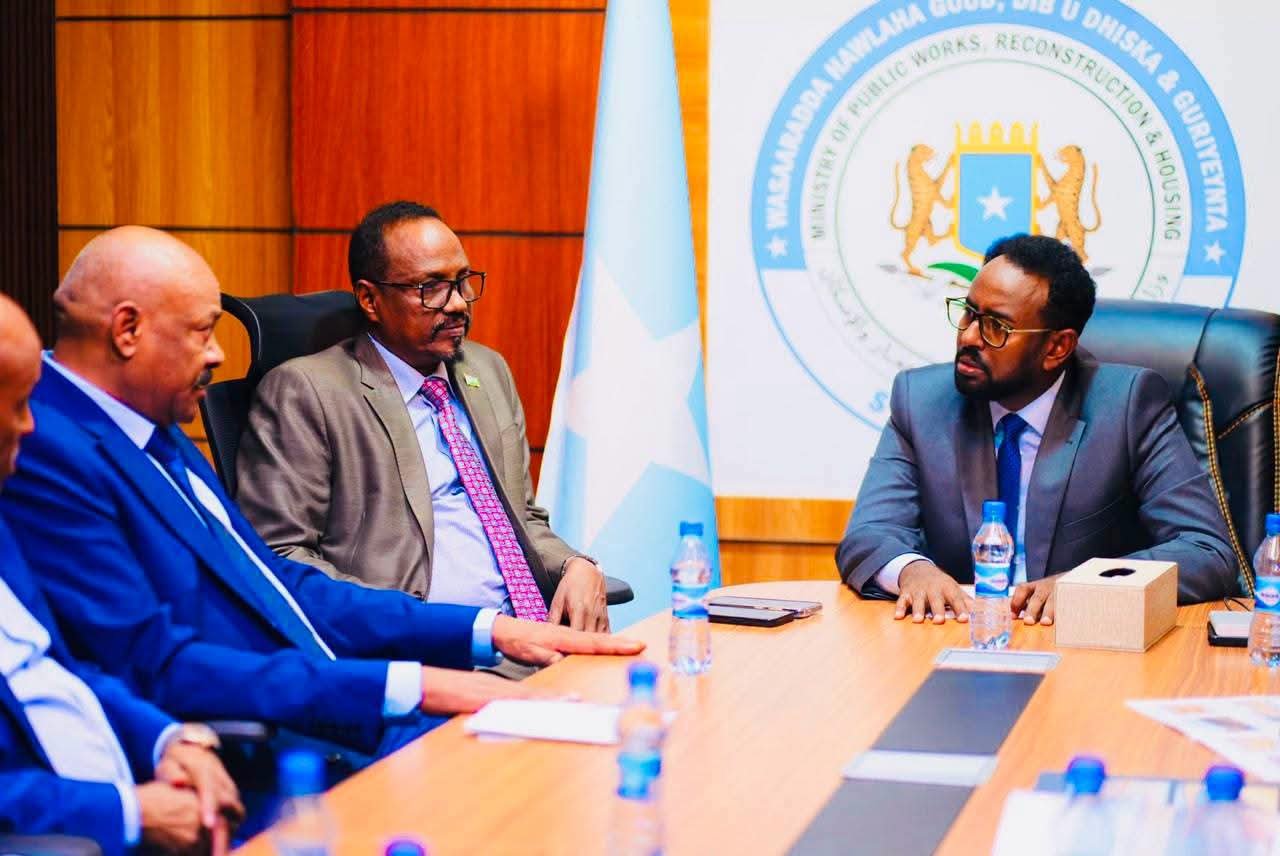
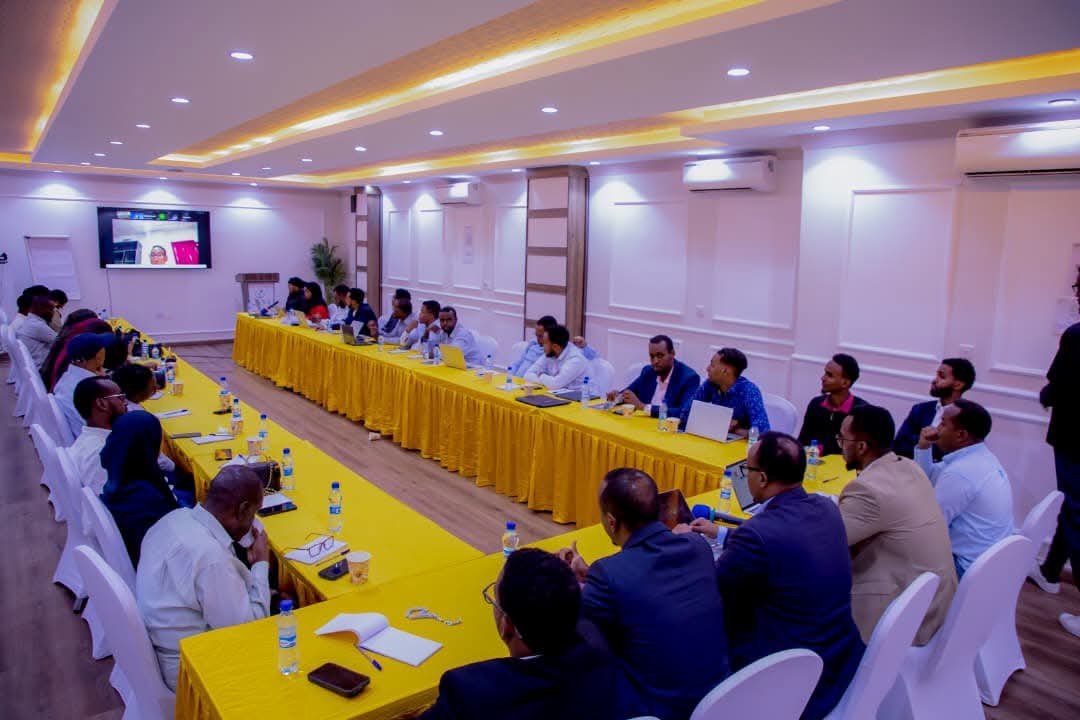
The Ministry of Commerce and Industry has held a consultation meeting to finalise and approve the National Plan 2026–2030, which focuses on adding value to Somali products before they are exported to domestic, regional, and international markets. The plan also seeks to address challenges in production chains, including processing, quality control, infrastructure, financing, and access to sustainable markets.
According to the plan, the government aims to support 300 businesses and establish at least 80 commercial connections between Somali producers and buyers. The programme is expected to create approximately 1,200 job opportunities. The initiative is supported by the Enhanced Integrated Framework (EIF) under the World Trade Organization (WTO), with technical assistance from ESAMI-TRAPCA, a regional institution focused on trade and investment capacity building.
Sesame is one of Somalia’s most important agricultural exports. However, a significant portion of the country’s production is exported with minimal local processing. The government aims to increase the country’s capacity for cleaning, processing, packaging, and storing sesame, enabling Somali traders to capture greater value from the commodity rather than exporting it as raw produce.
Local processing could also create additional jobs in manufacturing, transport, storage, packaging, and marketing. The fisheries sector, with Somalia’s long coastline, offers significant potential for economic diversification and job creation, particularly for coastal communities. However, the sector faces challenges including a lack of cold storage and processing facilities, quality control systems, product certification, and access to international markets.
Somalia has one of the longest coastlines in Africa, offering significant potential for the fishing industry. However, the sector has been underdeveloped due to decades of conflict, lack of investment, and illegal fishing by foreign vessels. The government has identified fisheries as a key sector for economic growth and job creation, with efforts underway to regulate the industry, attract investment, and promote exports.
Somalia has one of the longest coastlines in Africa, and the government has identified fisheries as a key sector for economic growth and job creation. In July 2026, Somalia and China signed a protocol allowing Somali fishery products to be exported to Chinese markets duty-free, a move officials described as a significant milestone for the Horn of Africa nation.
Somalia’s blue economy holds a billion-dollar promise, according to officials, with the potential to transform livelihoods and strengthen the economy if properly managed and protected from illegal fishing.
Somalia has established a fisheries partnership with Turkey through the SOMTÜRK joint venture, which aims to enhance blue economy development, increase fish production, create local processing facilities, and address illegal, unreported, and unregulated fishing.
A Turkish delegation recently visited Mogadishu to discuss investments in the fisheries sector, and high-level meetings have been held to advance bilateral cooperation in sustainable fisheries and aquaculture. Somalia’s Fisheries Minister Ahmed Hassan Adan has been actively engaging with international partners on blue economy development.
Critical Note
While the $35 million investment plan represents a significant step toward developing Somalia’s export sectors, the effectiveness of this initiative will depend on implementation and accountability. The government’s ability to attract investment, build the necessary infrastructure, and create an enabling environment for businesses will be critical to achieving the plan’s objectives.
The lack of cold storage facilities, processing plants, and quality control systems has historically constrained the growth of the fisheries sector. The government must address these structural challenges while also tackling illegal fishing, which continues to deplete Somali waters and cost the country millions of dollars annually. Furthermore, the success of the sesame initiative will require investment in processing and packaging infrastructure, as well as efforts to improve the quality and consistency of exports.
The Somali people, who have endured decades of conflict, deserve an economy that provides opportunities for all. The government must ensure that the benefits of export development reach local communities and that the plan does not simply serve as another well-intentioned but poorly implemented policy framework.
Recommended Reading On ftlsomalia.com
- Mogadishu Port Chief Welcomes Somali Fishing Company
- Somalia’s Blue Economy Holds Billion-Dollar Promise
- Somalia Establishes SOMTÜRK Fisheries Partnership
- Turkish Delegation Launches Blue Economy Committees
- Somali Fisheries Minister Outlines Plans to Combat Illegal Fishing
- Somalia Joins ISDP to Fast-Track Agricultural Development