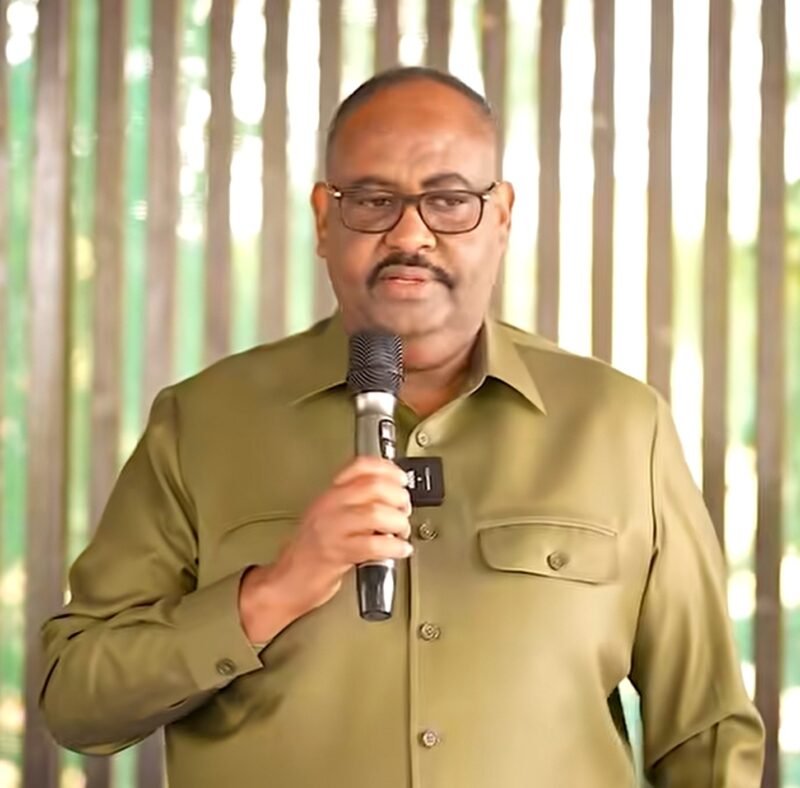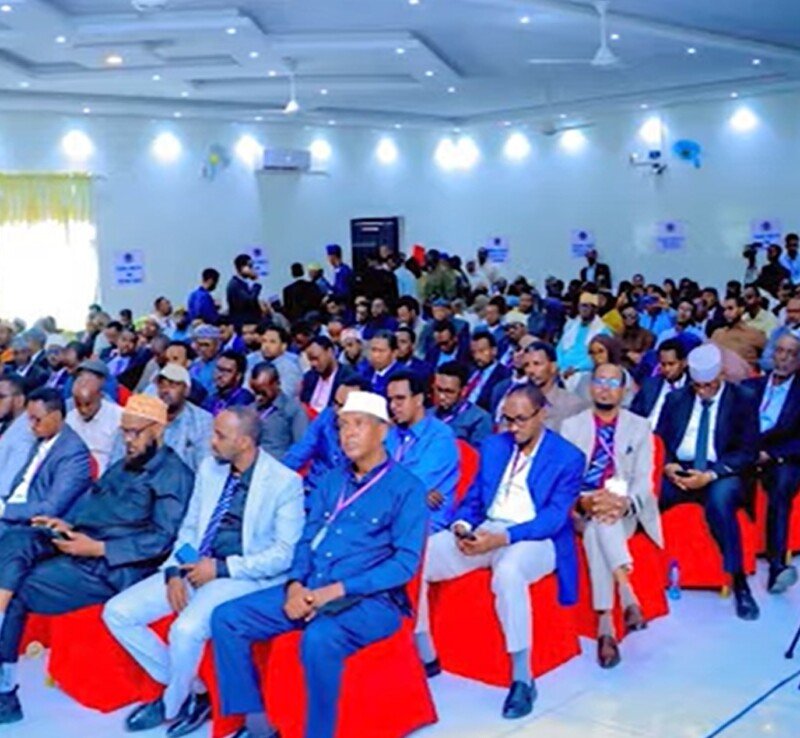

MOGADISHU – The Minister of Information, Culture and Tourism of the Federal Government of Somalia, Abdifatah Qasim Mahmoud, has launched both a national workshop on UNESCO’s Memory of the World Programme and the rehabilitation of the Radio Mogadishu Archive, marking a significant advancement in preserving Somalia’s historical and cultural heritage.
The two-day workshop, organized by UNESCO with support from the Japanese government’s JFIT Programme (Japan Funds-in-Trust), assembled government officials, heritage experts, archivists, and cultural stakeholders to explore protecting Somalia’s documentary heritage and preparing for UNESCO’s Memory of the World Programme. The event marked the first time the Memory of the World Programme has been conducted in Somalia, facilitating knowledge exchange among experts about preserving history, culture, and heritage.
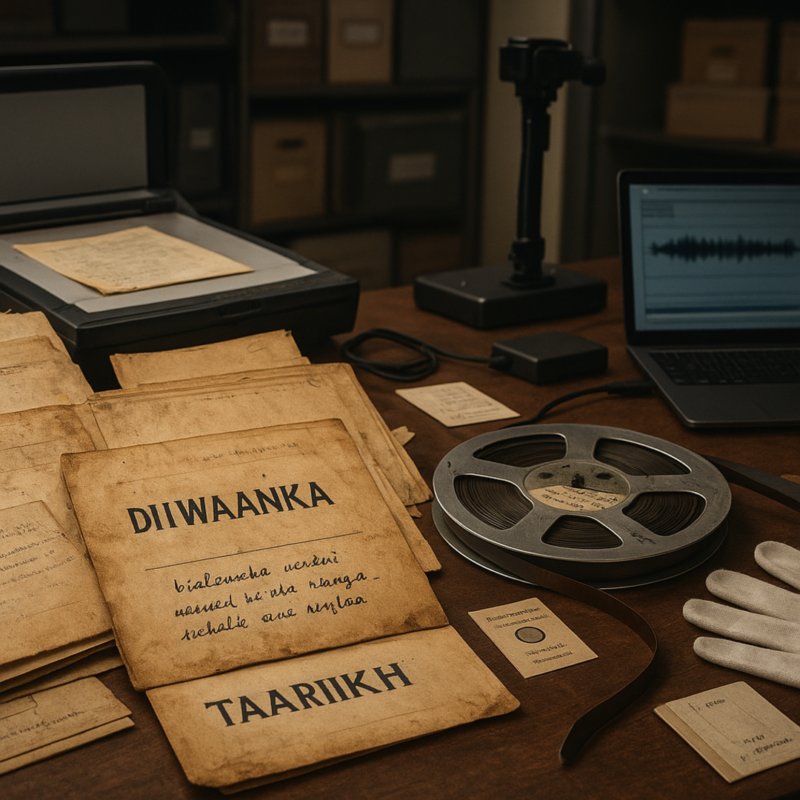
UNESCO has been actively supporting Somalia’s efforts to preserve the Radio Mogadishu archives, with a partnership focused on digitizing over seventy years of historical audio recordings. The initiative is vital for historical preservation, fostering national identity, and ensuring cultural continuity for future generations.
UNESCO Highlights Significance of the Programme
Lea Simonini, representing UNESCO, emphasized the importance of the programme in strengthening Somalia’s role in preserving historical memory.
“The Memory of the World Programme is an initiative dedicated to safeguarding the history of peoples and nations across the world. For the first time in Somalia, we are organizing this workshop to enable experts and stakeholders to exchange knowledge on the importance of preserving history, culture, and heritage, while strengthening national-level engagement and establishing a committee to support this effort. The workshop also highlights the importance of protecting and preserving the historic audio archive of Radio Mogadishu,” Simonini said.
Simonini further stated: “UNESCO’s Memory of the World Programme was established to ensure that the world’s documentary heritage – its written records, audio materials, photographs, manuscripts, and archives – is preserved and remains accessible to all. Documents are not merely historical objects; they are the carriers of memory. They tell us who we are and where we come from. When they are lost, that memory is lost with them. This workshop marks an important step for Somalia: towards establishing a National Memory of the World Committee, and towards securing international recognition for Radio Mogadishu Archive – a collection of exceptional national and international importance that must be safeguarded before it’s lost.”
Minister Stresses National Responsibility for Heritage Protection
In his opening remarks, Minister Abdifatah Qasim Mahmoud stressed the importance of preserving national memory and Somalia’s media heritage, noting that the Radio Mogadishu Archive represents a living legacy that carries the history and identity of the Somali people and urgently requires protection.
“This workshop on the preservation of collective memory comes at a timely moment. Safeguarding the historical materials contained in our national archives is not merely a technical exercise; it is a national responsibility aimed at protecting the identity and history of the Somali people. The Radio Mogadishu Archive is home to the history of Somali arts, culture, and nation-building, and it requires urgent preservation,” the Minister stated.
The Minister further noted that the Ministry will prioritize the modernization and preservation of the Radio Mogadishu Archive in collaboration with UNESCO’s Memory of the World Programme.
Radio Mogadishu Archive: A Living Legacy
The Radio Mogadishu Archive represents the most extensive collection of Somalia’s recorded history. Radio Mogadishu was first established in 1951 during the United Nations Trusteeship period, when Somalia was administered by Italy. Initially broadcasting in Italian, the station quickly expanded to include programming in Somali, becoming a powerful tool for education, news dissemination, and national unity.
Over the years, the station has captured pivotal moments in Somalia’s political, cultural, and social history. The archive contains over 200,000 tapes, with a surviving core collection of about 35,000 magnetic reel-to-reel recordings covering Somalia’s recorded memory dating back to 1951. Less than 30 percent of the collection has been digitized, making the preservation effort urgent as aging magnetic tapes deteriorate over time.
Experts provided assessments of Radio Mogadishu’s collections, featuring recordings and materials capturing pivotal moments in Somalia’s modern history since 1951. Discussions centered on enhancing the preservation, digitization, and public accessibility of historical records, which many experts consider vital for preserving Somalia’s collective memory following decades of conflict, displacement, and institutional disruption.
Former Prime Minister Mohamed Hussein Roble previously visited Radio Mogadishu and promised to help digitize the archives to ensure that the country does not lose its musical and literary legacy.
Rehabilitation and Modernization of Archive Equipment
During a separate event, the Minister, accompanied by the Deputy Minister, the Ministry’s Director General, Radio Mogadishu Director Abdifatah Dahir Jayte, and other officials, toured various sections of the archive and inspected the refurbished machines used to power and process historical audio tapes.
Radio Mogadishu Director Abdifatah Dahir Jayte outlined the stages of the archive’s rehabilitation and modernization process. He expressed hope that the initiative would mark the beginning of the most comprehensive modernization of the Radio Mogadishu Archive, noting the Ministry’s commitment to converting the archive into a digital format.
The Minister characterized the restoration and modernization work as an important first step in a broader effort to modernize the Radio Mogadishu Archive, safeguard its contents, and preserve thousands of tapes containing Somalia’s history, culture, and national memory. He commended Radio Mogadishu staff and archive personnel for their dedication and encouraged them to intensify efforts to accelerate the digitization of archival tapes so that future generations can benefit from this national heritage.
Japanese Government Support Through JFIT Programme
The Minister expressed gratitude to UNESCO and the Japanese government’s JFIT Programme, which supports the Memory of the World Programme, for helping with the assessment of the Radio Mogadishu Archive and the restoration of archive machinery and equipment.
Japan’s contribution reflects the country’s commitment to cultural preservation and its recognition of Somalia’s need for technical and financial assistance in protecting its historical archives. The JFIT Programme has previously supported memory of the world initiatives in other countries, providing expertise in digitization, archival management, and conservation techniques. This marks the first time the program has been directed toward Somalia’s documentary heritage.
While noting that the refurbished machines represent a positive beginning, the Minister stressed that they remain insufficient to address the vast number of historical tapes held in the archive. He called on the Somali public, UNESCO, and other international partners to support the Ministry’s efforts to improve access to archival materials and accelerate the digitization of long-preserved tapes that are at risk of deterioration and loss.
National Committee Established for Memory of the World Programme
On the second day of the workshop, discussions focused on the procedures for registering documentary heritage under UNESCO’s Memory of the World Programme, Somalia’s readiness to join the programme, and the creation of a National Committee to coordinate preservation efforts for the nation’s historical resources.
Participants evaluated the international program’s role in preserving historically significant documents and archives, with experts providing assessments of Radio Mogadishu’s collections. Participants also consented to establish a national committee that will coordinate efforts to identify, preserve, and promote Somalia’s historical records within the UNESCO framework.
Abdishakur Ali Ahmed, Director of Media Strategy at the Ministry of Information, Culture and Tourism, characterized the workshop as a significant milestone in deepening Somalia’s understanding of the Memory of the World Programme and establishing opportunities to preserve and document the nation’s historical archives. He expressed gratitude to UNESCO, participating experts, and stakeholders for their contributions and voiced hope that the initiative would contribute to safeguarding Somalia’s documentary heritage for future generations.
“The workshop represents an important starting point in building Somalia’s understanding of the Memory of the World Programme. It could enable Somalia to benefit from opportunities to preserve, document, and protect the historical archives of Radio Mogadishu and the country’s broader historical heritage,” Ahmed stated.
Significance for National Identity and Future Generations
The initiative aligns with Somalia’s efforts to strengthen cultural heritage preservation, which has been jeopardized by years of civil war, instability, and inadequate archival infrastructure. Historians and cultural experts have long cautioned that valuable records documenting the country’s political, cultural, and social history face deterioration or loss risks.
Cultural experts emphasize that preserving archives like those maintained by Radio Mogadishu is crucial not only for protecting Somalia’s history but also for reinforcing national identity, supporting academic research, and guaranteeing future generations’ access to authentic documentation of the nation’s past.
The workshop reinforces both national and international efforts to preserve Somalia’s historical archives and contributes to the broader global campaign, led by UNESCO, to safeguard documentary heritage and collective memory. The Ministry continues to advance efforts to modernize and digitize its vast collection of archival recordings.
Participants agreed on strengthening cooperation to safeguard Somalia’s historical and documentary heritage.
Recommended Reading On ftlsomalia.com: