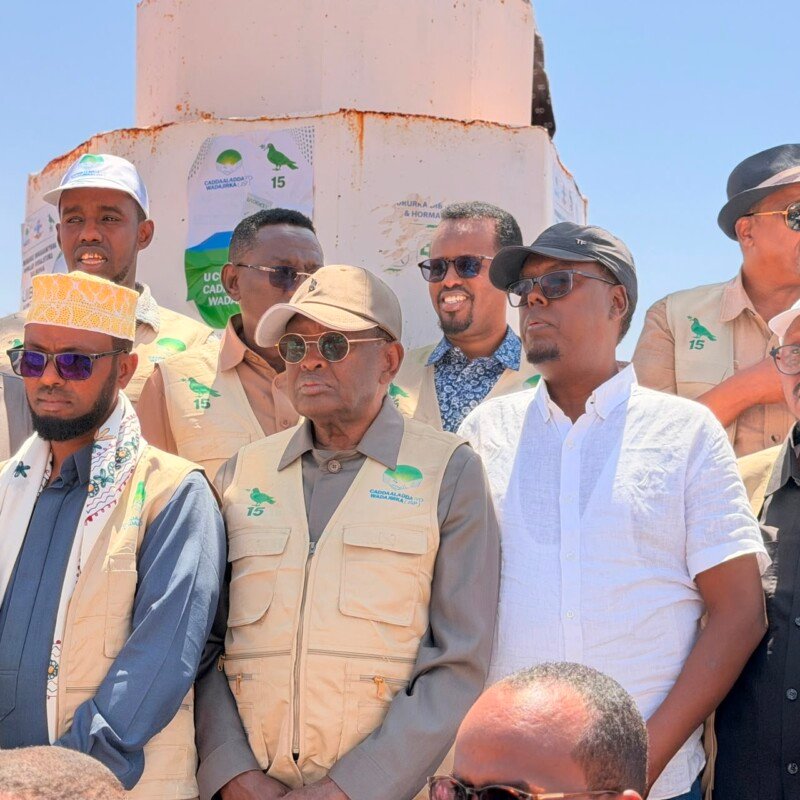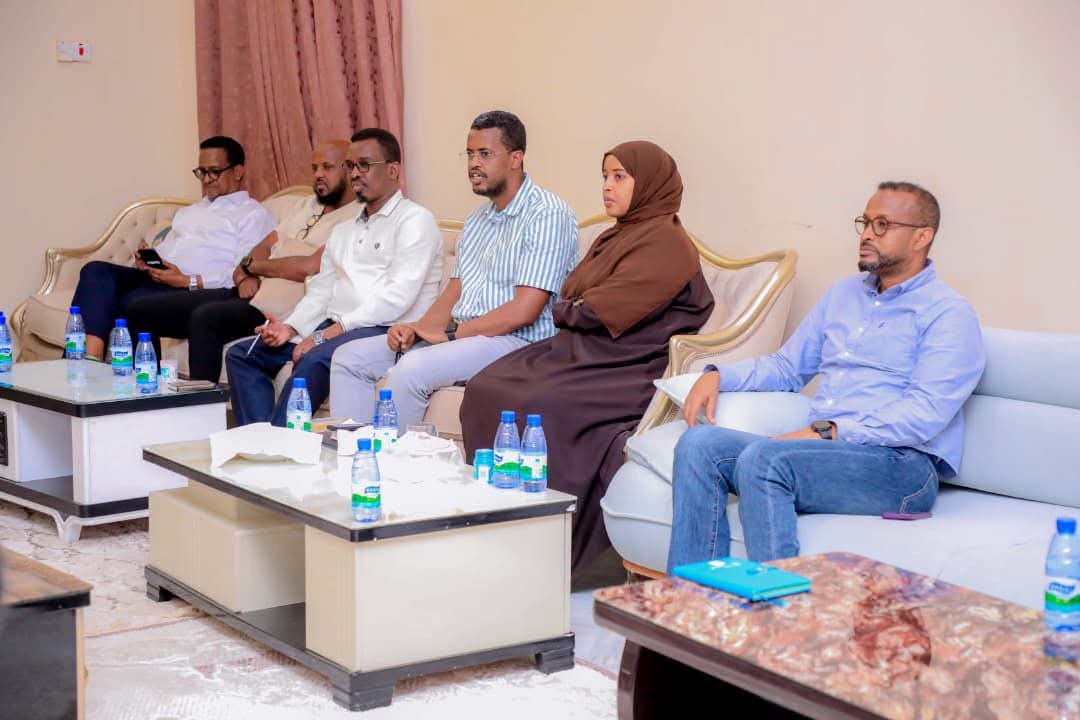

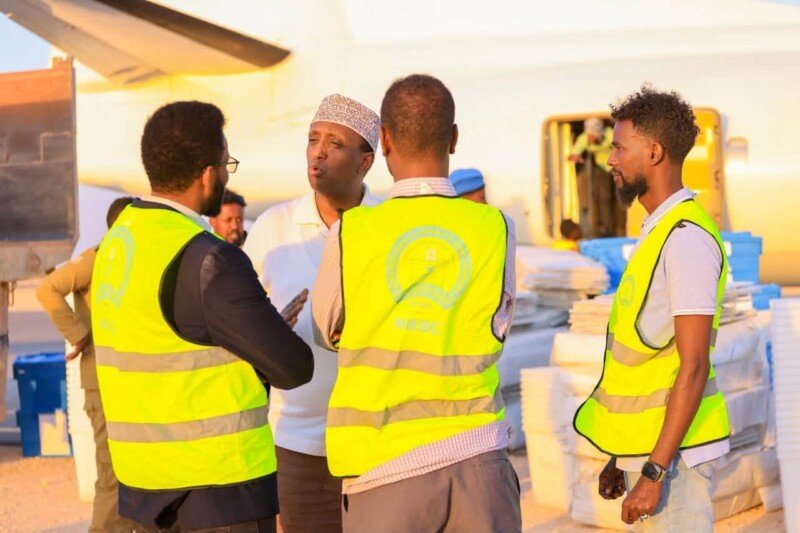
MOGADISHU – The National Independent Electoral and Boundaries Commission (NIEC) has officially released the timetable for Hirshabelle State’s local council and House of Representatives elections, setting August 20, 2026, as polling day, in a process that represents both a historic step toward direct democracy and a potential source of renewed political tensions.
The commission, acting under Article 10 of the NIEC Establishment Law and Article 18 of the National Elections Law, announced that voter registration and card distribution will begin on August 5. The final voter list will be published on August 16, followed by the announcement of candidates on August 18, two days before the vote. The schedule mirrors the phased approach previously used in Galmudug and South West State elections.
A Democratic Milestone or a Federal Power Play?
Hirshabelle’s transition to one-person, one-vote elections was formally launched in July 2025, when President Ali Gudlawe Hussein inaugurated voter registration in Jowhar. President Gudlawe described the initiative as a turning point for inclusive governance, stating that “for the first time, every eligible citizen will have a voice and a vote in determining their local leaders.”
The shift away from Somalia’s long-standing clan-based power-sharing system has been hailed as a landmark achievement. The Hirshabelle Council of Ministers has since convened to discuss election preparations, appointing new ministers to oversee planning and interior affairs. Yet the process has been anything but smooth.
A History of Political Interference
The announcement of the Hirshabelle timetable comes amid growing concerns about federal interference in regional electoral processes. President Hassan Sheikh Mohamud has reportedly signaled his intention to proceed with elections in three allied regional states, including Hirshabelle, before initiating broader federal electoral negotiations. Sources indicate the President plans to engage in federal-level talks about the national election framework only after the regional processes are completed.
A fresh political crisis erupted in July 2025 when State Minister for Foreign Affairs Ali Omar sharply criticized President Gudlawe for organizing indirect elections despite the expiration of his term. The criticism highlighted the deep divisions between Mogadishu and regional states over the pace and nature of electoral reforms.
Federal officials have previously rejected electoral processes in other states. In March 2026, the Ministry of Interior rejected the re-election of South West State President Abdiaziz Hassan Mohamed (Laftagareen), characterizing the vote as a “pre-planned self-appointment” that lacked transparency and legality. Similar concerns could emerge in Hirshabelle if the process is perceived as manipulated by federal authorities.
Security and Logistical Challenges
The electoral timetable faces significant security and logistical hurdles. Al-Shabaab continues to control large areas of southern and central Somalia, including parts of Hirshabelle, and has repeatedly demonstrated its ability to disrupt political processes. President Gudlawe has visited the frontlines to assess operations against terrorist groups, emphasizing that Hirshabelle State must not become a safe haven for militants. President Mohamud has also arrived in Hirshabelle to mobilize ongoing operations against extremist groups, underscoring the federal government’s dedication to military operations and stabilization.
The commission’s ability to conduct voter registration and polling in contested areas remains uncertain. Humanitarian agencies have warned about the worsening situation in the region, including flood risks and displacement, which could disrupt the electoral process.
The Gap Between Rhetoric and Reality
The NIEC’s announcement of the Hirshabelle election timetable is a welcome step toward democratic consolidation. However, the process remains vulnerable to political manipulation, security threats, and logistical failures. The federal government’s history of interfering in regional elections, combined with the lack of transparency in key appointments and agreements, raises questions about whether the August 20 vote will be genuinely free and fair.
The commission’s insistence on adhering to the announced schedule, despite these challenges, suggests a determination to move forward. But without meaningful safeguards against interference, the risk of another disputed election remains high. The people of Hirshabelle deserve more than a process that merely checks boxes; they deserve a credible vote that reflects their will.
Way Forward
The NIEC’s announcement of the Hirshabelle election timetable represents a significant step in Somalia’s democratic transition. However, the success of the process will depend on the commission’s ability to ensure transparency, security, and independence from political interference. The federal government must resist the temptation to manipulate the outcome, and regional authorities must work to create the conditions for a peaceful and credible vote. Without these elements, the August 20 election risks becoming another missed opportunity for genuine democratic progress.
Recommended Reading On ftlsomalia.com
- HirShabelle Launches Historic Voter Registration Drive for One-Person, One-Vote Elections
- Hirshabelle Cabinet Discusses Elections, Security, and Flood Risks
- President Hassan Sheikh Seeks Regional Allies Before Federal Election Talks
- Somali State Minister Criticizes HirShabelle President Over Indirect Elections
- Federal Government Rejects South West State Election as an Illegal Pseudo-Election
- Hirshabelle President in the Frontlines in Operations Against Al-Shabaab