
MOGADISHU — Foreign ministers from 16 nations across Africa, the Middle East, and Asia have issued a joint statement strongly condemning Israel’s decision to appoint a diplomatic representative to the breakaway region of Somaliland, characterizing the action as a clear breach of Somalia’s sovereignty and territorial integrity.
The declaration was signed by foreign ministers from the State of Qatar, the State of Kuwait, the Kingdom of Saudi Arabia, the Arab Republic of Egypt, the Federal Republic of Somalia, the Republic of the Sudan, the State of Libya, the People’s Republic of Bangladesh, the People’s Democratic Republic of Algeria, the State of Palestine, the Republic of Türkiye, the Republic of Indonesia, the Islamic Republic of Pakistan, the Islamic Republic of Mauritania, the Hashemite Kingdom of Jordan, and the Sultanate of Oman.
Joint Communiqué Condemns Israeli Move
The joint communiqué stated that the ministers “express their strongest condemnation of Israel’s announcement to appoint a diplomatic representative to Somaliland, which constitutes a flagrant violation of the sovereignty, unity, and territorial integrity of the Federal Republic of Somalia.”
The ministers reiterated their collective position against unilateral actions that compromise state sovereignty or threaten territorial unity, stressing their complete backing for Somalia’s unity and its legitimate institutions as the only representatives of the Somali people.
“The Ministers reaffirm their unequivocal rejection of all unilateral measures that undermine state unity or infringe upon sovereignty,” the statement read. “They further emphasize their firm and unwavering support for the unity, sovereignty, and territorial integrity of Somalia, as well as for its legitimate state institutions as the sole representative of the will of the Somali people.”
Violation of International Law
The declaration also addressed the wider implications of such actions, cautioning about potential risks to regional stability and international norms. The ministers stressed that the action contravenes fundamental principles of international law and multilateral frameworks, including the United Nations Charter and the African Union Constitutive Act.
“The Ministers further emphasize that such actions represent a blatant violation of international law principles, the United Nations Charter, and the African Union Constitutive Act, creating a dangerous precedent that risks undermining stability in the Horn of Africa and adversely affecting regional peace and security,” the statement continued.
Pakistan Reaffirms Support for Somalia
The joint condemnation follows similar bilateral efforts by member states to bolster Somalia’s sovereignty. In February 2026, Pakistan’s Deputy Prime Minister and Foreign Minister, Senator Mohammad Ishaq Dar, forcefully reaffirmed Pakistan’s unwavering solidarity and full support for the sovereignty, stability, and territorial integrity of Somalia during a strategic bilateral meeting at the OIC Secretariat in Jeddah. The Pakistani leadership strongly condemned the illegal Israeli recognition of Somaliland, officially aligning Islamabad with a growing coalition of allied nations actively defending Somalia’s national borders [citation:1].
OIC Condemns Recognition
The Council of Foreign Ministers of the Organization of Islamic Cooperation convened an extraordinary session in January 2026 to address what it described as a dangerous escalation in regional stability. The 22nd extraordinary session was triggered by Israel’s announcement recognizing the Somaliland region as an independent state. Secretary-General Hissein Brahim Taha addressed the assembly, labeling the move a “flagrant violation of international law” and a “dangerous precedent,” emphasizing that such recognition poses a direct threat to the territorial integrity and sovereignty of the Federal Republic of Somalia [citation:4].
Saudi Arabia and Egypt Rally Behind Somalia
Saudi Arabia and Egypt have issued strong statements reaffirming their backing for Somalia’s sovereignty and territorial integrity, creating a unified diplomatic front against recent moves to recognize Somaliland. In Riyadh, the Saudi Cabinet, chaired by King Salman bin Abdulaziz, officially condemned any actions contrary to Somalia’s unity, specifically opposing “foreign intervention in the nation’s internal affairs or attempts to compromise its territorial unity.” Simultaneously, Somalia’s Foreign Minister Abdisalam Ali engaged in high-level talks with his Egyptian counterpart, Badr Abdelatty, who reiterated Egypt’s support for Somalia’s unity and respect for national borders [citation:10].
Somalia and Egypt Unite Against Recognition
Somalia and Egypt reached an agreement to enhance diplomatic cooperation against measures perceived as threatening national unity and territorial integrity, following discussions between their foreign ministers during an OIC conference in Jeddah. The meeting concluded with a mutual pledge to respect international law and back diplomatic and multilateral initiatives designed to protect Somalia’s sovereignty [citation:7].
President Mohamud Cautions Israel
Somali President Hassan Sheikh Mohamud has stated that Mogadishu opposes any Israeli presence in Somaliland, cautioning that Tel Aviv’s recognition of the self-declared region could import Middle East tensions into the Horn of Africa. Mohamud told TRT World that his country has never attacked or created problems for Israel and does not want Israeli-related conflicts brought to Somali soil. He warned that setting up a military base in Somaliland and forcibly relocating Palestinians would intensify conflict, which Somali authorities and citizens firmly reject [citation:5].
Israel Names First Ambassador to Somaliland
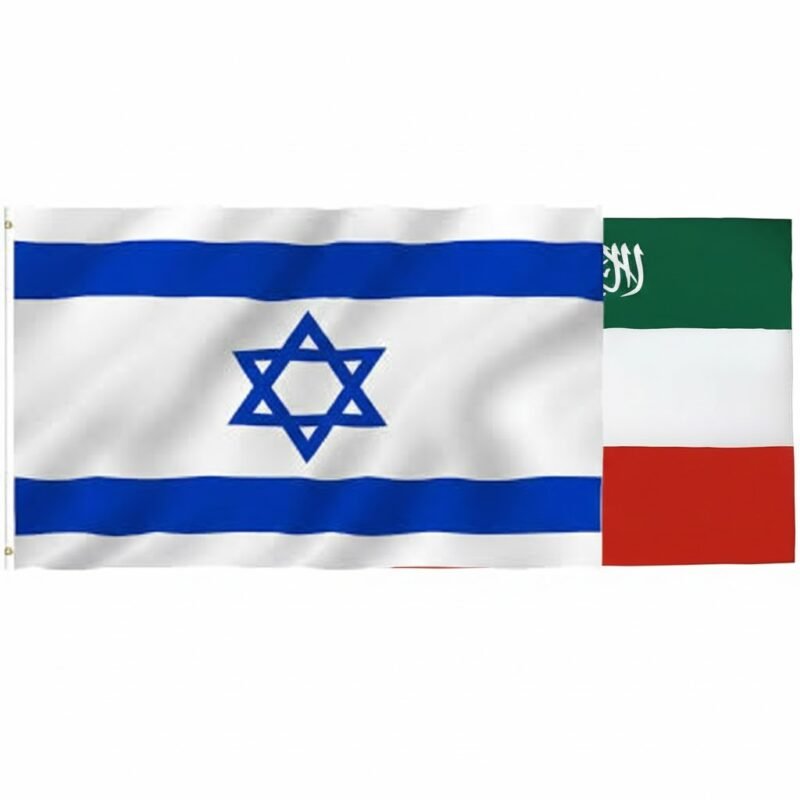
The 16-nation condemnation follows Israel’s appointment of Michael Lotem as its first ambassador to Somaliland on April 15, 2026. Lotem, a seasoned diplomat who previously served as Israel’s ambassador to Kenya, Azerbaijan, and Kazakhstan, will serve as a non-resident ambassador to the breakaway region. The appointment followed Israel’s controversial recognition of Somaliland in December 2025, which made Israel the first United Nations member state to formally recognize the self-declared republic.
Prior to Israel’s ambassadorial appointment, Israel formally accepted Somaliland’s inaugural ambassador following its recognition of the breakaway northern territory. Mohamed Hagi, who previously represented Somaliland as its ambassador to Taiwan, officially assumed his new diplomatic position in Israel [citation:3].
Diplomatic Earthquake: Israeli Foreign Minister’s Visit to Hargeisa
The diplomatic crisis intensified following Israeli Foreign Minister Gideon Sa’ar’s historic visit to Hargeisa in January 2026, marking the first high-level engagement between the two nations following Israel’s landmark recognition of Somaliland. The Federal Government of Somalia reacted with immediate and intense condemnation, characterizing the visit as an “unauthorized incursion” and a “blatant assault” on its national sovereignty, reaffirming that Hargeisa remains an “integral and inseparable part” of the Federal Republic of Somalia [citation:6].
Somalia Raises Alarm Over Israeli Plans
Somalia’s Defense Minister Ahmed Mohamed Fiqi announced that authorities possess “confirmed information” about an Israeli initiative to forcibly move Palestinians from Gaza to Somali soil, affirming that the capital would not allow such a transfer. Fiqi characterized the purported plan as an immediate danger to the country’s territorial unity and described Israel’s acknowledgment of the secessionist Somaliland region as a “grave violation” [citation:8].
Somaliland Leader Speaks with Israeli PM
Somaliland President Abdirahman Mohamed Abdullahi “Irro” conducted a high-level telephone conversation with Israeli Prime Minister Benjamin Netanyahu in March 2026, discussing regional security amid the expanding conflict between Iran and various Middle Eastern nations. Intelligence reports indicate that Israel intends to establish a strategic military base in the Somaliland region, facing severe threats from both Yemeni Houthi rebels and Al-Shabaab militants [citation:9].
Geopolitical Divide in the Horn of Africa
The crisis has effectively solidified a new geopolitical divide in the region, pitting a pro-recognition bloc led by Israel and the UAE against a “pro-unity” camp supported by Turkey, Egypt, Saudi Arabia, and Djibouti. The rift has manifested in significant policy shifts, including reports that the UAE has begun accepting Somaliland passports while imposing severe restrictions on Somali passport holders [citation:2].
Growing International Backing for Somalia
The joint declaration underscores growing international backing for Somalia’s sovereignty and territorial integrity, while urging adherence to international law and established diplomatic norms.
The Federal Government of Somalia remains steadfast in its determination to protect its national unity and sovereign rights by utilizing all diplomatic, political, and legal avenues in accordance with international law. Somalia continues to work closely with international partners to consolidate state institutions, deepen democratic governance, advance national reconciliation, and combat terrorism, the statement concluded.