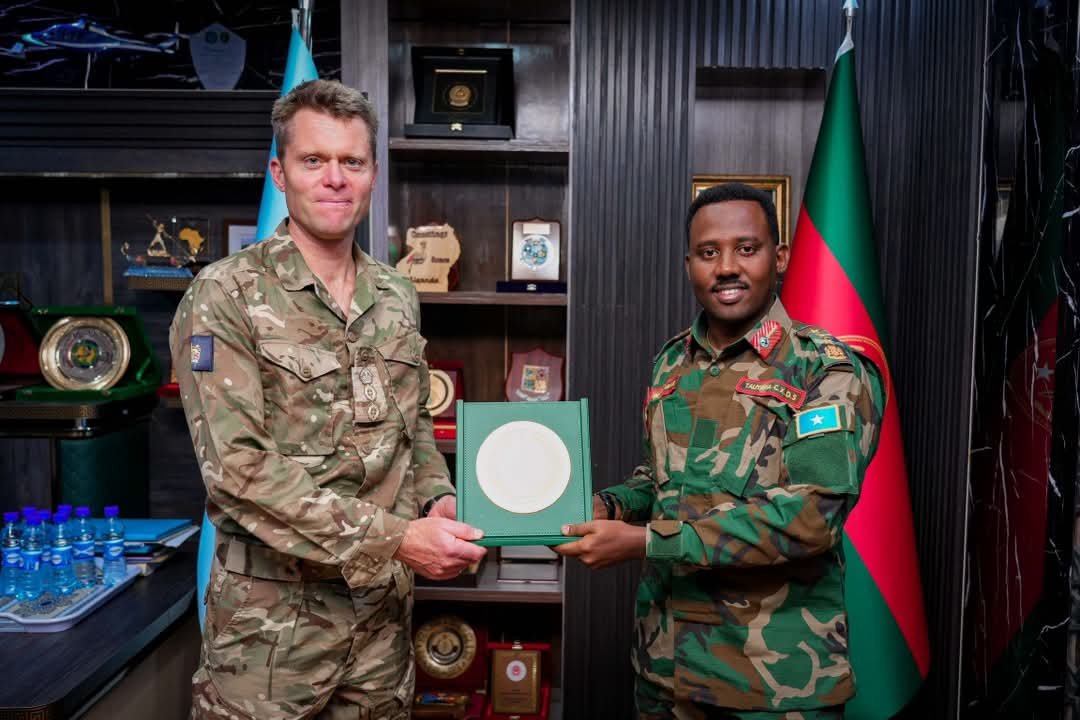

ADDIS ABABA – The Federal Government of Somalia has announced plans to deploy the Somali National Army to parts of Somaliland in the near future, describing the move as part of efforts to protect the country’s unity and territorial integrity.
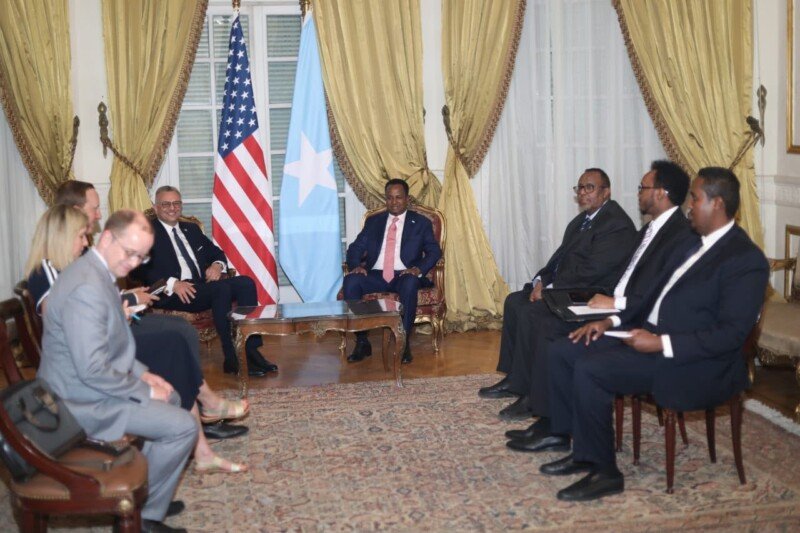
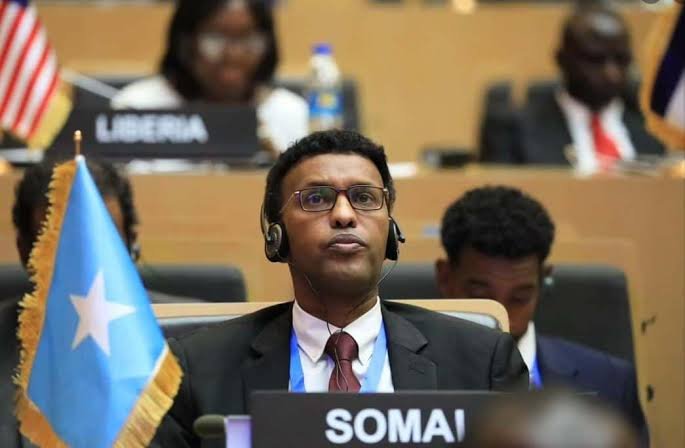
Somalia’s Ambassador to Ethiopia and Permanent Representative to the African Union, Abdullahi Mohamed Warfaa, said there are foreign countries and external actors seeking to undermine Somalia’s unity and promote the country’s division. In an interview with Al Jazeera, Ambassador Warfaa stated that the Somaliland issue is an internal matter for Somalia and that any external support for secessionist efforts would be unacceptable.
The ambassador stressed that the Federal Government remains firmly committed to preserving Somalia’s sovereignty, unity, and territorial integrity. He noted that plans are underway to strengthen the government’s presence in the northern regions of the country. Warfaa further revealed that the Somali National Army will be deployed to parts of the northern regions, including Hargeisa and Berbera, as part of the government’s future plans to extend its authority and maintain national cohesion.
Timing of the Announcement
The ambassador’s remarks come amid heightened tensions following Israel’s recent recognition of Somaliland, a move that has generated significant controversy and drawn strong reactions from Somalia.
The breakaway republic of Somaliland provided Israel with a covert military position during the recent war with Iran, allowing Israeli aircraft a potential stopping point on long-range flights to the Islamic Republic, according to a CNN investigation. The report, citing four sources familiar with the matter, revealed that Israel secretly deployed elite military and intelligence units to multiple countries, including Somaliland.
Israel formally recognized Somaliland in late 2025, with both parties announcing plans to establish embassies. Somaliland declared it would open its diplomatic mission in Jerusalem, a choice that provoked criticism from Mogadishu and eighteen other countries with Muslim majorities. The recognition attracted attention not only as a direct challenge to Somalia’s territorial integrity but also as a destabilizing development for the broader regional order.
Warfaa also accused other foreign actors of being involved in efforts that could undermine Somalia’s unity.
Berbera Port and Regional Trade Dynamics
The ambassador’s mention of Berbera as a deployment target underscores the port city’s growing strategic importance. The Berbera corridor has emerged as a critical trade link for landlocked Ethiopia.
UK and Somaliland officials have held discussions on trade, infrastructure, and the strategic use of the Berbera Corridor and Port, with the British Office in Hargeisa noting the UK’s continued commitment to supporting regional connectivity and development. The Berbera Corridor has been described as a transformative project that could enhance trade flows between Somaliland, Ethiopia, and the broader Horn of Africa.
Global shipping giant MAERSK announced a temporary suspension of new cargo bookings to and from the Port of Berbera in Somaliland in April 2026, a move with potential implications for the fast-growing trade corridor linking coastal facilities to Ethiopia’s import-reliant economy. The suspension came at a time of heightened geopolitical tensions affecting maritime routes in the Red Sea and the Gulf of Aden.
Somaliland’s Status and Regional Context
Somaliland declared independence from Somalia in 1991 and has operated with its own government, security forces, and institutions for more than three decades, although it remains internationally recognized as part of Somalia. The territory’s strategic location near the Bab al-Mandab Strait and the Red Sea has drawn increasing international attention.
The announcement of potential military deployment to Hargeisa and Berbera comes amid ongoing political tensions within Somalia itself. The federal government has been embroiled in a dispute with opposition figures over President Hassan Sheikh Mohamud’s term, which expired on May 15. The president insists he has an additional year under constitutional amendments, a move opposition figures have rejected.
Potential Implications of Deployment
The planned deployment of Somali National Army troops to Hargeisa and Berbera, if implemented, would represent a significant escalation in the federal government’s efforts to assert authority over Somaliland. However, such a move would likely face resistance from Somaliland’s established security forces, which have operated independently for over three decades and are estimated to number around 100,000 personnel.
The announcement also comes as Somalia continues to face security challenges from Al-Shabaab, which maintains a strong presence in parts of the country. Analysts have cautioned that opening a new front in the north could stretch the Somali National Army’s resources thin.
Whether the federal government will proceed with the deployment and how Somaliland authorities would respond remains unclear. The international community, including the African Union and the United Nations, has consistently called for dialogue between Mogadishu and Hargeisa to resolve the status of Somaliland through peaceful means rather than military confrontation.
Recommended Reading On ftlsomalia.com:
- CNN: Somaliland Provided Covert Military Position to Israel During Iran War
- Israel Recognizes Somaliland, Both Sides to Open Embassies in Jerusalem and Hargeisa
- UK, Somaliland Officials Discuss Trade and Berbera Corridor Opportunities
- MAERSK Suspends New Cargo Bookings to Berbera Port, Disrupting Ethiopia Trade Corridor