
MOGADISHU: The Federal Government of Somalia has dramatically escalated its financial war against Al-Shabaab over the past four months, building on a landmark sanctions list issued in January 2026 that named senior financiers and commanders. The National Anti-Money Laundering and Counter-Terrorism Financing Committee (NAMLC), in coordination with the Financial Reporting Center, has now issued two targeted financial sanctions lists since the approval of the Targeting Financial Sanctions Act, representing the most sustained economic offensive against the militant group in years.
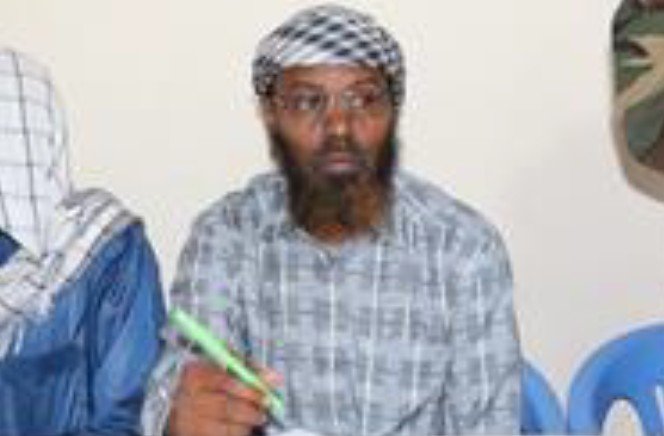
The January 2026 list identified key Al-Shabaab figures accused of financing, administering, and enforcing the group’s activities. Among those named were Hussein Ali Fidow (alias Hussein Danyile), described as a senior figure involved in political strategy and inciting clan conflict; Abdullahi Hassan Ato Qosoble (alias Abdullahi Wadaad) alongside Mohamed Yare, identified as the group’s chief judge issuing rulings to intimidate civilians; and Yasin Weheliye (alias Yakye “the Mufti”), accused of providing ideological justification for attacks and supporting recruitment and financing. Additional names included Abdullahi Tahliil Hirey (alias Jeeri) for weapons procurement and logistics; Bashir Abdirahman Handule (alias Bashir Guled/Furqan) as a senior military commander; and Abdullahi Moalim Gediw and Yusuf Sheikh Ise Ahmed (Kaba Kutukade) for involvement in extortion networks. The government has since published additional lists targeting individuals involved in extortion schemes and forced collections from civilians and businesses.
The committee has warned financial institutions, business owners, and the public against engaging in any transactions with those named, as part of a broader strategy to freeze assets, block financial transactions, and restrict movement of designated individuals. The Office of the Attorney General has frozen approximately one million U.S. dollars following an investigation into nearly 3,500 bank accounts suspected of financing extremist groups. The Financial Reporting Center has intensified anti-money laundering enforcement across Somalia’s financial and professional sectors.
Al-Shabaab’s Revenue Plummets to Seven-Year Low
The sanctions campaign has yielded measurable results. Intelligence assessments reviewed by authorities estimate that the group’s total revenue for 2025 dropped to below $80 million, its lowest level in seven years. This represents a sharp decline compared to earlier periods when extortion and informal taxation systems generated higher returns. The militant network is facing mounting financial pressure following the deaths of senior operatives who managed the group’s economic operations, including Abdullahi Wadaad, identified as the group’s head of finance. Business communities in Mogadishu and other towns are increasingly refusing to comply with Al-Shabaab’s payment demands, citing government crackdowns and stricter legal enforcement. A coordinated national strategy has resulted in the deactivation of 575 mobile phone numbers used by Al-Shabaab for extortion and threats, the freezing of 21 bank accounts, and the shutdown of 88 merchant accounts used to launder funds.
The financial squeeze is reportedly affecting the group’s internal structure. Monthly payments to fighters have been reduced to below $80, a development viewed as a sign of deepening fiscal strain. The Federal Government maintains that weakening the group’s financial backbone remains central to its broader strategy to restore stability and strengthen national security across Somalia, complementing ongoing military operations led by the Somali National Army and allied forces.
However, challenges remain significant. A United Nations panel of experts monitoring compliance with sanctions on Somalia found evidence that Al-Shabaab operatives had stored and transferred money through accounts operated by Salaam Somali Bank. The report documented that the group generated approximately $13 million in revenue during a nine-month reporting period, including $2.4 million from checkpoints in Lower Juba and $5.8 million from charging businesses in Kismayo. The panel warned that Al-Shabaab has diversified its funding streams, expanding from strictly cash transactions into utilizing bank accounts and electronic mobile services to save, transfer, and invest money.
Military Operations Intensify Alongside Financial Campaign
The financial offensive against Al-Shabaab has been matched by sustained military pressure across multiple fronts. The Somali National Armed Forces, with tactical support from international partners, conducted a 72-hour operation in the Buulo Cabdalla corridor of Lower Shabelle, resulting in the death of 22 Al-Shabaab militants, including regional commander Cabdiraxmaan Jeeri. The operation involved coordinated ground assaults and precision aerial bombardments.
In late March, SNAF forces operating alongside Ugandan peacekeepers repelled a major militant offensive targeting the strategic town of Mubarak, killing more than 40 Al-Shabaab fighters. The African Union Support and Stabilization Mission in Somalia (AUSSOM) Force Commander, Lt. Gen. Sam Kavuma, stated that the mission continues counter-terrorism operations throughout its areas of responsibility in south-central Somalia. “AUSSOM troops will continue to support the Somali Security Forces to dismantle the terrorists and their networks until they are fully cleared. Somalia deserves lasting peace and stability,” Kavuma said.
Somali security forces, supported by international partners, struck key militant strongholds in the Bay, Middle Juba, and Lower Shabelle regions, involving elite Danab commandos and airstrikes that targeted the group’s leadership and infrastructure. The Defense Ministry reported that large-scale operations were conducted alongside Jubaland security forces, dealing a “major blow” to the militant network. The Ministry of Defence has reaffirmed its commitment to sustaining operational pressure until what it describes as the remaining elements of Al-Shabaab are fully neutralized and national security is restored.
Defence Minister Ahmed Moallim Fiqi has announced that the Federal Government will intensify operations against militants while expanding stabilization efforts in newly recovered areas. “The government’s priority has shifted to consolidating military successes with stabilization,” Fiqi stated.
United States and International Partners Escalate Support
The United States has significantly intensified its military engagement against Al-Shabaab in 2026. U.S. Africa Command (AFRICOM) has conducted nearly 50 airstrikes against Al-Shabaab fighters during the first three months of 2026, a record-setting pace. The strikes, conducted in close coordination with the Somali federal government and local security forces, have targeted militant positions approximately 80 miles northwest of Kismayo and other strongholds across southern and central Somalia. “Alongside the Federal Government of Somalia and the Somali Armed Forces, our efforts continue to degrade Al-Shabaab’s capabilities,” an AFRICOM spokesperson said. The US military has long maintained a presence in Somalia, providing training, advice, and intelligence support to local forces battling extremist groups. In 2025, AFRICOM carried out approximately 125 strikes, surpassing the previous high of 63 recorded in 2019.
In April 2026, a US military airstrike killed six Al-Shabaab militants in the Golis Mountains, a known area for the group’s camps. The strikes have intensified in line with the Somali government’s renewed offensive, with AFRICOM noting that the airstrikes in the area have so far killed a total of 34 terrorists.
Turkey Deepens Security Partnership with Somalia
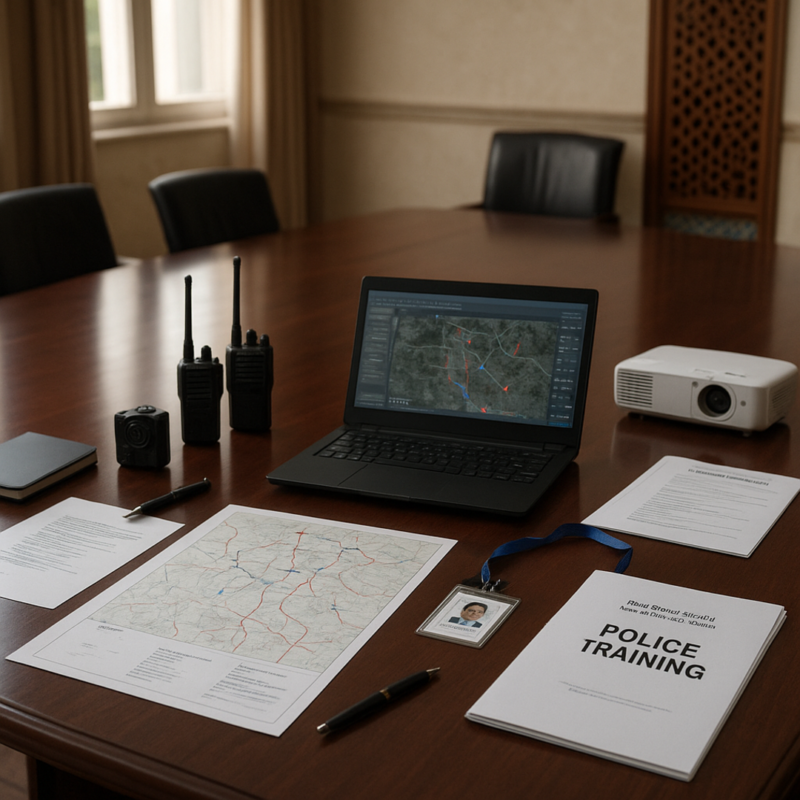
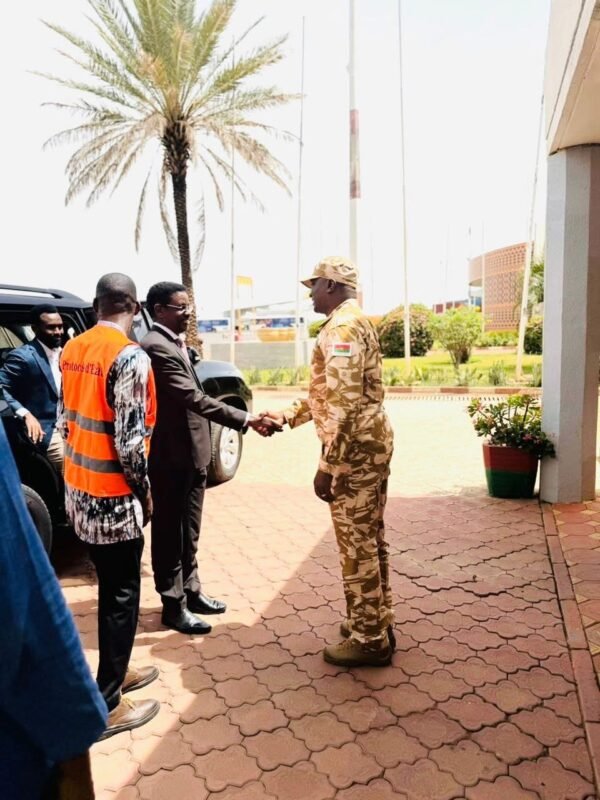
Somalia’s international security cooperation has expanded beyond traditional partners. The Somali Police Commissioner, Brigadier General Asad Osman Abdullahi, recently received a high-level military delegation from Turkey in Mogadishu, with discussions focused on strengthening security cooperation and expanding collaboration between the two countries. Discussions highlighted efforts to enhance training and professional development within the Somali Police Force, particularly the elite Haramcad unit, which plays a key role in counter-terrorism operations. Turkey, a close ally of Somalia, has been a major supporter of the country’s security sector, providing training, equipment, and infrastructure to help build the capacity of its armed forces. Officials indicated that Ankara is expected to take a more direct role among international partners supporting Somalia in its fight against Al-Shabaab.
Legal and Sanctions Framework Reinforced
Parallel to the military campaign, Somalia’s legal framework for counter-terrorism financing has been significantly strengthened. Finance Minister Bihi Egeh has presented a revised Anti-Money Laundering and Countering the Financing of Terrorism Act to parliament. President Hassan Sheikh Mohamud has signed into law the Revised Anti-Money Laundering and Counter-Terrorist Financing Bill, enhancing Somalia’s capacity to combat illicit financial activities and align with international standards. The National Anti-Money Laundering and Counter Financing Terrorism Committee, chaired by Minister Egeh, has emphasized that strengthening these efforts is essential for promoting peace, security, and stability in Somalia.
At the international level, the United Nations Security Council has maintained sustained pressure on Al-Shabaab. Resolution 2806, adopted unanimously in December 2025, renewed the mandate of the panel of experts assisting the Al-Shabaab Sanctions Committee until December 31, 2026. The resolution also renewed authorization for maritime interdiction to enforce the embargo on illicit arms imports, the charcoal export ban, and the IED components ban. Other measures of the sanctions regime targeting Al-Shabaab, including an arms embargo, travel ban and asset freeze, remain open-ended. The Council has also reaffirmed its commitment to monitoring compliance with these measures.
A Multi-Pronged Counter-Terrorism Campaign
The government’s approach has evolved into a multi-pronged campaign that integrates financial disruption, military operations, and international cooperation. Officials have stressed that both direct and indirect support for terrorism, including donations, logistical assistance, or money laundering, will result in prosecution under Somalia’s anti-terror and anti-money laundering laws. The government is expected to continue updating the sanctions list as part of sustained efforts to track and isolate individuals involved in financing and supporting terrorism, while military operations intensify across southern and central Somalia. The Federal Government maintains that weakening the group’s financial backbone remains central to its broader strategy to restore stability and strengthen national security across Somalia.
Recommended Reading on ftlsomalia.com:
- Somalia Issues Fresh Sanctions Against Top 8 Al-Shabaab Leaders
- Somalia Continues Squeezing Al-Shabaab’s Financial Infrastructure
- Somalia Freezes $1 Million After Probing 3,500 Terror-Linked Bank Accounts
- Somali Forces Kill 22 Al-Shabaab Militants, Including Commander, in Lower Shabelle
- US Carries Out Nearly 50 Airstrikes Against Al-Shabaab in First Quarter of 2026
- UN Security Council Unanimously Adopts Resolution Extending Al-Shabaab Sanctions Regime