
MOGADISHU – Somali government forces clashed overnight with militias loyal to former Minister of Internal Security Abdullahi Mohamed Nur, who is also the owner of the Elite Hotel on Lido Beach and a former advisor to President Hassan Sheikh Mohamud, as the federal government intensifies de-weaponization operations targeting opposition-allied armed groups in the capital and surrounding regions.
Former Internal Security Minister and presidential advisor Abdullahi Mohamed Nor accused government forces of raiding his Elite Hotel in Mogadishu on Saturday, claiming that the operation was intended to destroy the property and loot its contents rather than conduct a legitimate search. According to a widely circulated social media post by Nor, heavily armed troops entered the premises with advanced weaponry, including explosives and materials used for demolishing buildings. It is important to point out that he recently resigned from his position as advisor to the president due to “unaddressed serious political challenges.”
The confrontations come amid a widening security sweep that has disproportionately affected armed factions associated with two sub-Hawiye clans: the Murusade, linked to former Prime Minister Hassan Ali Khaire, and the Harti Abgaal, linked to former President Sharif Sheikh Ahmed, former Minister Abdullahi Mohamed Nur, and former Army Chief General Odowaa Yusuf Rageh.
Forces Attempt to Reach Harti Abgaal Clan Stronghold
According to local sources, the forces loyal to former Minister Abdullahi Mohamed Nur were attempting to move assets and personnel from Mogadishu to traditional Harti Abgaal clan territories in the Adale district of Middle Shabelle region. The convoy, consisting of up to eight battlewagons, departed from the Gubadley district in the Banadir region.
The movement was reportedly prompted by intelligence that Haramcad special police forces were preparing to conduct weapons searches in the area. Federal troops operating in southern Middle Shabelle were alerted to the convoy’s movement and established roadblocks near the villages of Ceel-Bashaqle and Qorilow, which fall under the Warsheekh district.
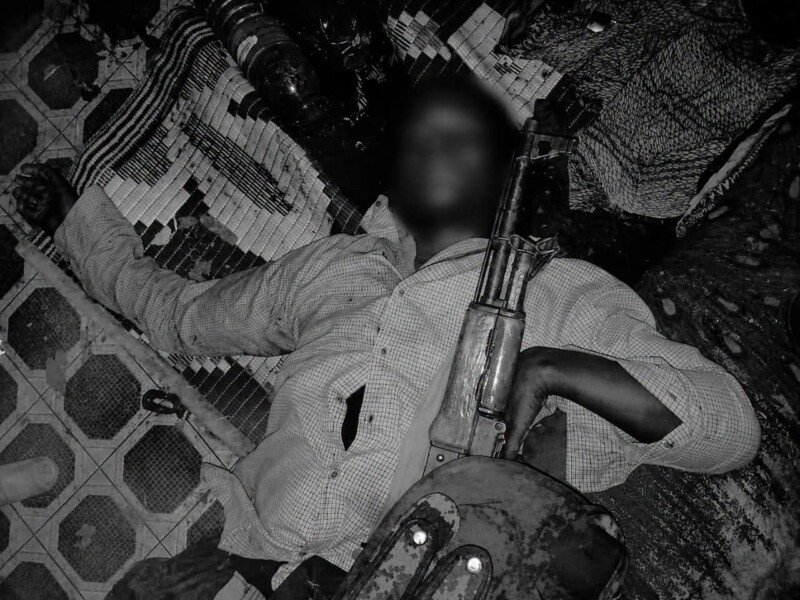
A brief exchange of fire occurred between the two sides in the Bashaqle area. Unconfirmed reports indicate that the opposition-aligned forces were ambushed, resulting in three vehicles being captured by government troops. However, it remains unclear how many of the former minister’s forces reached their destination.
Unverified reports suggest that some of the militias may have reached the Cadale district, while other accounts indicate they may have arrived in Raage Ceelle. The fate of the remaining vehicles and personnel remains unknown. Neither the Somali National Army leadership nor the Banadir Regional Police Command has issued an official statement regarding the latest operation.
Targeted Clan Dynamics in De-Weaponization Campaign
The de-weaponization operations have predominantly targeted armed groups affiliated with two sub-clans of the larger Hawiye clan family. The Murusade clan, represented by former Prime Minister Hassan Ali Khaire, has seen its forces disarmed following clashes in the Howlwadaag district. The Harti Abgaal clan, represented by former President Sharif Sheikh Ahmed, former Minister Abdullahi Mohamed Nur, and former Army Chief General Odowaa Yusuf Rageh, has been the focus of operations in the Abdiaziz district and the recent interdiction of the convoy attempting to reach Adale.
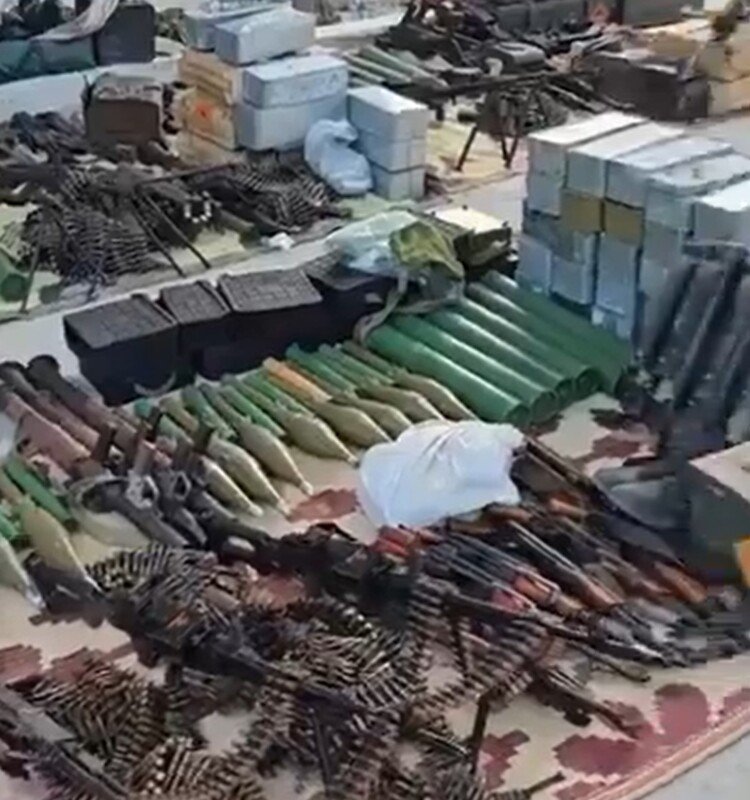
Somali police seized six vehicles and weapons during clashes with troops loyal to former President Sharif Sheikh Ahmed in the Marinayo area of Mogadishu, a day after he left following mediation efforts by the United States and Turkey to defuse tensions over delayed elections. The Banaadir Regional Police Command confirmed that security forces recovered the vehicles and a cache of weapons from the Abdiaziz district, where the most intense fighting occurred earlier in the week.
Both former President Sharif Sheikh Ahmed and former Prime Minister Hassan Ali Khaire have now withdrawn from the strategic positions they had occupied during the height of the crisis, signaling a potential de-escalation after days of intense confrontations that saw heavy fighting across the capital.
Elite Hotel Raid and Broader Weapons Searches
On Saturday, security forces entered the Elite Hotel, owned by Abdullahi Mohamed Nor, as part of a broader weapons collection operation. Witnesses reported hearing heavy gunfire and explosions as troops entered the hotel compound, disarmed the hotel’s guards, and launched extensive searches inside the building. Parts of the hotel’s seaside wall were reportedly demolished to facilitate the operation.
According to local sources, the operation was linked to suspicions that weapons belonging to opposition groups were being stored inside the hotel. Reports specifically mentioned individuals affiliated with former President Sharif Sheikh Ahmed. Security forces were also said to have broken open several hotel room doors while searching the premises for hidden weapons and military equipment.
The Banaadir Regional Police Command also announced that forces loyal to former President Sharif Sheikh Ahmed, who had been engaged in fighting in the Abdiaziz district, had hidden weapons in various locations throughout the district and presented some of the recovered weapons, allegedly.
Opposition Alleges Plot Against Former Army Chief
Opposition leaders on Saturday accused security forces loyal to President Hassan Sheikh Mohamud of planning operations targeting former military chief General Odowaa Yusuf Rageh and other prominent opposition members, warning that such actions could deepen political tensions in the capital. The opposition alliance, known as the Somali Future Council, said it had received information indicating that members of the Somali National Army and intelligence services were involved in plans aimed at General Odowaa, private residences, businesses, and well-known opposition figures in Mogadishu.
General Odowaa Yusuf Rageh served as the Chief of Defence Forces of Somalia from November 2024 to January 2026. During his tenure, he presided over the graduation of new cadet officers at the Balidogle Academy and led frontline operations in Lower Shabelle. In January 2026, Somalia’s Council of Ministers appointed Brigadier General Ibrahim Mohamed Mohamud as the new Commander of the Somali National Army, replacing Major General Odowaa Yusuf Rageh.
The Somali Salvation Forum expressed concern over reports that the residence of former Somali National Army Commander General Odowaa Yusuf Rage could also be targeted, warning that such actions risk worsening the already fragile political and security situation in Mogadishu.
The severe political crisis escalated after hours of heavy fighting around the Mogadishu residences of former prime minister Hassan Ali Khaire and former president Sharif Sheikh Ahmed earlier this week, sparking fears of wider conflict. Defense Minister Ahmed Moalim Fiqi accused the opposition figures of orchestrating an armed coup attempt.
Political Context of the Clashes
The violence occurred amid escalating tensions regarding Somalia’s electoral process, constitutional amendments, and the nation’s political direction. The standoff drew direct comparisons to the 2021 crisis, when Mogadishu endured confrontations between competing security forces over a previous term-extension dispute.
The Federal Government of Somalia extended its mandate for one year under the newly adopted constitution, a move that opposition figures and several federal member states have rejected as lacking national consensus.
International Concern and Mediation
The situation has drawn concern from the United Nations, regional bodies, and international entities, all of which called on all parties to address their differences through dialogue.
International partners including the UN, African Union, EU, IGAD, the United States, and the United Kingdom have urged renewed dialogue between the Somali government and opposition groups. The United States delivered one of its most explicit public statements against the use of force on political protesters in Somalia.
Following mediation that helped reduce tensions between the government and opposition figures, Mogadishu was mostly peaceful. Nevertheless, security personnel continue to maintain heightened deployment in numerous areas across the capital.
Puntland leader Said Abdullahi Deni has accused President Mohamud of breaking the country apart, stating that the federal government’s actions have systematically dismantled the federal system and undermined the power-sharing arrangements that form the basis of Somalia’s post-conflict governance structure.
The government has not publicly commented on the latest mediation proposals. The political dispute comes amid growing international calls for dialogue between Somalia’s government and opposition leaders to prevent further instability.
Recommended Reading On ftlsomalia.com:
- Former Internal Security Minister and Presidential Advisor Abdullahi Mohamed Nor Accuses Government Forces of Raiding His Elite Hotel in Mogadishu
- Somali Police Seize Six Vehicles and Weapons in Marinayo After Sharif’s Departure Following U.S.-Turkey Mediation
- Opposition Alleges Plot Against Former Army Chief, Warns of Escalation
- Turkey Joins Mediation Efforts as Former President’s Move Away from Marinayo Signals Potential De-escalation
- Somalia Government Extends Mandate for One Year Under New Constitution
- Opposition Warns Against ‘Red Lines’ on Term Extension and Disputed Elections
- International Community Urges Renewed Dialogue Between Somali Government and Opposition Groups
- Deni Accuses Hassan Sheikh of ‘Breaking the Country Apart’ as Puntland Leader Departs Mogadishu
- Federal Government Blames Jubbaland Leader for Beled-Hawo Clashes
- Somali Minister Accuses Former Leaders of Coup Attempt After Mogadishu Clashes