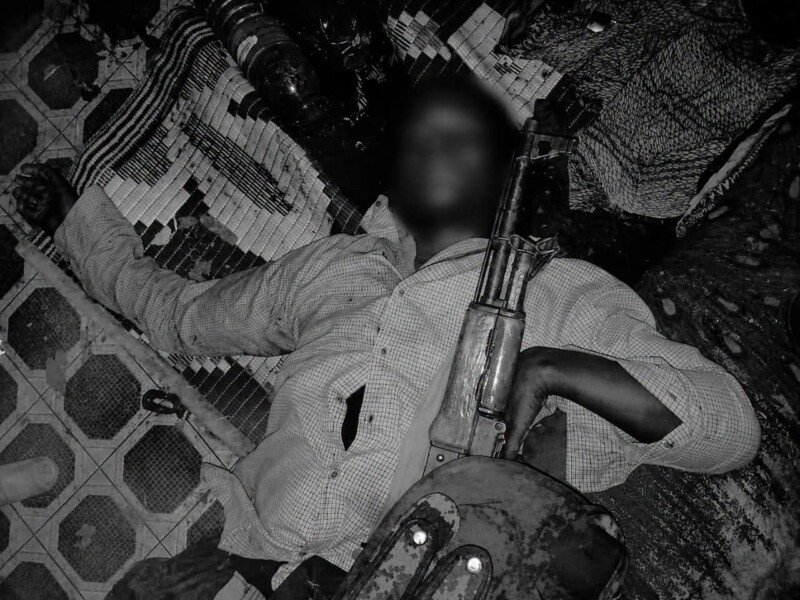

MOGADISHU – A wave of violent clashes erupted in Somalia’s capital this past week, leaving a trail of devastation and sparking serious allegations from the country’s opposition leaders. The fighting, which began on Wednesday and persisted through Thursday, resulted in nearly two dozen deaths and left approximately 200 people wounded.
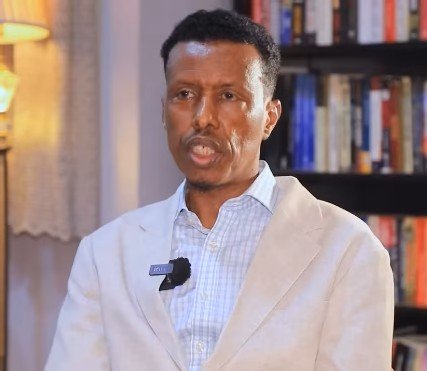
Amid the chaos, prominent opposition figures have accused the federal government of deploying drones against them. Former Prime Minister Hassan Ali Khaire reported that federal government troops launched an attack on a compound where he was meeting with traditional leaders in the Howlwadaag district. Following the initial assault, his forces engaged in fierce gun battles with troops loyal to the incumbent president. Khaire alleged that, alongside mortar fire, drones operated by the Federal Government of Somalia were used in the attack. He stated the attack was a deliberate attempt to kill him, along with 60 clan leaders and intellectuals who were gathered to discuss methods for preventing further violence and establishing a framework for mediation to resolve the ongoing political stalemate. Khaire did not specifically name Turkey as the source of the drones, only that all FGS drones were used against him.
Turkey’s Mediation Efforts and MIT Arrival
Turkey has increased its diplomatic efforts to alleviate Somalia’s growing political tensions, as a Turkish delegation has conducted separate meetings in Mogadishu with federal government officials and opposition leaders following recent clashes in the capital. The delegation, reported to consist of diplomats and security officials, forms part of Ankara’s initiatives to foster dialogue between Somalia’s federal government and opposition politicians embroiled in disagreements about electoral arrangements, constitutional reforms, and the nation’s political trajectory.
Unconfirmed reports from sources at Mogadishu’s Aden Adde International Airport suggest that the Head of Turkey’s National Intelligence Organization (MIT) arrived in the Somali capital on the morning of Thursday, June 4. The reports, which remain unverified by official sources on either side, fueled speculation about Ankara’s eagerness to broker a ceasefire between the federal government and opposition forces. If confirmed, the arrival of the MIT chief would represent a significant escalation in Turkey’s diplomatic engagement, moving beyond back-channel communications to direct, on-the-ground mediation.
Diplomatic sources with knowledge of the discussions indicated that Turkey’s National Intelligence Organization (MIT) personnel participated in the talks, though neither the Turkish government nor Somali officials have publicly verified the delegation’s composition or the specifics of the meetings. Sources involved in the negotiations revealed that Turkish officials have met with former President Sharif Sheikh Ahmed at his residence in the capital as part of attempts to mitigate tensions and promote direct political discussions between the opposing parties.
Opposition’s Careful Stance Toward Turkey
Despite the allegations against the federal government, opposition leaders have been careful not to alienate Turkey, which remains one of Somalia’s most influential international partners. According to Abdi Aynte, the Turkish ambassador has met and continues to meet with opposition leaders. Members of the opposition have reportedly asked Turkey to remain neutral in the conflict and to stay on an apolitical track when it comes to Somalia.
This cautious approach reflects the recognition within opposition circles that Turkey has invested heavily in Somalia’s infrastructure, humanitarian aid, state-building programs, and security sector training over the past decade. Ankara’s enduring relationships with both the federal government and multiple political actors position it uniquely as a potential mediator. Opposition figures have privately expressed hope that Turkey can exert pressure on President Mohamud to return to negotiations without taking sides.
Accusations of Turkish Drone Strikes and Destroyed Military Vehicles
While opposition leaders have been careful in their public statements about Turkey, some figures have made allegations about the use of Turkish-supplied equipment. Opposition figure Abdirahman Abdishakur claimed that Turkey is directly involved in Somalia’s political crisis, asserting that Ankara is standing firmly behind President Hassan Sheikh Mohamud amid the deadlock over delayed elections. Abdishakur further alleged that weaponry provided by Turkey for the fight against Al-Shabaab, specifically drones, is being repurposed for use against the political opposition.
Similar sentiments were echoed on Saturday by Yusuf Gama’adiid, a spokesman for the Himilo party of former President Sharif Sheikh Ahmed. Gama’adiid accused Turkey of “blindly” supporting President Hassan Sheikh Mohamud, alleging that the country’s involvement seeks the complete “destruction of Somalia.” He noted that while Turkey’s reputation in the Horn of Africa nation was once towering, it is now significantly weakening due to the conflict.
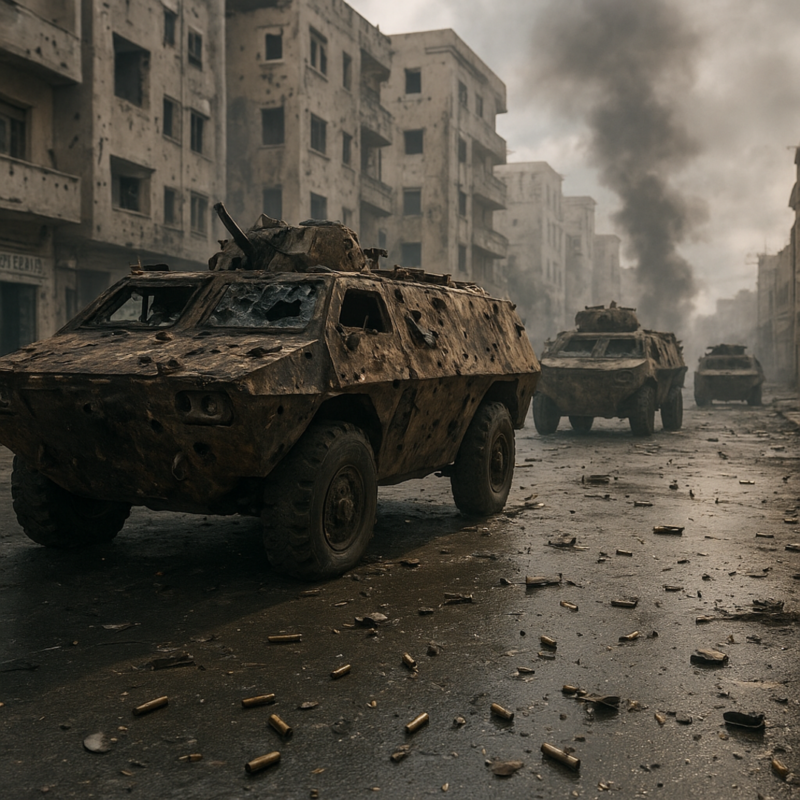
The severity of the clashes was evidenced on Thursday when opposition forces displayed Turkish-donated armored Somali army vehicles that had been destroyed during the overnight fighting on Wednesday. Videos circulating on social media appeared to show damaged military equipment and burned vehicles following the confrontation.
Assassination Attempt Allegations During Mediated Withdrawal
Furthermore, Gama’adiid described an incident on Friday involving former President Sharif Sheikh Ahmed. According to the spokesman, as Ahmed was vacating his base in the Marinayo neighborhood under the auspices of international diplomatic mediation, his convoy was stopped by federal government troops. Gama’adiid characterized this encounter as a targeted assassination attempt, suggesting that foreign governments were involved in the coordination of the act, with specific accusations directed toward Ankara.
Turkey’s Expanding Military Footprint and Previous Concerns
Turkey has been one of Somalia’s most consistent security partners over the past decade, providing comprehensive military training, equipment, and capacity-building support. The TURKSOM Military Academy in Mogadishu, established in 2017 with Turkish support, has trained thousands of Somali soldiers and officers. Somalia has taken delivery of T-129 attack helicopters and Bayraktar TB2 and Akinci aerial drones. Turkey has about 500 troops in Somalia to support the Somali military as of mid-2025.
These latest allegations follow previous concerns raised by regional administrations about Turkey’s role in Somalia’s internal disputes. In March, authorities in Somalia’s Southwest State accused Turkey of involvement in military operations in the region, alleging that Turkish-trained forces, equipment, and drones were used in actions against the administration. The speaker of South West state parliament expressed strong concern over reports that Turkish-made drones were used in fighting against regional administration forces, warning of a troubling shift in Ankara’s role in the Horn of Africa nation.
No Official Response from Turkey
To date, Turkey has provided no official comment regarding the recent allegations of drone strikes against opposition leaders. The growing anger stems from a broader question now being asked across Somalia: why is advanced military technology being deployed in internal political disputes instead of being focused entirely on the fight against Al-Shabaab, which continues to pose one of the gravest threats to the country’s survival?
Political Context of the Clashes
The violence occurred amid escalating tensions regarding Somalia’s electoral process, constitutional amendments, and the nation’s political direction. Opposition leaders have drawn sharp battle lines against what they describe as “illegitimate term extensions” and “disputed elections,” warning the government not to push the country into another cycle of political turmoil.
The federal government has previously maintained that ongoing security operations in Mogadishu are aimed at maintaining public order and addressing security threats, while opposition figures argue that the actions violate previous understandings intended to reduce tensions between political actors in the capital.
Recommended Reading On ftlsomalia.com:
- Turkey Mediates Somalia Political Tensions
- Somalia Government Seeks New Opposition Talks as Election Dispute Intensifies
- Turkey Moves to Fill Diplomatic Vacuum Amid Rumors of MIT Chief Visit
- Somali Minister Accuses Former Leaders of Coup Attempt After Mogadishu Clashes
- International Community Urges Renewed Dialogue Between Somali Government and Opposition Groups
- Somalia Government Extends Mandate for One Year Under New Constitution
- Opposition Warns Against ‘Red Lines’ on Term Extension and Disputed Elections