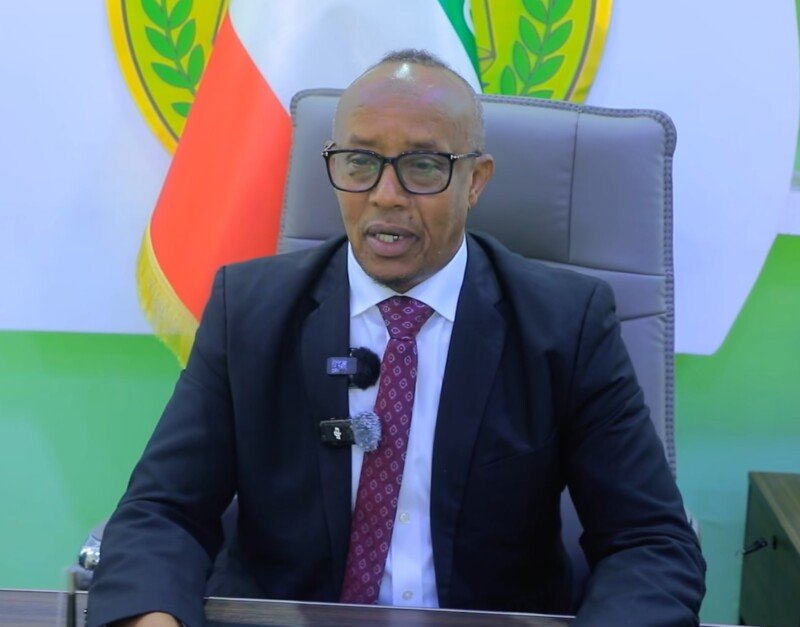

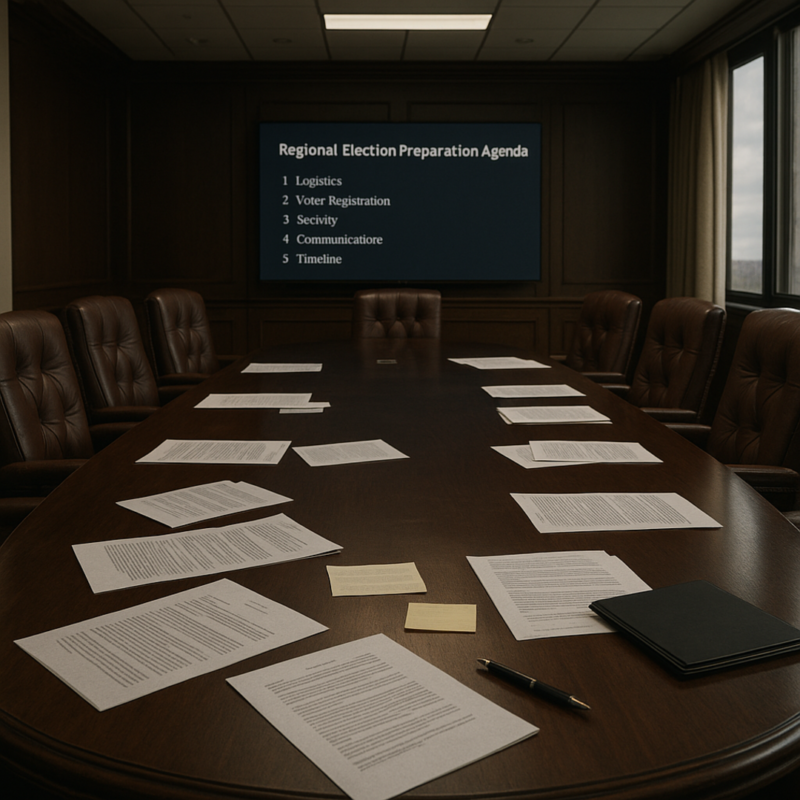
JOWHAR — The Council of Ministers of Hirshabelle State, under the leadership of President Ali Hussein Guudlaawe, convened to discuss preparations for the upcoming regional elections and review key sectoral developments.
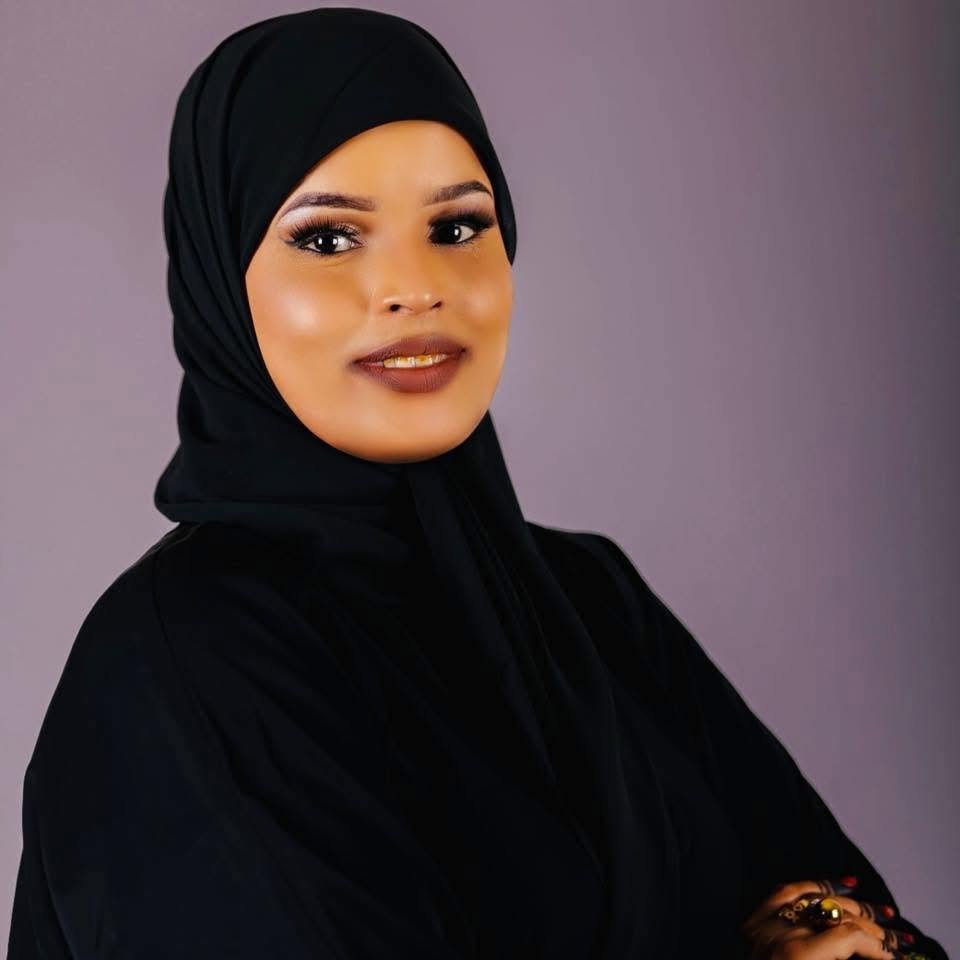
During the session, Ismail Hassan Nur was appointed as Minister of Planning, and Ahmed Bariise Heydar was selected as Deputy Minister of Interior. Ministers from various departments including Interior, Security, Humanitarian Affairs, Agriculture, Religious Affairs, and Communications provided updates on recent developments in their respective sectors.
Electoral Preparations Underway
The meeting comes as Hirshabelle State continues its preparations for historic one-person, one-vote local elections. In July 2025, President Guudlaawe officially launched voter registration for what he declared the region’s first-ever universal suffrage local elections, marking a bold step away from Somalia’s long-standing clan-based power-sharing system.
“This is a proud day for the people of Hirshabelle. For the first time, every eligible citizen will have a voice and a vote in determining their local leaders,” President Guudlaawe stated during the launch. The voter registration exercise, supervised by the regional electoral commission and supported by federal institutions, is expected to expand across other Hirshabelle districts in the coming weeks.
Flood Preparedness and Humanitarian Concerns
The Ministry of Humanitarian Affairs and Disaster Management highlighted the potential for heavy rainfall and flooding, calling for readiness measures to address possible consequences.
The Jowhar Offstream Storage Programme (JOSP) project was relaunched in Hirshabelle State to tackle the twin challenges of floods and drought. The $140 million climate resilience initiative involves the rehabilitation of a huge irrigation scheme and will reach more than 1.5 million people in Hirshabelle by reducing the risk of floods while mitigating drought and its subsequent effects.
In November 2025, an advance delegation arrived in Jowhar ahead of the Country Humanitarian Forum, which brought together representatives from the Federal Government, Hirshabelle authorities, humanitarian agencies, and civil society. The forum focused on coordinated responses to the region’s worsening humanitarian situation, including community resilience and early warning systems.
Security Briefings and Anti-Terror Operations
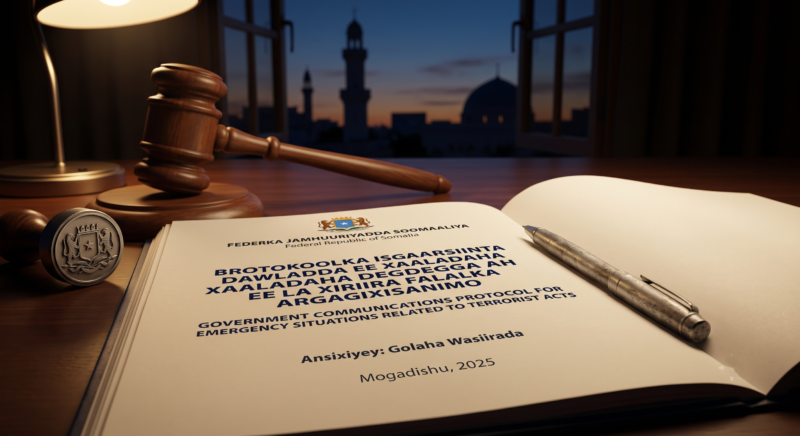
Security officials presented updates on the stabilization of areas recently liberated from Al-Shabaab control, emphasizing that improved security is a prerequisite for successful elections.
President Guudlaawe visited the frontlines to assess ongoing operations against terrorist groups, praising the efforts of the Somali National Army and local militias for their bravery and commitment. He emphasized that Hirshabelle State must not become a safe haven for terrorists and reiterated the importance of unity and collaboration among security forces and local communities.
President Hassan Sheikh Mohamud arrived in Hirshabelle to mobilize ongoing operations against extremist groups, underscoring the federal government’s dedication to military operations and the stabilization of liberated regions in the fight against Al-Shabaab.
The Somali National Army, in close collaboration with local self-defense units, dealt a decisive blow to extremist militants in coordinated operations across Hirshabelle and Galmudug, resulting in the elimination of more than ten militants. The joint operations targeted known militant hideouts and supply routes, disrupting the group’s ability to regroup and launch further attacks.
Institutional Capacity and Governance Reforms
The appointment of Ismail Hassan Nur as Minister of Planning signals a focus on strengthening institutional frameworks for development planning and resource management. Meanwhile, Ahmed Bariise Heydar’s appointment as Deputy Minister of Interior is expected to bolster internal security coordination within the Hirshabelle administration.
Hirshabelle State, formed in 2016 by uniting the Hiiraan and Middle Shabelle regions, has faced enduring challenges including political infighting, weak governance institutions, and limited revenue collection. Observers note that persistent clan-based power imbalances and manipulation by national actors have deepened Hirshabelle’s vulnerabilities, making electoral reform and institutional strengthening critical priorities.
Public Health and Community Resilience
The National Malaria Control Programme, in partnership with Somalia’s Federal Ministry of Health and Hirshabelle State’s health ministry, launched an urgent campaign in Jowhar to tackle malaria and other mosquito-borne illnesses. The initiative included Indoor Residual Spraying across public health facilities and internally displaced persons camps, where overcrowding and poor living conditions make residents especially vulnerable.
Commitment to Democratic Processes
The Hirshabelle administration has reaffirmed its dedication to conducting free and fair elections in accordance with the state’s constitutional framework. Officials emphasized that the electoral process will be inclusive, allowing citizens to choose their representatives through a transparent system.
President Guudlaawe called on all stakeholders, including civil society and international partners, to support the electoral process and contribute to the stabilization of the region.
As Hirshabelle continues to recover from years of conflict and instability, the successful completion of regional elections would mark a significant milestone in the state’s journey toward durable peace and democratic governance. Authorities describe the electoral process as critical for building public trust, deepening federalism, and laying the foundation for accountable leadership at the grassroots level.