
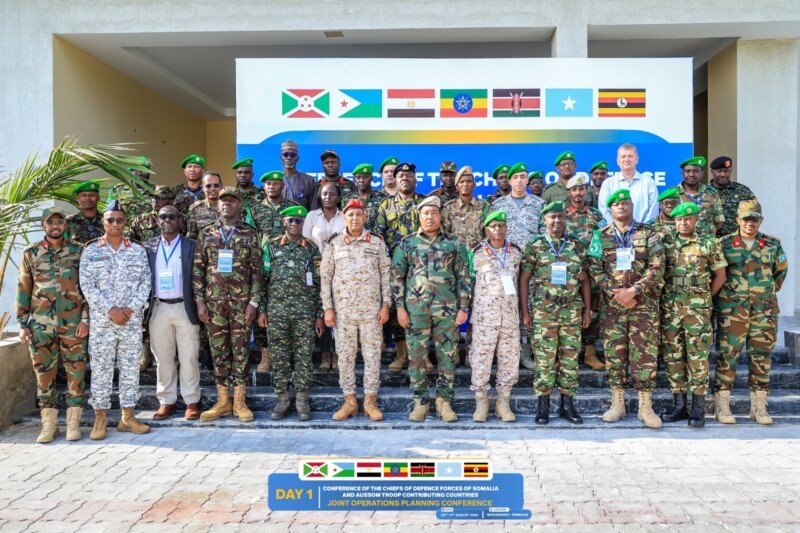
MOGADISHU — The Military Experts Meeting of countries contributing troops to the African Union Support and Stabilization Mission in Somalia (AUSSOM) officially opened in Mogadishu on Monday, August 3, 2026, as part of preparations for an upcoming meeting of Defence Chiefs and efforts to accelerate operations against Al-Shabaab.
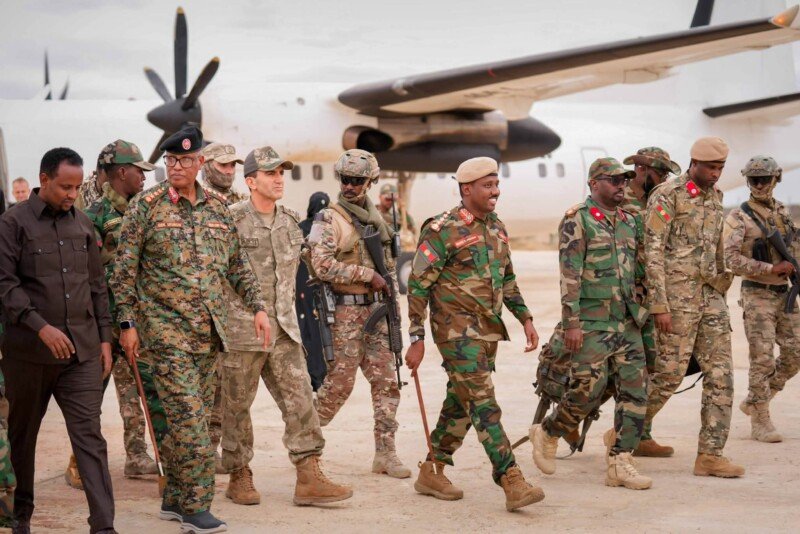
The meeting, held at the AUSSOM Force Headquarters in the capital, brings together military experts from troop-contributing countries to develop a joint action plan for implementing the decisions reached during the Extraordinary Summit of AUSSOM Troop-Contributing Countries, which was recently held in Kampala, Uganda. The experts are discussing ways to accelerate operations against Al-Shabaab, strengthen intelligence sharing, and improve coordination of military capabilities and resources among forces participating in the mission.
Chairman of the Military Experts Committee, Major General Mohamed Ali Bariise, said the proposed plan will strengthen cooperation between the Somali National Army and AUSSOM forces in the fight against Al-Shabaab and will also enhance security in Somalia and the wider region. The plan prepared by the military experts will be presented to Defence Force Commanders for review and approval, and is expected to serve as a framework for the next phase of operations aimed at strengthening security and stability in Somalia and the region.
Background: The Kampala Summit and AUSSOM’s Future
The Mogadishu experts meeting follows the Extraordinary Summit of Heads of State and Government of Troop-Contributing Countries to AUSSOM, held on Friday, July 31, 2026, in Kampala. The summit brought together leaders and senior officials from Somalia, Uganda, Burundi, Djibouti, Ethiopia, Kenya, and Egypt, alongside representatives from the African Union, IGAD, and the United Nations.
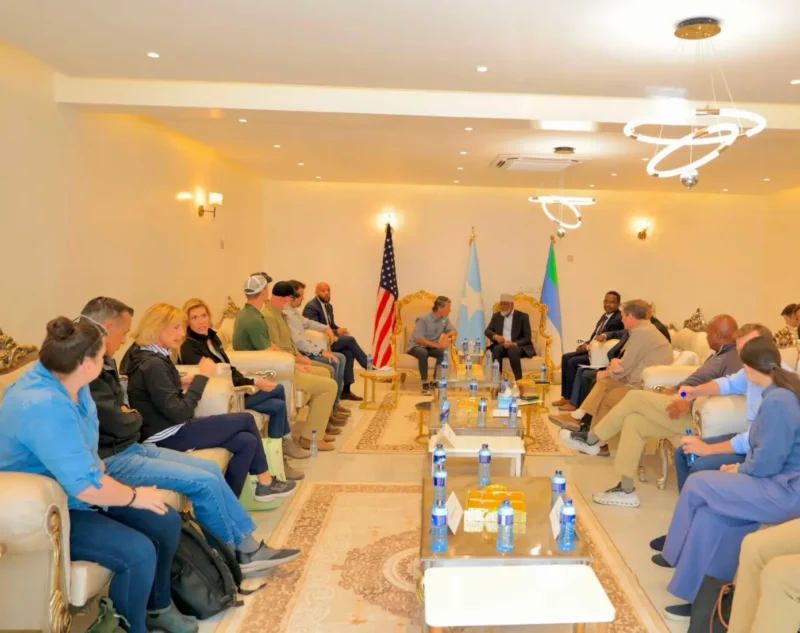
The Kampala summit was convened amid growing uncertainty over the future financing of AUSSOM after the United States informed the African Union on July 1, 2026, that it would not support the renewal of the mission’s mandate when it comes before the United Nations Security Council in December. Washington’s decision to end financial support to the United Nations Support Office in Somalia (UNSOS), which has a budget of approximately $500 million, has raised concerns about the mission’s ability to sustain operations beyond 2026.
At the Kampala summit, troop-contributing countries urged the UN Security Council to maintain logistical and operational support for the mission for an additional 18 to 24 months, warning that an early withdrawal could undermine security gains and delay the transfer of responsibilities to Somali forces. The summit also called for the implementation of a coordinated and gradual withdrawal of the AU mission while emphasizing the need for continued support mechanisms under a UN mandate.
Ugandan President Yoweri Museveni, who chaired the summit, called on African countries to take greater responsibility for securing peace and stability in Somalia, while leaders reaffirmed their determination to extend the mission’s existence despite threats to its logistical support.
Key Objectives of the Mogadishu Experts Meeting
The Military Experts Meeting in Mogadishu is focused on translating the political commitments made in Kampala into operational reality. The experts are working on:
- Preparing a joint action plan to accelerate military operations against Al-Shabaab
- Strengthening intelligence sharing among troop-contributing countries
- Improving coordination of military capabilities and resources
- Enhancing cooperation between the Somali National Army and AUSSOM forces
Major General Bariise emphasized that the plan will serve as a roadmap for the next phase of operations, with the goal of weakening the militant group’s capabilities and consolidating security gains across Somalia.
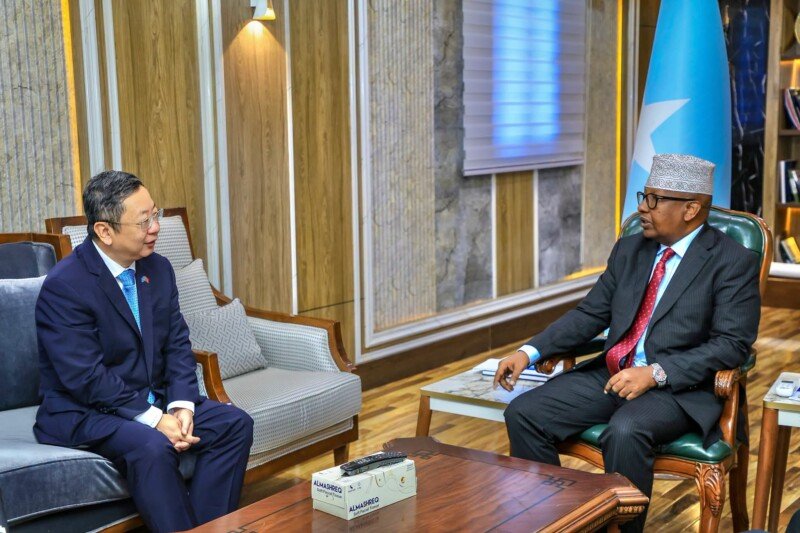
The Mogadishu meeting is also taking place against the backdrop of broader diplomatic engagement on Somalia’s security transition. Defence Minister Ahmed Moallim Fiqi held talks with Chinese Ambassador Wang Yu, focusing on defence cooperation, the campaign against Al-Shabaab, and the future of AUSSOM. China has been a longstanding diplomatic partner of Somalia, supporting reconstruction, infrastructure projects, and consistently backing Mogadishu’s position on sovereignty and territorial integrity in international forums.
Critical Note
While the Military Experts Meeting in Mogadishu represents a concrete step toward operationalizing the Kampala summit’s decisions, the broader context of AUSSOM’s future remains deeply uncertain. The US decision to end support for UNSOS, combined with the mission’s reliance on international funding, raises serious questions about the sustainability of the current military campaign against Al-Shabaab. The troop-contributing countries’ request for an 18- to 24-month extension of UN logistical support reflects a recognition that Somali forces are not yet prepared to assume full security responsibilities. However, the gap between political commitments and operational reality remains wide. The experts’ plan, while necessary, will only be as effective as the resources and political will available to implement it. Furthermore, the summit’s final communiqué reportedly faced objections from President Hassan Sheikh Mohamud over provisions related to Somalia’s internal political affairs, highlighting the tensions between national sovereignty and the international community’s expectations of governance reform. The government would be well advised to ensure that security planning is accompanied by genuine progress in building accountable, effective institutions that can sustain security gains beyond the AU mission’s departure. Without such progress, the current military momentum risks being temporary, and the sacrifices of Somali and African troops may not translate into lasting peace.
Recommended Reading On ftlsomalia.com
- Somalia, African Union Mission Fast-Track Security Transition
- AUSSOM Meets to Strengthen Security Support for Somalia
- SNA Commander Meets AUSSOM Leadership to Discuss Security Transition and Counter-Terrorism
- Somali Army Chief Reviews Security Transition
- Egyptian Military Delegation Lands in Mogadishu Ahead of AUSSOM Deployment
- Top AUSSOM Commanders Conduct Security Assessment at Bulo-Burde