
MOGADISHU – The Federal Government of Somalia claims to have successfully deterred at least six countries from formally recognising Somaliland, in what officials describe as a diplomatic victory against a concerted campaign by Israel and the United Arab Emirates to secure international legitimacy for the breakaway region.
State Minister for Foreign Affairs Ali Mohamed Omar (Cali Balcad) told local media that Mogadishu’s diplomatic efforts had prevented a potential cascade of recognitions that could have followed Israel’s landmark decision in December 2025, when it became the first UN member state to formally recognise Somaliland as an independent sovereign state. According to Balcad, several nations had been considering recognition, but Somalia’s sustained diplomatic outreach convinced them to withhold formal endorsement.
“We have been working to ensure that Somaliland is not recognised. Many countries were considering the matter, but the efforts of the Ministry of Foreign Affairs and the national leadership led to them not joining,” Balcad said. He cited Guinea-Bissau as an example, noting that the West African nation recently denied reports that it was preparing to recognise Somaliland.
A Campaign of Influence and Pressure
Balcad accused Israel and the UAE of leading a coordinated campaign to persuade other nations to recognise Somaliland, leveraging diplomatic and financial resources to advance the secessionist agenda. “They have approached many countries and are spending a lot of money. We are closely monitoring and working to counter these efforts,” he stated.
The Somali government has previously alleged that the UAE launched a diplomatic initiative encouraging four additional countries—Eswatini, Argentina, the Dominican Republic, and Zambia—to extend formal recognition to Somaliland. According to unnamed Somali officials, Emirati officials were engaging with these nations, with Eswatini and Argentina considered the most likely to move toward recognition. The sources further alleged that the UAE offered financial incentives to Eswatini in exchange for recognition.
The claim echoes statements made by Somaliland President Abdirahman Mohamed Abdullahi Irro, who said in June 2026 that “several countries” were considering recognising the self-declared republic following Israel’s lead, though he declined to name them. President Irro has reiterated his determination to secure long-sought international recognition, pledging to make it a cornerstone of his presidency and declaring that Somaliland’s three-decade quest for recognition was nearing a decisive stage. Irro also acknowledged maintaining diplomatic channels with the United States, Ethiopia, Kenya and the UAE.
Somaliland celebrated its 35th independence anniversary in Hargeisa in May 2026, with President Irro using the occasion to describe Somaliland as a “neighbouring country” to Somalia and urging the international community to avoid merging political systems he described as incompatible. The celebrations came nearly six months after Israel’s recognition, which drew sharp condemnation from the Federal Government of Somalia.
The Gulf Factor and Regional Tensions
The UAE’s role in the recognition campaign has been a particular source of tension. The UAE has welcomed Somaliland’s president with elevated protocol during visits to Dubai, extending distinguished reception arrangements that officials note demonstrate the significance of the occasion. UAE-based logistics giant DP World has invested approximately $442 million in the development of the Port of Berbera, a project central to Somaliland’s economic roadmap, and has unveiled a new maritime corridor connecting Jebel Ali Port with Berbera.
President Irro’s visits to the UAE have come amid continuing tensions between the UAE and Somalia’s central government. On January 12, 2026, Somalia’s Council of Ministers officially announced the termination of all bilateral agreements with the UAE, nullifying defense, security, and port cooperation pacts, citing “strong evidence” of actions detrimental to Somalia’s national unity. The crisis was ignited on December 26, 2025, when Israel became the first UN member state to officially recognise Somaliland. Although the UAE formally rejected Israel’s move during an emergency Arab League summit, Somali officials remain deeply skeptical, pointing to the UAE’s long-term investment in Berbera and deep political ties with Hargeisa as the true catalyst for Israel’s decision.
Ethiopia has also edged closer to Somaliland recognition, with Getachew Reda, Advisor to Ethiopian Prime Minister Abiy Ahmed on East African Affairs, suggesting that Ethiopia may soon follow in recognising Somaliland’s sovereignty. He noted that U.S. recognition of Somaliland could trigger a domino effect among global and regional powers. Ethiopia and Somaliland signed a controversial Memorandum of Understanding in January 2024, which Ethiopia said included a framework for exploring formal recognition in exchange for access to Red Sea ports. The deal sparked outrage in Somalia, which considers Somaliland an integral part of its territory.
Israel’s Expanding Diplomatic Footprint
Somaliland has opened an embassy in Jerusalem, becoming only the second Muslim-majority entity to do so after Kosovo. The announcement was made by Somaliland’s newly appointed ambassador to Israel shortly after he presented his credentials to Israeli President Isaac Herzog. Israel has formally accepted Somaliland’s first ambassador and committed to establish a permanent diplomatic mission in Hargeisa. Somaliland has indicated it is prepared to offer Israel rights to valuable mineral deposits in exchange for technology and investment, reflecting the broad scope of the emerging partnership. Israel formally welcomed Somaliland’s first ambassador in early 2026, solidifying diplomatic ties between Tel Aviv and Hargeisa despite widespread international opposition.
Balcad himself has previously argued that recognising Somaliland would not deliver stability to the Horn of Africa but would instead entrench permanent division in Somalia and beyond. He has pointed to the eastern regions of Sool, Sanaag, and parts of Cayn (SSC), where local communities have rejected rule from Hargeisa and established the North Eastern administration, as well as growing political movements in Awdal that have increasingly questioned Hargeisa’s perceived monopoly over political and economic decision-making. He has warned that international recognition risks intensifying these challenges by encouraging zero-sum political calculations among communities that already feel excluded from decision-making processes.
A Fragile Victory
While Somalia’s diplomatic efforts may have prevented immediate recognition, the underlying challenge remains unresolved. IGAD has reiterated its backing for Somalia’s sovereignty, unity and territorial integrity, warning that any steps weakening Somalia’s sovereignty could increase tensions and harm peace and stability across the Horn of Africa. The African Union Peace and Security Council has rejected the unilateral recognition of Somaliland by Israel and called for its immediate revocation.
President Hassan Sheikh Mohamud has described Israel’s decision to recognise Somaliland as “one of the darkest days in Somalia’s history”, revealing that the federal government weighed military action as a potential response but ultimately chose dialogue and persuasion. He has cautioned that Tel Aviv’s recognition could import Middle East tensions into the Horn of Africa and warned that an Israeli presence could reignite conflict in parts of Somalia and neighbouring states.
The United States has reiterated that its policy toward Somalia remains unchanged, with a senior State Department official stating that Washington “continues to stand by its longstanding position on Somalia” and that no shift in policy is on the table at present. However, pressure from Republican lawmakers, most notably Senator Ted Cruz, continues to mount. Cruz has urged the Trump administration to recognise Somaliland, describing the breakaway territory as a “strategic partner” with significant value for both security and diplomatic engagement.
Way Forward
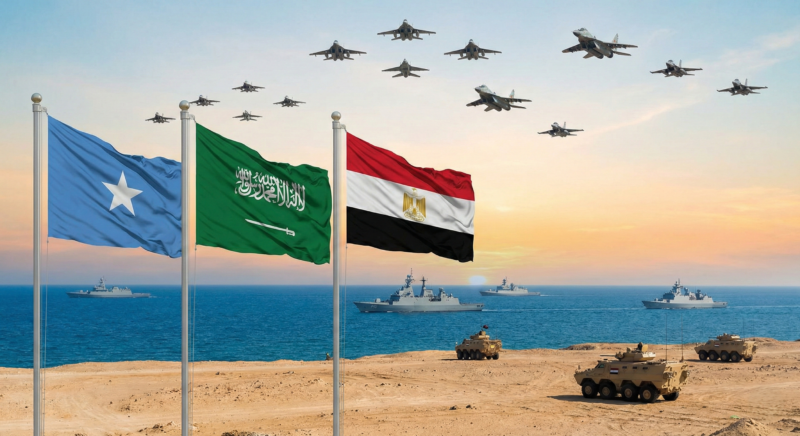
Somalia’s claim to have deterred six countries from recognising Somaliland is a testament to the effectiveness of its diplomatic engagement, but it is also a reminder of the fragility of its position. The UAE’s deep economic and security ties with Somaliland, combined with Israel’s determined campaign for recognition and Ethiopia’s strategic interest in Red Sea access, suggest that the pressure will not abate. Turkish President Recep Tayyip Erdogan has declared that his government will not recognise Israel’s decision, describing the move as a clear violation of Somalia’s sovereignty and territorial integrity. Somalia and Egypt have reached an agreement to enhance diplomatic cooperation against measures perceived as threatening national unity and territorial integrity, with both countries dismissing Israel’s purported recognition as an infringement upon Somalia’s internationally recognised boundaries.
DP World has continued to push for international recognition of Somaliland, despite appeals from the Somali government. However, no country has yet granted Somaliland official recognition, with diplomatic hesitancy driven by concerns over regional stability, respect for Somalia’s territorial integrity, and uncertainties about the legal and political precedents such recognition could set.
Mogadishu’s ability to sustain its diplomatic counter-offensive will depend on its credibility as a state, its capacity to deliver on governance and security, and the continued solidarity of its international partners. The recognition question is far from settled, and Somalia’s diplomats will need to remain vigilant.
Recommended Reading On ftlsomalia.com
-
- Israel Officially Recognizes Somaliland as Independent Sovereign State
- Somaliland Celebrates 35th Independence Anniversary in Hargeisa
- Ethiopia Edges Closer to Somaliland Recognition, Signals Strategic Shift
- Somali Government Accuses UAE of Lobbying Countries to Recognize Somaliland
- Somaliland Leader Visits UAE Amid Somalia-Abu Dhabi Tensions
- Somaliland to Open Jerusalem Embassy as Second Muslim Nation in Israel Deal
- IGAD Backs Somalia’s Integrity as Israel-Somaliland Ties Grow
- Somalia Weighed Military Action but Chose Dialogue After Israel’s Recognition
- DP World Pushes for International Recognition of Somaliland