
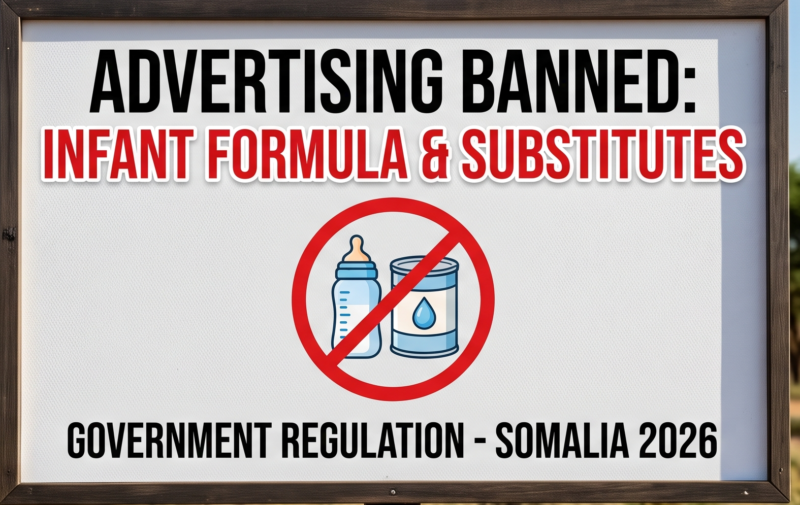
MOGADISHU — The Federal Government of Somalia, in partnership with UNICEF and the World Health Organization (WHO), has officially signed and launched the national Breast-milk Substitutes (BMS) Regulations, a landmark legal framework designed to strictly regulate the marketing and advertising of infant formula and other breast milk substitutes.
The regulations were formally adopted on Saturday during the national kickoff of World Breastfeeding Week 2026, observed from August 1 to 7 under the theme “Breastfeeding for a Sustainable Start in Life: Strengthen What Works.” The new rules mark a significant milestone in Somalia’s efforts to protect, promote, and support breastfeeding as a public health priority.
Government Bans Formula Advertising
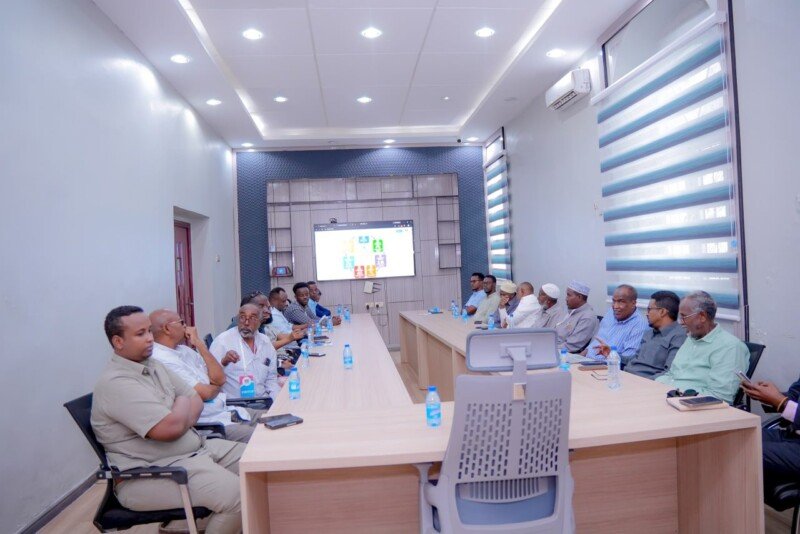
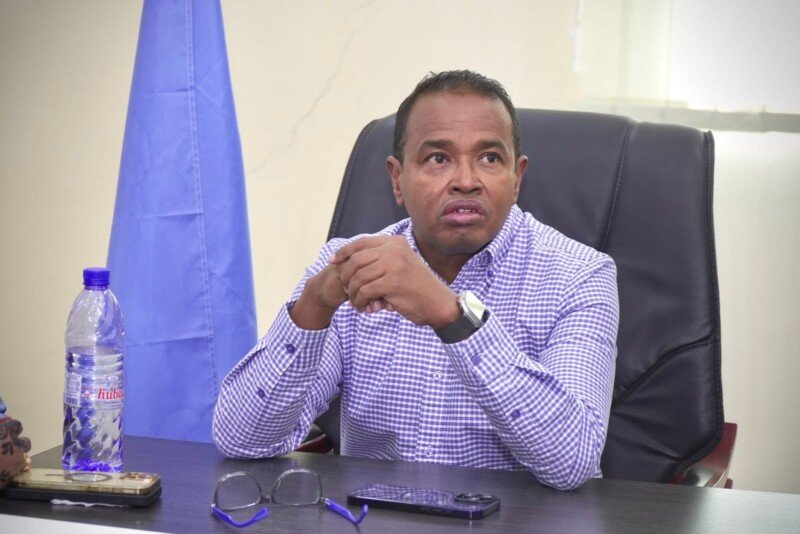
Health and Human Services Minister Ali Haji Aden, who presided over the launch ceremony, described breastfeeding as one of the most effective interventions for ensuring children survive, grow, and thrive. He confirmed that the government has banned all advertisements promoting breast milk substitutes.
“There is no milk that can replace breast milk, and we have banned advertisements promoting products that can be used as substitutes for breastfeeding,” Aden said at the event, which was attended by representatives of UN agencies, doctors, and community members.
The minister noted that the regulations had previously been incorporated into the country’s medicines law and approved by both chambers of Somalia’s Federal Parliament.
Low Breastfeeding Rates Prompt Urgent Action
The new regulations come amid concerning statistics on infant nutrition in Somalia. According to the Health Ministry, only 30 percent of Somali mothers exclusively breastfeed their children during the first six months of life, a figure that falls well below international recommendations. The government, UNICEF, and WHO have previously called for more support for breastfeeding mothers to address these gaps.
Health officials have warned that low breastfeeding rates contribute to malnutrition, weakened immunity, and preventable diseases among infants. Somalia continues to face significant challenges including food insecurity, health system gaps, and socio-cultural barriers that impact breastfeeding practices.
In previous statements, Minister Aden has described breastfeeding as “a cornerstone of maternal and child health” and reaffirmed the government’s commitment to achieving the WHO target of at least 50 percent exclusive breastfeeding. The Ministry has launched campaigns to promote breastfeeding among mothers, working with community leaders and health workers to change attitudes and practices. The Ministry, in collaboration with UNICEF and WHO, is rolling out initiatives that include community education, training for health workers, and the creation of breastfeeding-friendly spaces in health centers.
International Partners Welcome the Move
WHO Representative to Somalia, Kamil Mohamed, reaffirmed the organization’s continued commitment to helping Somalia implement evidence-based policies and strengthen health systems to protect, promote, and support optimal infant feeding practices.
UNICEF Representative to Somalia, Sandra Lattouf, described the adoption of the BMS regulations as “a major step toward protecting breastfeeding,” noting that optimal infant nutrition provides vital immunity and saves young lives.
Both UN agencies have pledged continued technical and financial support to Somalia as it works to implement the new regulations and improve maternal and child health outcomes nationwide. Somalia has previously reaffirmed its breastfeeding commitment on the global stage, signaling its intention to prioritize maternal and child health in its development agenda.
The regulations align with the International Code of Marketing of Breast-milk Substitutes, a global framework adopted by the World Health Assembly to protect breastfeeding from commercial interference. While many countries have introduced similar laws, enforcement remains a challenge in fragile and conflict-affected settings.
Critical Note
While the adoption of the BMS regulations represents a welcome step toward protecting infant health in Somalia, the government’s ability to enforce these rules in a country with weak regulatory institutions and widespread informal trade remains an open question. The ban on formula advertising, while symbolically important, will have limited impact if enforcement mechanisms are not adequately resourced and if imports of breast milk substitutes continue to flow unchecked through porous borders. Furthermore, the regulations address only one dimension of a complex problem. Low breastfeeding rates in Somalia are driven not only by commercial marketing but also by maternal malnutrition, inadequate health services, lack of workplace support for nursing mothers, and deeply entrenched cultural practices that discourage exclusive breastfeeding. The government would be well advised to complement these regulations with sustained investment in health infrastructure, community education, and social protection programs that address the root causes of poor infant nutrition. Without such investments, the new regulations risk becoming another well-intentioned but poorly implemented policy that fails to deliver measurable improvements in child health.
Recommended Reading On ftlsomalia.com
- Somalia Reaffirms Breastfeeding Commitment on Global Stage
- UNICEF Urges Somalis to Promote and Support Breastfeeding
- Somalia Launches Campaign to Promote Breastfeeding Among Mothers
- Galmudug Trains 43 Health Workers in Lifesaving Preterm Baby Care
- Somali Government, UNICEF, and WHO Call for More Support for Breastfeeding Mothers
- AUSSOM Troops Promote Infant Health Through Hygiene Drive in Jowhar