
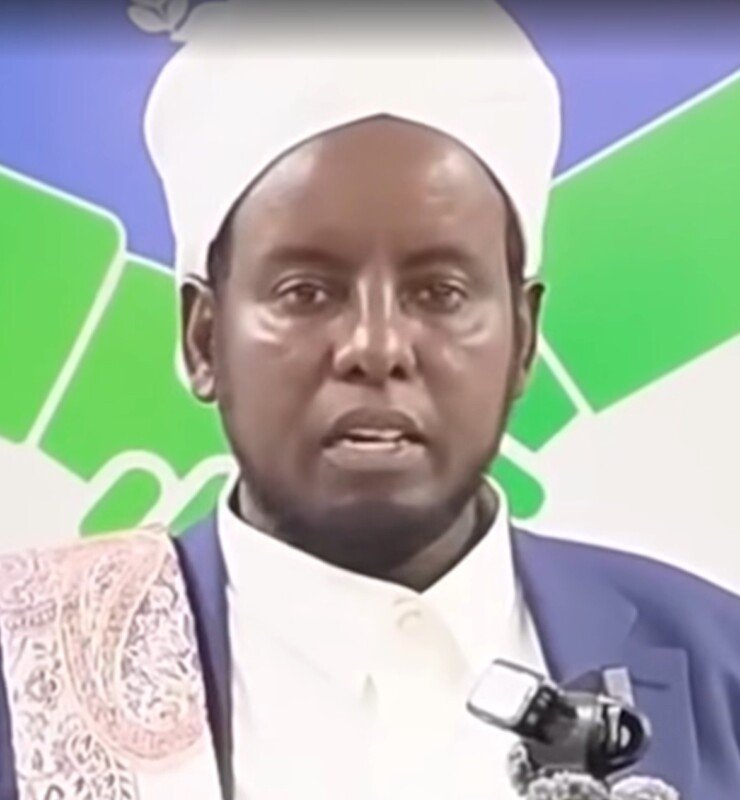
DHUSAMAREB — The chairman of the Tawfiq Political Party, Sheikh Mohamed Shakir Ali Hassan, has voiced deep disappointment over the conduct of the recent Galmudug State elections, alleging irregularities, violence, and the exclusion of party representatives from polling stations.
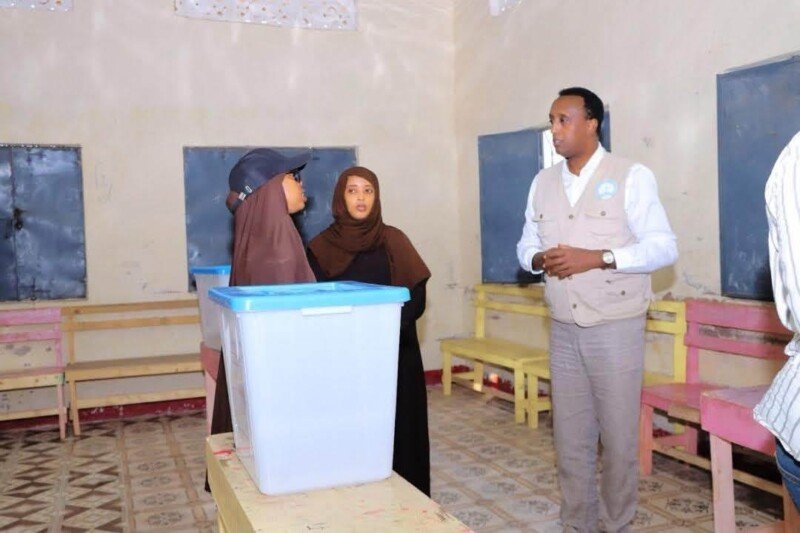
Speaking at a press conference in Dhusamareb, Sheikh Shakir criticized the management of the electoral process, in which more than 30 political organizations contested for seats in the regional parliament and local councils. He claimed that party representatives were barred from certain polling stations and that voters were subjected to intimidation and violence.
“What happened is not something we are satisfied with, not something we expected, and not something we accept as political organizations,” Sheikh Shakir said. “We organized and worked for a free and fair election based on one person, one vote. But an election where people are killed, wounded, and their votes suppressed is not one we can stand for.”
Allegations of Irregularities and Violence
Sheikh Shakir, a prominent political figure in central Somalia and a former leader of Ahlu Sunna Waljama’a in the region, detailed his party’s concerns about the electoral process. He said Tawfiq party representatives were blocked from accessing some polling stations where their supporters had been directed to vote.
“We are not satisfied with what happened. We did not expect this, and we did not anticipate this as political organizations,” he said. “We extend our condolences to the victims and to those we understand were injured during the election. We are deeply saddened by the harm that occurred.”
The Tawfiq Party chairman also called on the electoral commission to release results that reflect the will of the voters and to ensure that the final outcome is based on fairness and justice. He insisted that political parties have their own preliminary results from polling stations where they deployed observers, and that these should be taken into account.
“Every political organization has its own records from each polling station where results were submitted. We are waiting for those results,” Sheikh Shakir said, urging the National Independent Electoral and Boundaries Commission (NIEBC) to proceed with transparency as vote counting continues across the region’s 11 districts.
Electoral Context and Tensions
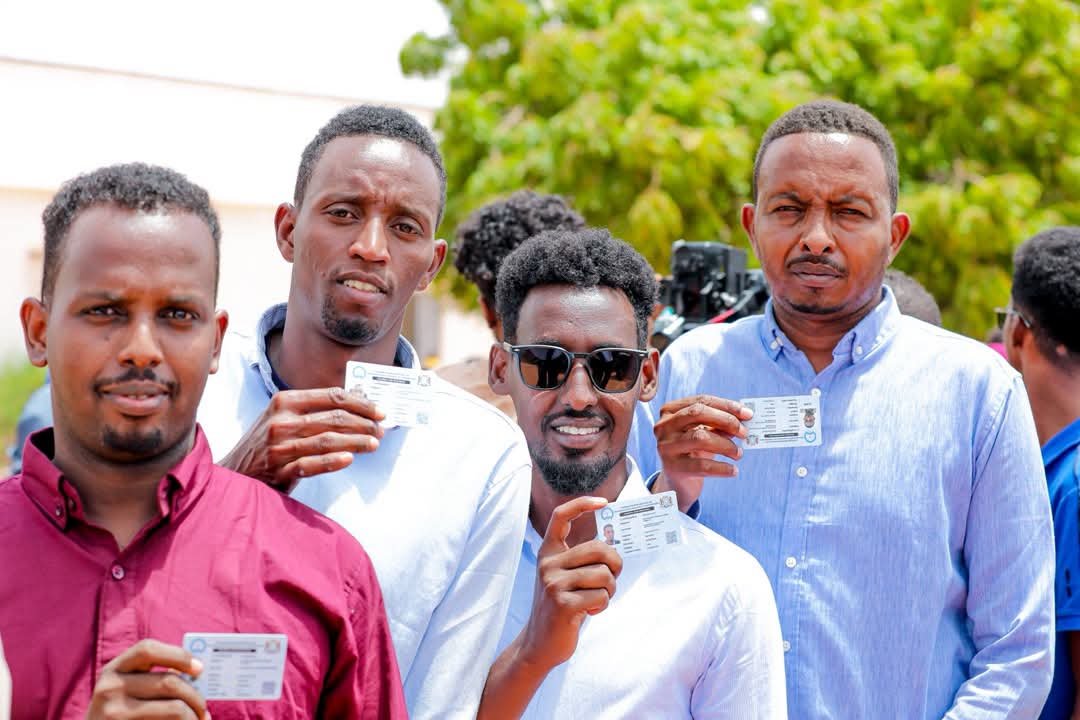
The Galmudug elections, which concluded on July 25, 2026, marked a historic transition to a one-person, one-vote system for the federal member state, with 215,860 voters enrolled across the Galgaduud and Mudug regions. However, the process has been marred by political tensions and allegations of federal interference.
The electoral commission had rejected calls from political parties to delay the vote, despite concerns that the compressed campaign period disadvantaged candidates lacking resources and federal backing.
Sheikh Shakir’s criticism adds to growing concerns about the credibility of the electoral process. The Tawfiq Party, which launched its campaign in Hobyo earlier this month, had positioned itself as a significant challenger in the Galmudug political landscape. The party enjoyed success in the Banadir regional local council elections in December 2025, securing 49 seats in the capital’s local councils.
The electoral process has also been overshadowed by a deep political rift between President Hassan Sheikh Mohamud and NISA Director Mahad Mohamed Salad over who should lead Galmudug. The dispute, which became public when Salad decided to contest the presidency against the federal government’s preferred candidate, exposed deep fractures within the ruling party and raised questions about the independence of the electoral process.
Galmudug President Ahmed Abdi Kariye (Qoor-Qoor) withdrew from the presidential race following talks with federal officials, clearing the way for the federal government’s preferred candidate. President Hassan Sheikh Mohamud designated Liban Ahmed Hassan as the sole candidate for the ruling Justice and Solidarity Party (JSP), bypassing internal party competition.
Critical Note
Sheikh Shakir’s allegations of irregularities and violence in the Galmudug elections, while unverified, underscore the deep mistrust that has characterized the electoral process in the region. The federal government’s heavy-handed role in shaping the outcome, including the withdrawal of the incumbent president and the designation of a single candidate for the ruling party, has raised serious concerns about the independence and credibility of the process. The electoral commission’s refusal to extend the campaign period, despite appeals from multiple parties, suggests a process that prioritizes expediency over inclusivity. Without transparent investigation into the alleged irregularities and a commitment to releasing results that accurately reflect the will of the voters, the Galmudug elections risk being remembered not as a milestone for democracy, but as another example of political manipulation in Somalia’s federal member states.
Recommended Reading On ftlsomalia.com
- Tawfiq Party Chairman Sheikh Shakir Launches One-Person-One-Vote Campaign in Hobyo
- Galmudug Electoral Commission Rejects Calls to Delay July 25 Polls Despite Campaign Time Concerns
- Galmudug Vote Counting Underway as Electoral Commission Reports Delays in Remote Districts
- Galmudug Polling Stations Close as Electoral Commission Investigates Irregularities
- Growing Rift Over Galmudug Leadership at Villa Somalia
- Galmudug President Qoor-Qoor Withdraws from Presidential Race After Talks with Federal Government