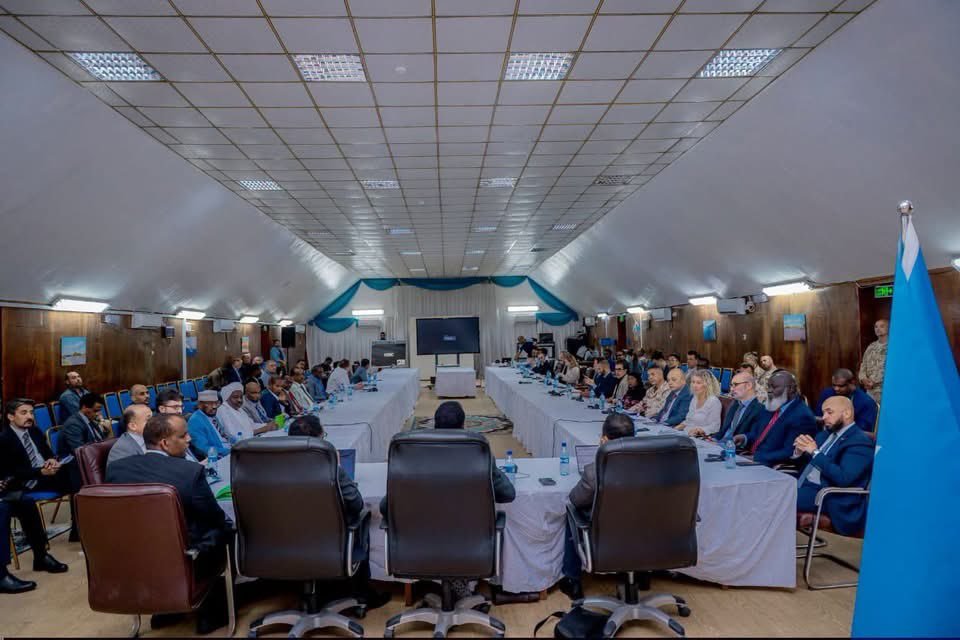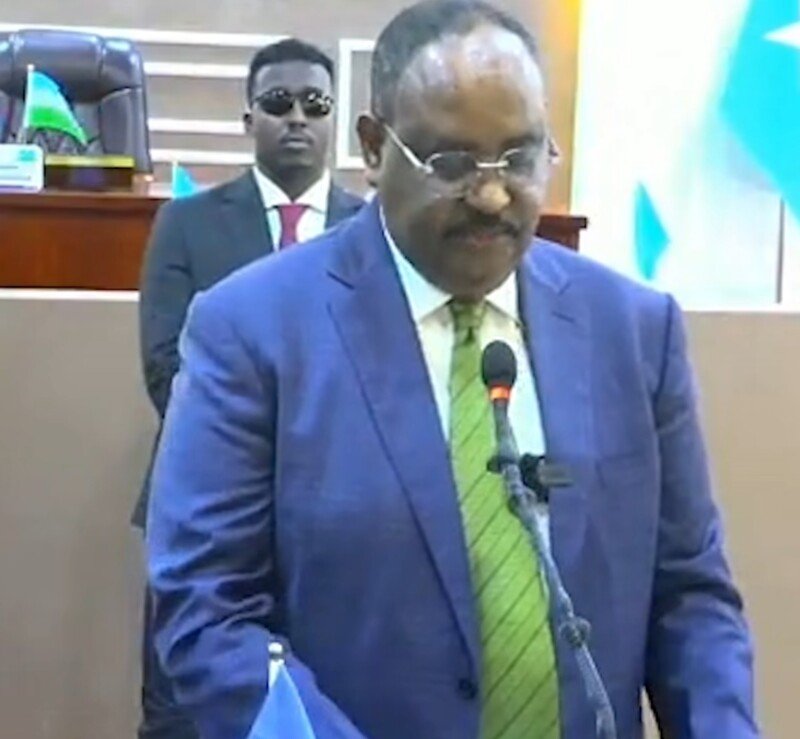

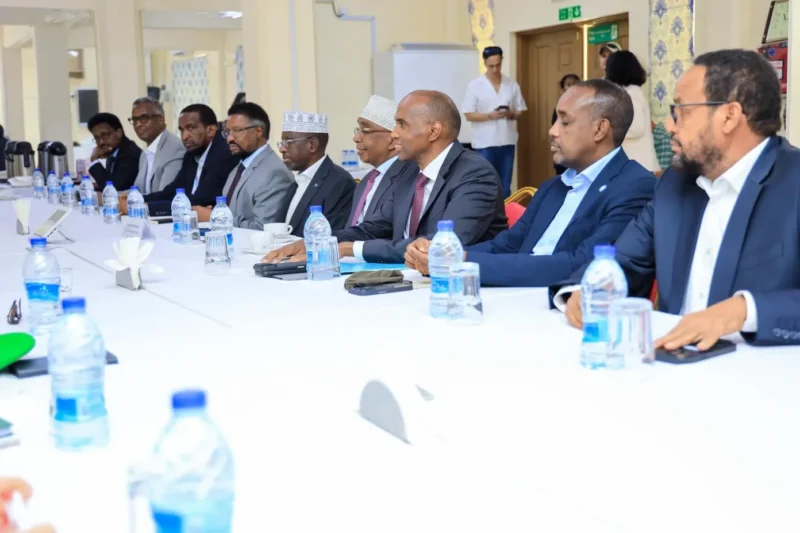
MOGADISHU – The Federal Government of Somalia and the Somali Future Council (SFC) have agreed to resume political dialogue, following a series of meetings held in Mogadishu on July 7 and 8, 2026, with both sides issuing separate statements confirming the constructive nature of the talks and their commitment to reaching a comprehensive political agreement.
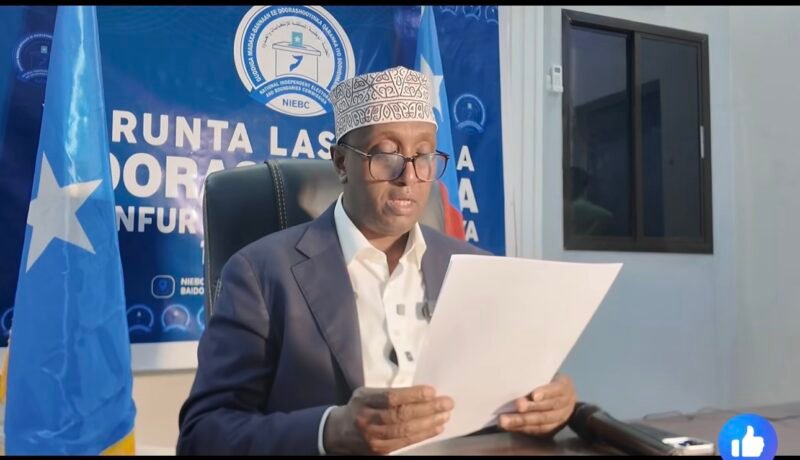
In a press release issued on July 8, the Federal Government confirmed that the meetings were conducted in a “friendly atmosphere,” with both sides engaging in an “open, honest, and productive exchange of views on the country’s political situation.” The government statement said the parties agreed to continue inclusive dialogue to strengthen political stability, security, and development in Somalia.
The Somali Future Council also issued a statement confirming the meeting was held in a “cordial and constructive atmosphere, allowing for an open and substantive exchange of views.” The opposition reiterated its commitment to the resumption of dialogue with the objective of reaching a comprehensive political agreement in the interest of Somalia’s peace, political stability, and unity.
Both statements expressed gratitude to the Republic of Türkiye for its dedicated facilitation role throughout the dialogue process. However, Turkey’s efforts to position itself as the sole mediator have been met with resistance from key regional states, which have questioned Ankara’s neutrality in the conflict.
The resumption of talks follows the collapse of previous negotiations at Mogadishu’s Halane compound in May, where disputes over the electoral model and the president’s mandate persisted. The negotiations were facilitated by American and British diplomats but ended without a breakthrough.
Turkey’s Mediation Role Faces Regional Rejection
Turkey has been actively seeking to play a leading role in mediating between the Federal Government and opposition groups, with Ankara’s intelligence agency reportedly taking the lead in efforts to broker a political agreement. However, this move has been explicitly rejected by the Jubaland and Puntland regional states, which have stated that Ankara cannot be a neutral party.
According to sources, Turkey is now searching for common ground to project an image of neutrality, as it navigates the complex political landscape of Somalia. The rejection from Jubaland and Puntland highlights the deep divisions within the country regarding the electoral process and the role of external actors in mediating the crisis.
Disputes over which political actors should be officially recognized as part of the opposition have complicated preparations for the next round of talks, with Turkish mediators suggesting giving seats on technical committees to figures aligned with former president Mohamed Abdullahi Farmaajo, a proposal rejected by the opposition’s Future Council.
Face-to-Face Talks to Begin with Western Observers
The opposition and the Federal Government are expected to hold face-to-face talks in the presence of Western representatives, specifically from the United States and the United Kingdom. The talks are expected to focus on resolving the country’s prolonged political deadlock, particularly concerning the electoral framework and the contested provisional constitutional amendments.
Opposition leaders have drawn sharp battle lines against what they describe as “illegitimate term extensions” and “disputed elections”, warning the government not to push the country into another cycle of political turmoil. President Hassan Sheikh Mohamud’s official term expired on May 15 under the 2012 Provisional Constitution, though he maintains that constitutional amendments passed in March have extended his mandate by one year.
Core Disputes and Competing Electoral Models
The core of the deadlock remains the electoral model. The federal government has advocated for a one-person, one-vote system, while the opposition Future Council has proposed an alternative “Expanded Indirect Election” model that blends direct voting with the 4.5 clan power-sharing formula.
The opposition has previously unveiled a detailed electoral roadmap that it says could break the political stalemate, featuring a constituency-based system in which citizens directly elect parliamentary representatives while retaining the clan allocation formula.
International and Regional Reactions
International partners including the United Nations, African Union, European Union, IGAD, the United States, and the United Kingdom have repeatedly urged renewed dialogue, warning that broad political consensus is essential for the legitimacy and stability of any future election process.
However, the Turkish-led mediation effort has faced setbacks, with international partners under the C6+ framework reportedly intensifying pressure on the Turkish initiative. Representatives of the international community warned that mediation by a single actor would be unacceptable and supported the Future Council’s call for a broader and more inclusive facilitation mechanism.
Way Forward
The resumption of talks between the Federal Government and the Somali Future Council represents a critical opportunity to break the political deadlock that has gripped the country. However, the rejection of Turkey’s sole mediation role by Jubaland and Puntland underscores the deep divisions that remain. The coming days will determine whether the parties can reach a compromise or whether the country will face further instability.
Recommended Reading On ftlsomalia.com: