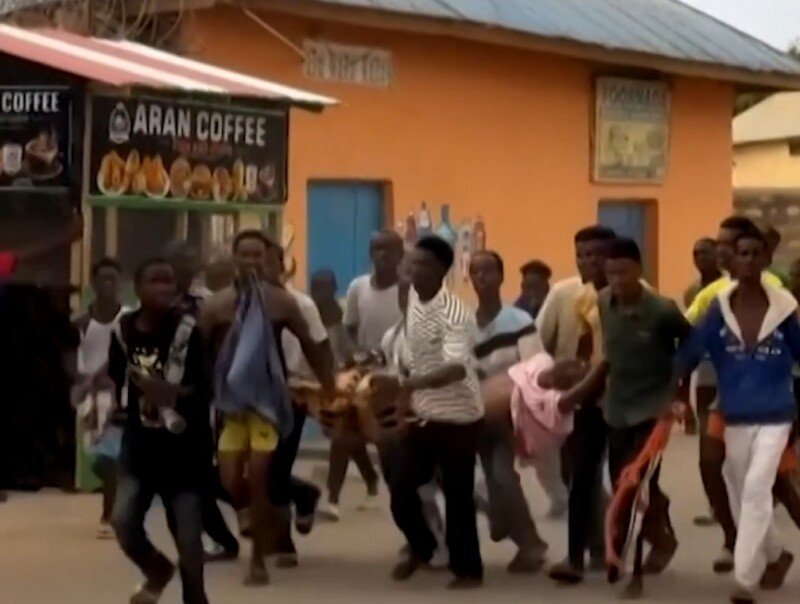

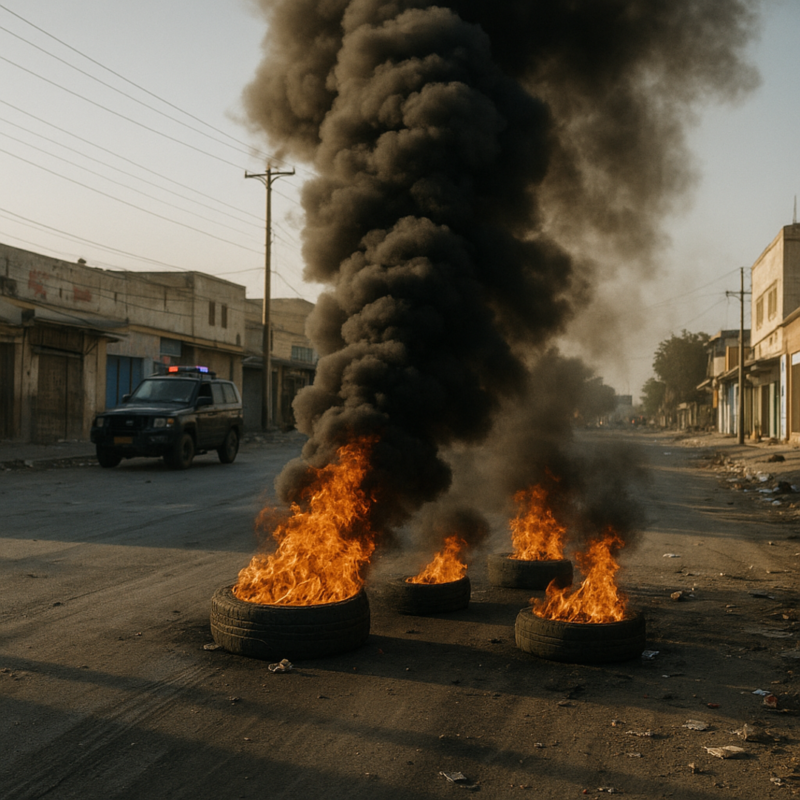
BORAMA: Police in Somaliland’s western city of Borama fired live rounds on Sunday to disperse young protesters who burned tyres and demonstrated against the territory’s annual May 18 independence celebrations, according to witnesses and local reports. The unrest, which revived memories of deadly protests in December 2025, underscored deepening political fissures in the Awdal region.
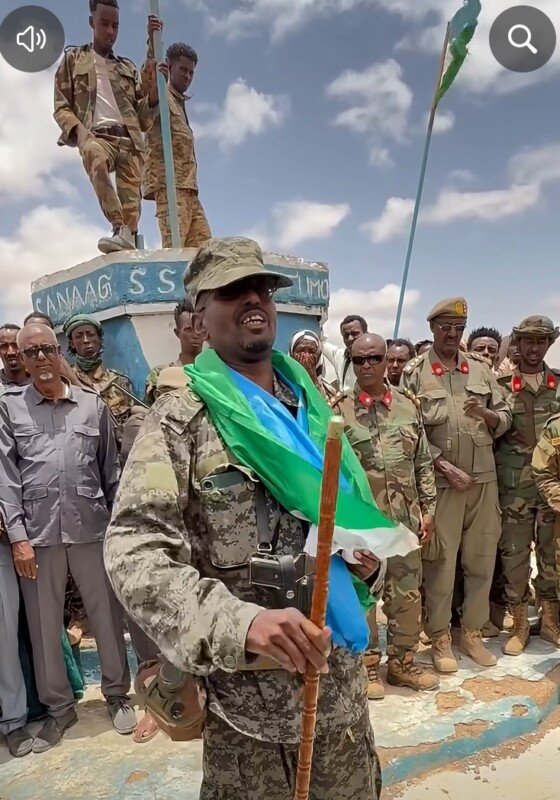
Somaliland Foreign Minister Abdirahman Adan said the disturbance initially stemmed from a dispute among youths during a football match before escalating into a wider security incident. “It is possible that other elements became involved after the youths clashed during the game,” he said, while commending residents for helping to maintain calm in the city and the broader Awdal region. At least one Somaliland soldier was also killed on Saturday in Eerigaabo, the capital of Sanaag region, in a separate dispute that erupted as security forces were preparing for the May 18 events.
Borama, the regional hub of Awdal, has become increasingly sensitive in recent months amid disputes surrounding the May 18 celebrations, which mark the date in 1991 when Somaliland declared independence from the rest of Somalia. Tensions in the city escalated sharply after poet Daaha Gaas made remarks regarding the ownership of the coastal town of Saylac (Zeila), which angered local youths. The protesters later objected to a scheduled musical performance by the Dayaxa Band in Borama, adding a cultural dimension to the political grievances. The unrest also followed Israel’s recognition of Somaliland in December 2025 – a move that triggered large protests across Awdal, with dozens arrested and wounded by security forces, and religious scholars detained for sermons condemning ties with Jerusalem.
Clan dynamics lie at the heart of the crisis. The dispute involves rival claims between the Issa and Gadabuursi (Samaroon) communities over cultural rights, symbolic recognition, historical narratives of ownership, and local sovereignty over Saylac. What began as a local grievance has become a microcosm of a deeper crisis of political legitimacy inside the self-declared republic. The protests late last year revolved around the planned launch of a book on Xeer Ciise, a traditional legal code associated with the Issa clan. Residents of Borama, mainly from the Gadabuursi community, viewed the event as a political and cultural provocation and an attempt to establish territorial dominance in parts of the Awdal region. At least 19 civilians were killed and 214 others injured during those December protests, according to Awdal Governor Abdirashid Hassan Mataan. Somaliland authorities withdrew military forces from the city and President Abdirahman Mohamed Abdullahi Irro suspended the planned ceremony, urging dialogue and promising a transparent investigation.
Borama has historically been a relatively peaceful city, but the accumulation of grievances – from the Saylac land dispute and the contested Xeer Ciise book launch to the fallout over Israel’s recognition – has transformed it into a flashpoint. Traditional elders have intervened on multiple occasions to restore order, but underlying clan and political tensions remain unresolved. As Sunday’s protest demonstrated, the May 18 anniversary, rather than a unifying national event, has become a trigger for renewed confrontation, exposing deep fault lines in Somaliland’s 35‑year state‑building project.