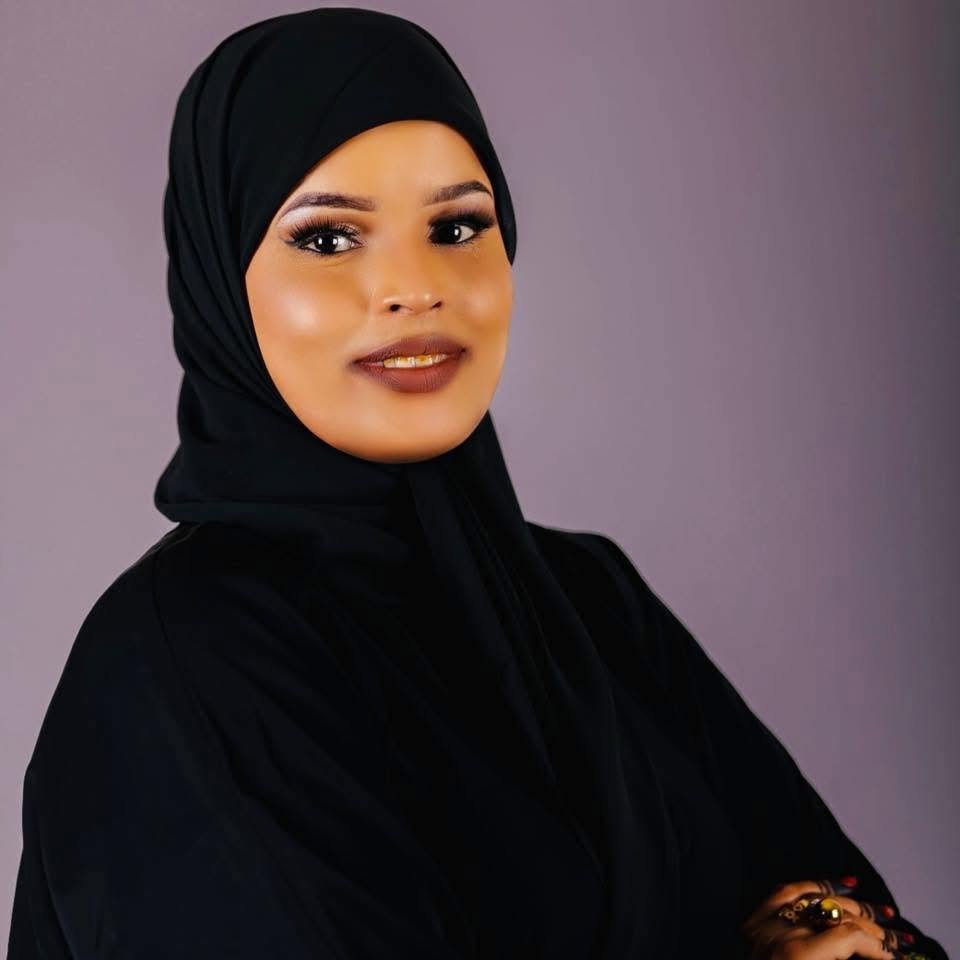

LAASCANOOD – The defection of North Eastern State parliamentarian Fahiima Yuusuf Quuje to Somaliland has been met with a celebratory welcome in Hargeisa, where officials have praised her decision and urged other residents of the Sool region to follow suit.
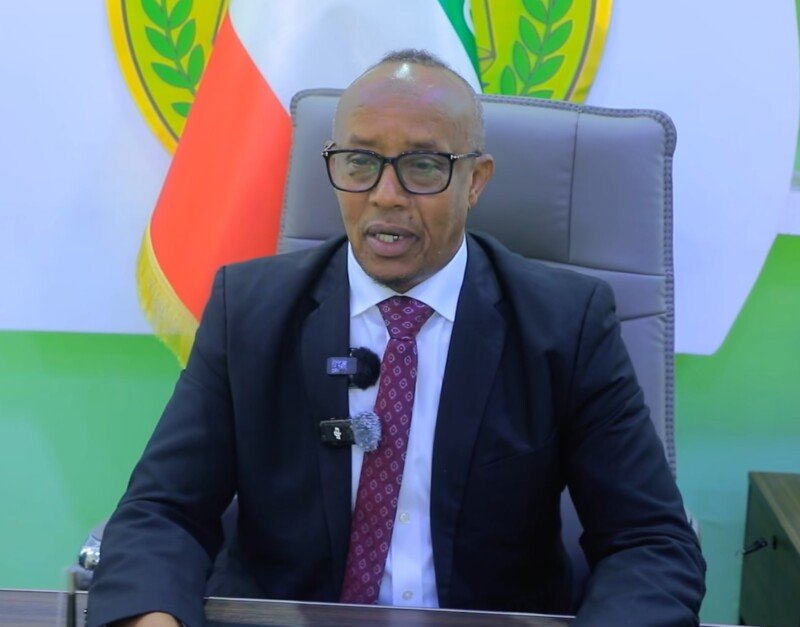
Somaliland’s Minister of Water, Mohamed Abdimalik Ahmed, held a press conference in Hargeisa on Saturday to address Quuje’s defection, which was announced the previous day. The minister described Quuje as the “Queen of Africa” and said her decision was worth “100 men” in its significance for Somaliland’s cause.
“Fahiima was not forced by anyone; she decided on her own to return to her people and her nation. We welcome her and say: ‘Bravo Fahiima, you have answered the call,'” Minister Ahmed said.
The minister, who hails from the Sool region, issued a direct appeal to the residents of Laascaanood, urging them to reconcile with the Somaliland administration under President Abdirahman Cirro. “The people of Laascaanood are our people, we have always lived together and we will reach an agreement. I prefer that you reach a settlement while the government of Unity and Action is in place,” he said.
A Dramatic Political Reversal
Quuje, a prominent member of the North Eastern State parliament, announced her resignation on Friday, renouncing the cause of Somaliweyn (Greater Somalia) that she had once championed. Her defection came just days before the North Eastern State parliament was scheduled to vote on a motion to lift her parliamentary immunity, following a request from the state’s Prosecutor General’s office.
On Saturday, the North Eastern State parliament voted to strip Quuje of her immunity and privileges, with 56 members voting in favour of the motion. Speaker Dr. Aadan Abdullahi Aw-Hassan confirmed the decision, which came after the Prosecutor General’s office formally submitted charges against her for what it described as “national betrayal.”
A Divisive Figure
Quuje was a vocal supporter of the North Eastern State movement, which ousted Somaliland forces from Laascaanood in 2023 after months of intense fighting. She was seen as a symbol of the region’s defiance against Somaliland’s territorial claims and played a prominent role in the conflict that came to be known as the Goojacadde war.
However, in recent months, she had reportedly grown critical of the North Eastern State administration led by President Abdulkadir Ahmed Aw-Ali Firdhiye. Her defection appears to be the culmination of mounting political tensions within the regional government.
Somaliland’s Celebration, North Eastern State’s Condemnation
In Hargeisa, Quuje’s defection has been celebrated as a significant victory for Somaliland’s cause. The Water Minister’s remarks reflect the administration’s hope that Quuje’s decision will encourage others in the Sool region to reconsider their allegiance to the North Eastern State. The minister’s claim that Quuje is the “Queen of Africa” and worth “100 men” underscores the propaganda value of her defection.
In Laascaanood, however, Quuje’s decision has been condemned as a betrayal. The parliamentary vote to strip her of her immunity reflects the administration’s determination to hold her accountable, even in her absence. The charges of “national betrayal” carry political and legal weight in a region that has fought hard to establish its autonomy.
A Pattern of Political Shifts
Quuje’s defection is the latest in a series of high-profile political shifts between Somaliland and the North Eastern State. Somaliland has welcomed her defection, viewing it as a significant propaganda victory. In 2023, the deputy leader of Somaliland’s ruling Kulmiye Party, Hussein Aden Adde, defected to the North Eastern State, commending the region’s resistance against Somaliland forces. The same year, Somaliland’s Speaker of Parliament, Abdirisakh Khalif Ahmed, also resigned to join the North Eastern State movement.
These defections highlight the fluid nature of political allegiances in the region, where clan loyalties and territorial claims remain deeply contested. The North Eastern State, formally recognized by the Federal Government of Somalia as a federal member state, has been at the centre of a broader struggle over Somalia’s territorial integrity.
Way Forward
The defection of Fahiima Quuje is a reminder of the deep divisions that continue to shape Somalia’s political landscape. While the Federal Government has sought to integrate the North Eastern State into the federal system, the region remains a flashpoint in the broader struggle between Somalia and Somaliland.
Quuje’s decision to switch sides reflects the personal and political calculations that often drive allegiances in the region, where loyalty to clan and territory frequently trumps ideological commitments. As Quuje prepares to be welcomed in Hargeisa, the North Eastern State administration faces the challenge of consolidating its authority and maintaining the support of its constituents. The success of the region’s institutions will depend on their ability to deliver services, ensure security, and build a sense of shared purpose among a population that remains deeply divided by clan and political loyalties.
Recommended Reading On ftlsomalia.com
- PM Barre to Make Inaugural Official Visit to North Eastern State
- Somali President to Visit Lasanod, Risking Somaliland Tensions
- PM Barre Invites North Eastern State Leader to Next Month’s NCC Meeting
- North Eastern State Rejects Channeling of Humanitarian Funds Through Somaliland
- Somaliland Leader Slams Mogadishu for Backing Rival Sool Administration
- Adan Abdullahi Aw-Hassan Elected Speaker of North Eastern State Parliament