
KIGALI — The 2026 CECAFA Kagame Cup has concluded in Kigali, Rwanda, with Somalia playing a prominent role in both officiating and football leadership, underscoring the country’s growing influence in East and Central African football.
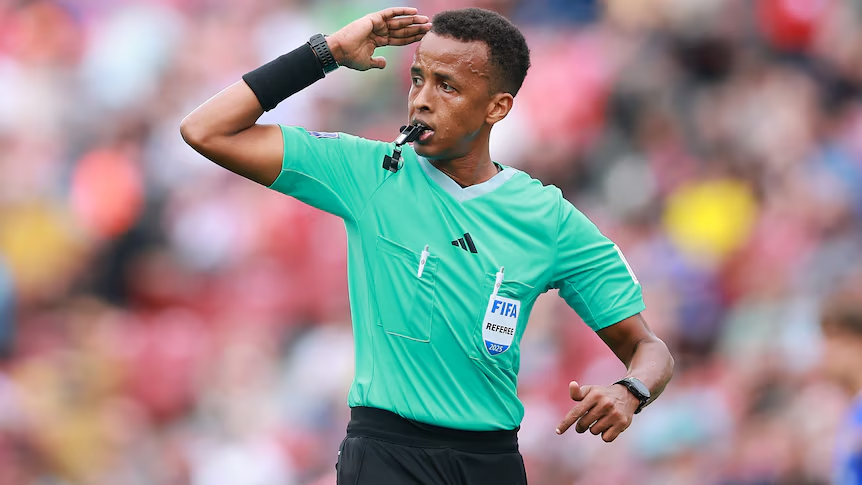
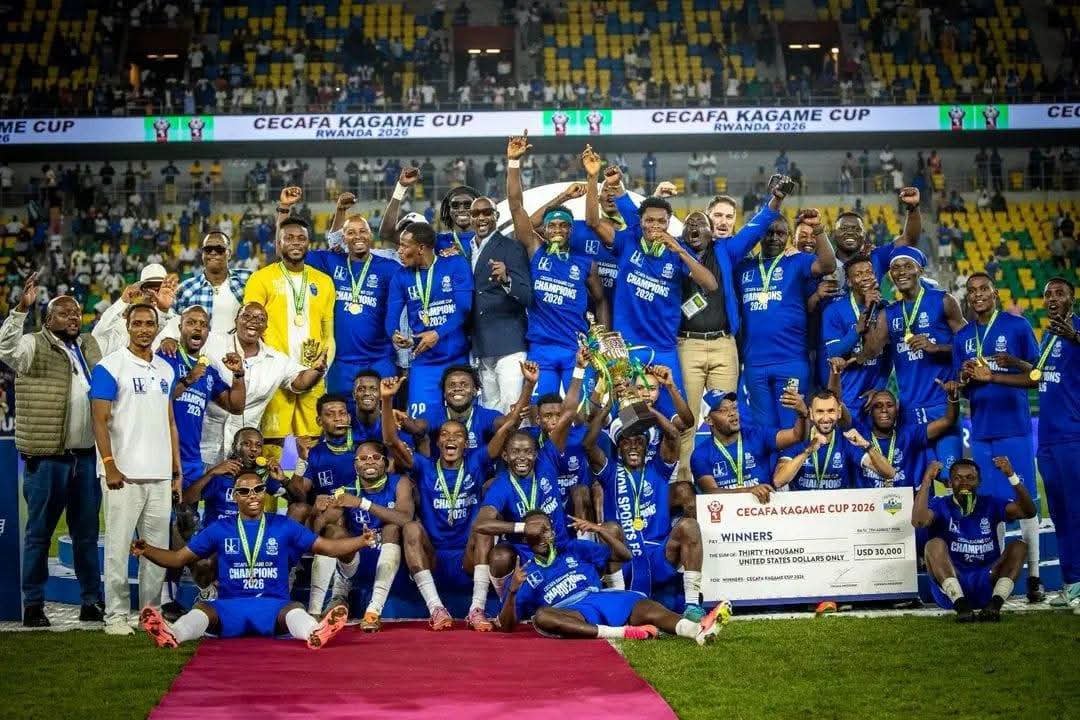
The final match, held at the Amahoro Stadium, saw Rwandan side Rayon Sports defeat Kenya’s Gor Mahia 2-1, with the match officiated by Somali international referee Omar Abdulkadir Artan. Artan, who is the reigning CAF Men’s Referee of the Year, managed the final with distinction, adding to his growing list of high-profile appointments.
Artan was appointed to officiate the CECAFA Kagame Cup final alongside assistants Liban Abdulrazack of Djibouti and Eliezer Stephen Yiembe of Kenya. The trio had also been selected to take charge of the 2026 UEFA Super Cup between Paris Saint-Germain and Aston Villa, scheduled for August 12 in Salzburg, Austria.
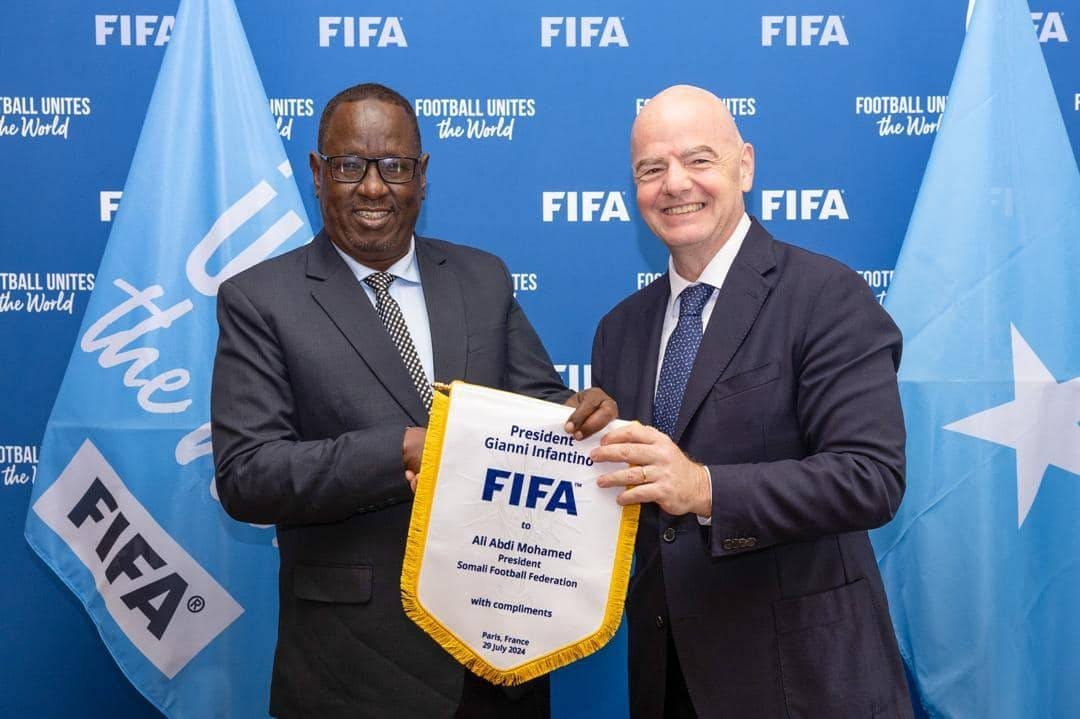
Somalia’s involvement extended beyond the pitch. Somali Football Federation President Ali Abdi Mohamed (Ali Shiine), who also serves as CECAFA Vice President, participated in the tournament’s activities and ceremonies, reflecting the country’s growing diplomatic and administrative role within the regional football body.
Artan’s Journey: From World Cup Snub to UEFA Super Cup
Omar Artan’s appointment to the Kagame Cup final follows a remarkable year for the Somali referee. In November 2025, he was crowned CAF Best Male Referee of the Year at the CAF Awards ceremony in Rabat, Morocco, in recognition of his outstanding performances in continental competitions. He also made history as the first Somali referee selected for a FIFA World Cup tournament.
However, Artan’s path to the top has not been without challenges. In June 2026, he was denied entry into the United States to officiate at the 2026 FIFA World Cup despite holding a valid visa and a diplomatic passport. The denial drew widespread sympathy and support across the football world, with UEFA subsequently appointing him to the Super Cup as a gesture of solidarity. UEFA President Aleksander Čeferin said: “Football is made to connect people, and UEFA wants to show its respect to Omar and his outstanding officiating skills, which had earned him such a prestigious nomination.”
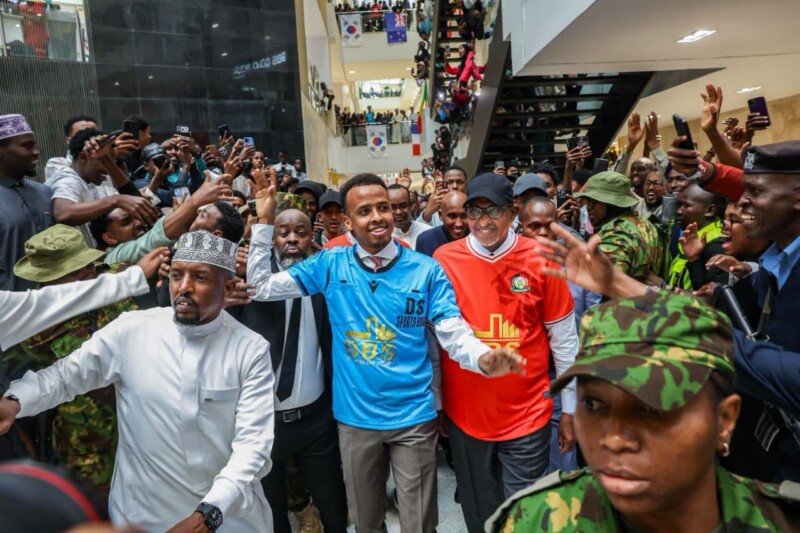
Artan’s recognition as CAF’s top referee has been a source of pride for Somalia, with President Hassan Sheikh Mohamud hosting him at the Presidential Palace to congratulate him on his achievement.
Somalia’s Growing Role in CECAFA
The presence of Somali Football Federation President Ali Shiine at the tournament’s activities reflects Somalia’s increasing engagement in regional football governance. Somalia has been an active member of CECAFA, and the country’s participation in the Kagame Cup final officiating and leadership roles underscores the progress being made in developing football administration in the country.
Ali Shiine’s role as CECAFA Vice President has placed Somalia at the table in regional football decision-making, and his participation in the Kagame Cup activities highlights the federation’s commitment to strengthening football ties across East and Central Africa.
President Hassan Sheikh Mohamud has recognised the importance of football in national development, meeting with Artan and other sports figures to celebrate their achievements and encourage the growth of Somali talent on the international stage.
Critical Note
While Somalia’s participation in the CECAFA Kagame Cup final, both through officiating and football leadership, is a positive development, it also highlights the challenges facing Somali football. The country’s football infrastructure remains underdeveloped, and the national league has struggled to regain its pre-war prominence. The success of individuals like Omar Artan and the leadership of Ali Shiine at the regional level are commendable, but they must be accompanied by investment in grassroots football, youth development, and the professionalisation of the national league. The international community and regional bodies like CECAFA should support these efforts, while the Somali government must recognise the role of sports in nation-building and allocate resources to develop football and other sports. Without such investment, the achievements of individual Somalis on the regional stage may remain isolated successes rather than the beginning of a broader revival of Somali football.