

Washington DC, United States – U.S. President Donald Trump demands Somalis in the country leave, claiming without evidence that they contribute nothing. The blunt remarks surfaced Tuesday after reports that federal authorities plan operations in Minnesota targeting unlawful U.S. residents. Nearly 58% of Minnesota’s Somalis are U.S.-born, while 87% of foreign-born ones hold citizenship.
This overview covers Somalia, one of the nations facing a Trump administration halt on immigration applications this week. The Prime Minister offered no response to Trump’s comments when questioned Wednesday at a public gathering.
Somalis have fled the Horn of Africa nation for decades following dictator Siad Barre’s ouster, which ignited warlord fighting, civil war, and the ascent of an Al-Qaida-linked militant faction.
Rampant insecurity displaced millions inside Somalia or to nearby states. Numerous individuals spent years in remote camps awaiting U.S. or other resettlement opportunities, with many still there.
Al-Shabaab remains the chief danger within Somalia, dominating rural zones and striking Mogadishu sporadically with lethal assaults. A 2017 Mogadishu truck blast claimed over 100 lives, later attacks dozens more. Sites hit include the presidential palace and hotels.
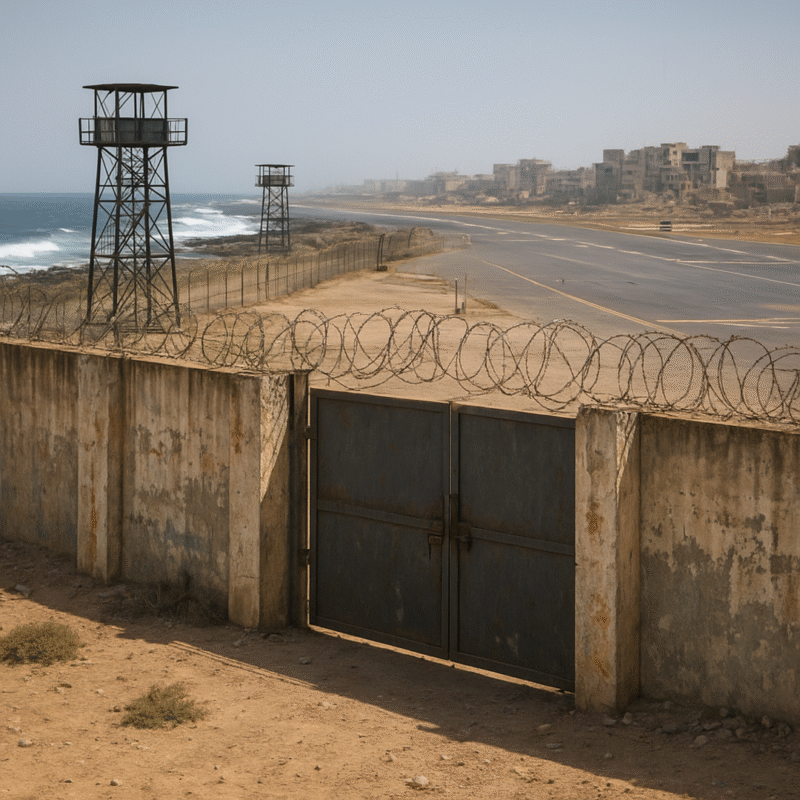
Insecurity barred a U.S. embassy in Somalia for decades. It now operates from a secure seaside site near Mogadishu airport housing other diplomatic and aid entities.
Somalia’s vulnerable federal government has waged what its President terms a battle against extremists recently. Al-Shabaab endures amid intricate clan ties, fueled by Middle East arms via the Gulf of Aden.
Somalia’s turmoil spawned pirates, who this month seized an Indian Ocean merchant ship for the first time in 18 months, stoking resurgence worries.
Mogadishu displays modest recovery, propelled by returnee Somalis with capital and concepts, yet the nation’s 19 million residents confront harsh realities. Insecurity stifles recovery and funding.
Somalia boasts one of the globe’s frailest health systems, says the World Health Organization (WHO) and allies. Key donors including the U.S. and Britain retreat, notably via Trump-era aid cuts this year.
The Associated Press toured Mogadishu facilities where some Somalis journey days for aid. Rural spots get scant help, al-Shabab zones none.
Africa braces for heavy climate change blows, with Somalia a stark case. Droughts fell people alongside camels and livestock sustaining locales and livelihoods. Floods scour river basins. Indian Ocean storms pound Africa’s longest shore. At times devourers strip land greenery.
In Somalia, climate change and conflict grow entwined, observes the International Crisis Group, as Al-Shabaab leverages water for taxing exposed groups. In late years long dry spells, they razed water setups, enraging locals.