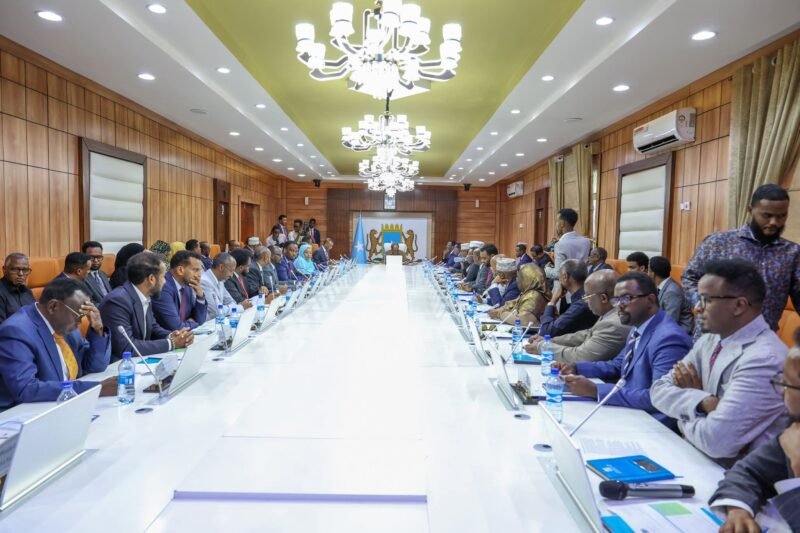

MOGADISHU: The United Nations has cautiously welcomed the initiation of talks between Somalia’s federal government and the newly formed opposition coalition, the Somali Future Council, urging both sides to continue dialogue as the country grapples with a deepening political and constitutional crisis.
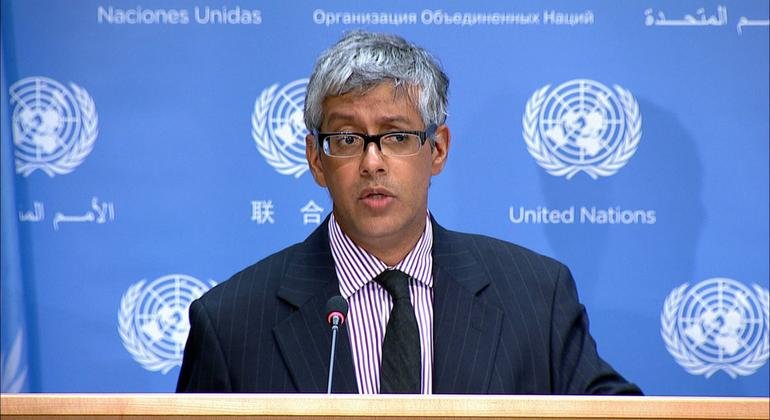
Speaking at the UN headquarters on Monday, Farhan Haq, the deputy spokesperson for Secretary‑General António Guterres, said the UN chief “continues to closely follow political developments in Somalia” and specifically noted the recent high‑level engagement between the government and the opposition council. “The Secretary‑General welcomes the willingness of both parties to engage and encourages them to continue to dialogue with a view to reaching an agreement on the way forward on elections and related issues,” Haq stated.
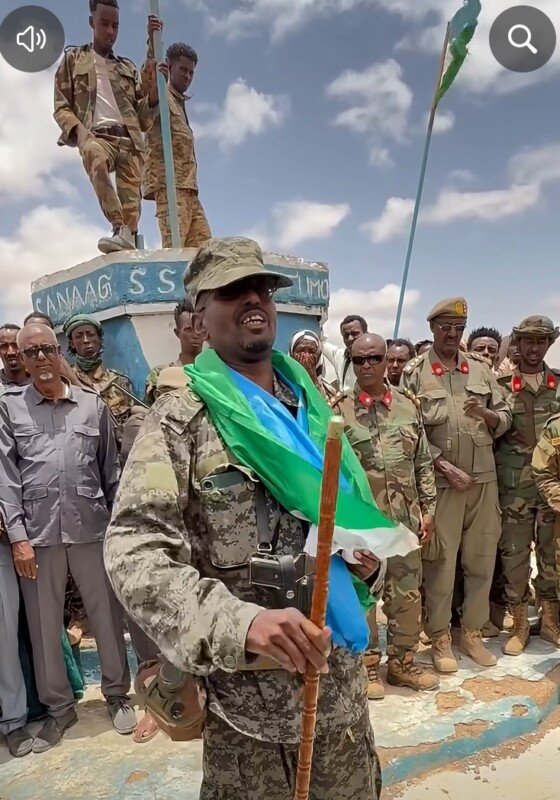
The UN’s measured statement comes as Somalia remains locked in a political standoff that has raised fears of a constitutional vacuum. The Somali Future Council, formed in October 2025 by Puntland and Jubaland leaders, has warned of a political crisis as election deadlines approach and has declared that it no longer recognises President Hassan Sheikh Mohamud’s authority after his four‑year term expired on 15 May under the 2012 Provisional Constitution.
The friction points are numerous. Parliament approved constitutional amendments in March 2026 that extended the presidential term from four to five years and changed the electoral system, a move the government defends as a democratic evolution toward universal suffrage. Critics, however, denounce it as an authoritarian overreach, with some calling it a “constitutional coup”. President Mohamud has repeatedly insisted on transitioning to a “one person, one vote” system, while the opposition favours an indirect electoral model and has demanded an independent mediator.
The political gridlock is unfolding against a devastating humanitarian backdrop. UN agencies warn that more than six million people face acute food insecurity, with nearly half a million children suffering from severe acute malnutrition. The 2026 Somalia Humanitarian Needs and Response Plan is currently only 15.2 percent funded, compounding the effects of drought, rising food prices, and reduced international aid.
High‑level talks mediated by the United States and Britain at Mogadishu’s Halane compound collapsed on 15 May, the same day President Mohamud’s term expired under the 2012 constitution. The Somali Future Council has since declared that it will not allow a power vacuum or unconstitutional rule and has called for an inclusive transitional framework.
The UN’s endorsement of renewed dialogue represents an effort to steer rival factions away from zero‑sum brinkmanship. Whether the nascent talks represent a genuine pivot toward compromise or merely a performative interlude before an inevitable fracture remains uncertain. For now, the international community continues to press both sides to reach an agreement on elections and related issues before the country slides deeper into institutional paralysis.
Recommended Reading on ftlsomalia.com:
- Opposition Council Warns Of Political Crisis As Election Deadlines Loom
- Somali Parliament Adopts Revised Constitution Amid Cabinet Resignation And Fierce Opposition Backlash
- President Stands Firm On One‑Person, One‑Vote Elections
- Nearly 500,000 Children Face Severe Malnutrition As Drought And Funding Cuts Push Somalia To Brink
- Halane Talks Collapse As Election Deadlock Deepens
- Global Community Urges Renewed Dialogue Between Somali Government And Opposition Groups