
LAASCANOOD – The Northeastern State parliament has taken disciplinary action against five lawmakers who resigned on Saturday and are believed to have defected to Somaliland, while also addressing the fate of Somaliland prisoners of war still detained in Laascaanood, in a move that underscores the deepening political and security crisis gripping the region.
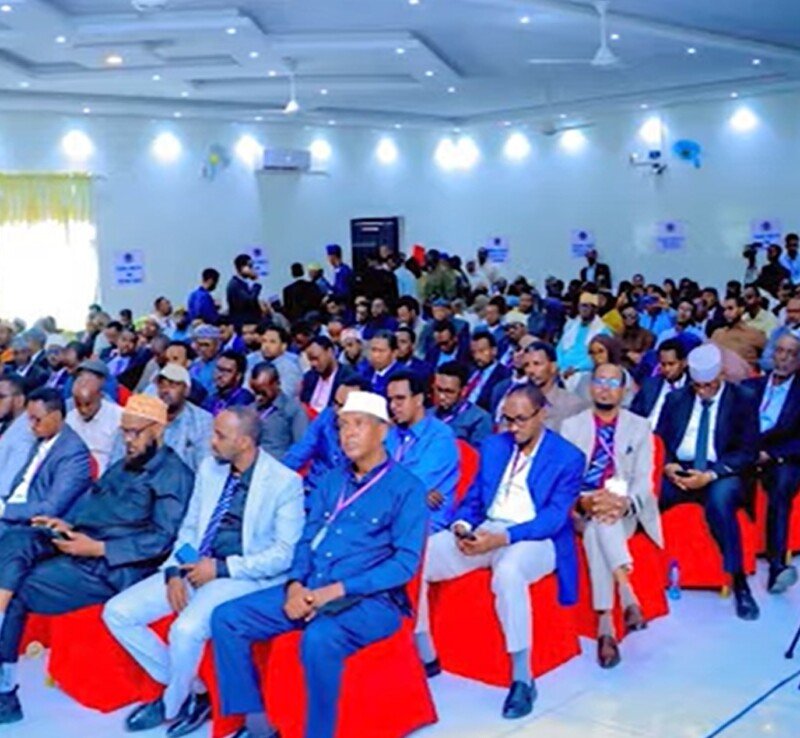
The five MPs: Makhtal Saciid Maxamuud, Cabdisalaan Cabdillaahi Cabdiraxmaan, Sidiiq Jaamac Muuse, Axmed Cali Maxamed, and Axmed Caabi Xasan, announced their resignations on Saturday, citing the administration’s deviation from its founding principles. On Sunday, the parliament convened an emergency session and voted to strip them of their privileges and immunity, with 57 members approving the measure, according to Speaker Dr. Aadan Abdullahi Aw-Hassan.
A Pattern of Defections and Political Instability
The resignations follow a similar move by MP Fahiima Yuusuf Quuje, who defected to Somaliland earlier this month after renouncing the Somaliweyn cause she had once championed. Quuje’s departure came just days before the parliament was scheduled to vote on lifting her immunity on charges of “national betrayal.” She fled the region and was later given a hero’s welcome in Hargeisa.
The latest resignations suggest that Quuje’s defection was not an isolated incident but rather a symptom of deeper political fractures within the Northeastern State. The lawmakers who resigned on Saturday did not defect to Somaliland, but their departure underscores the growing disillusionment with the administration’s leadership.
The Northeastern State parliament, which elected Adan Abdullahi Aw-Hassan as its inaugural Speaker in August 2025, was seen as a key milestone in the region’s political journey. The assembly was established as part of Somalia’s evolving federal system, with the Northeastern State (formerly SSC-Khaatumo) being formally recognized as a federal member state by the National Consultative Council in May 2025.
Prisoners of War and the Call for Justice
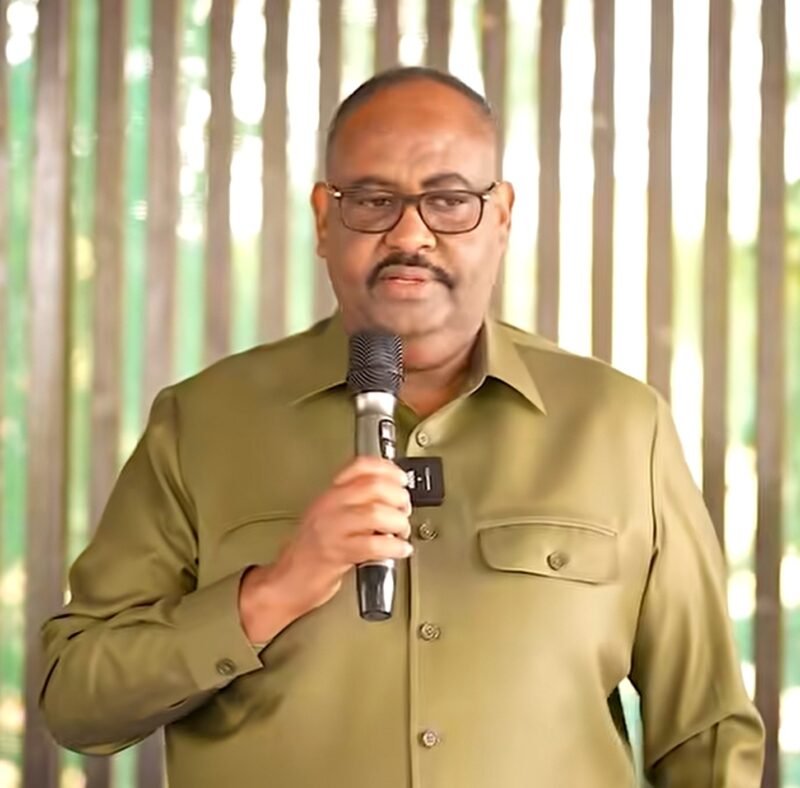
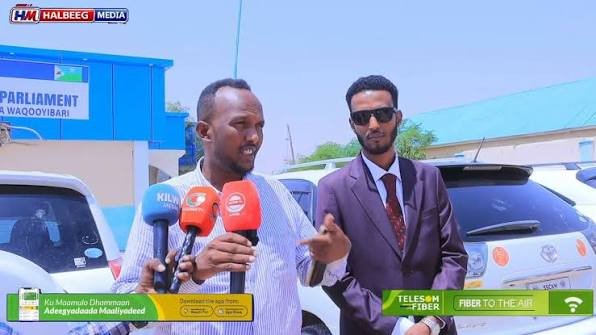
The parliament also addressed the status of Somaliland prisoners of war detained in Laascaanood, captured during the 2023 conflict that ousted Somaliland forces from the city. MP Maxamed Nuur called on President Abdulkadir Ahmed Aw-Ali Firdhiye to establish a military court to try the prisoners, stating: “The prisoners are prisoners of war captured in battle, and they are the prisoners who harmed this city and did what they did. We call on the President to establish a military court to try the detained men.”
The call for justice reflects the ongoing tension between the Northeastern State and Somaliland. The 2023 conflict, which began with protests against Somaliland’s administration, united local clans and led to the establishment of the Northeastern State. The prisoners’ fate has remained unresolved, and their continued detention without trial raises questions about the rule of law and the administration’s ability to manage the aftermath of the conflict.
A Fragile Institution Under Strain
The resignation of five MPs and the parliament’s response highlight the fragility of the Northeastern State’s political institutions. The assembly was established only in 2025, and its ability to maintain cohesion and loyalty among its members remains untested. The defection of Fahiima Quuje and the resignation of five more MPs, even if they do not cross the border, further weakens the Northeastern State’s legislative body.
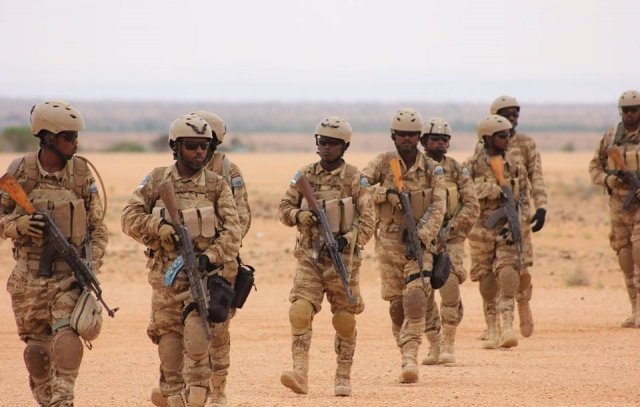
The Northeastern State’s authority is also contested. Renewed clashes between Somaliland and Northeastern State forces have been reported in Buqdharkayn, underscoring the fragility of the situation and the potential for further escalation. Somaliland has slammed Mogadishu over the creation of the North-Eastern State, warning of a civil war risk and describing the move as a “reckless provocation.”
Way Forward
The resignation of five Northeastern State MPs and the parliament’s decision to strip them of their privileges is a stark reminder of the fragility of Somalia’s federal experiment. The administration’s inability to retain the confidence of its own legislators raises serious questions about its legitimacy and effectiveness. If the Northeastern State is to survive as a viable federal member state, its leadership must address the grievances that have driven so many of its representatives to walk away.
For now, the resignations stand as a powerful rebuke to President Firdhiye and his administration. The lawmakers who have stepped down have made their position clear: they will not be silent participants in a project they believe has lost its way. Meanwhile, the unresolved fate of the Somaliland prisoners remains a ticking time bomb, threatening to further destabilize a region already on edge.
Recommended Reading On ftlsomalia.com
- Somaliland Welcomes Defection of North Eastern State MP Who Once Fought Against Hargeisa
- Adan Abdullahi Aw-Hassan Elected Speaker of Northeastern State Parliament
- Five Northeastern State MPs Resign, Accusing Leadership of Hijacking Regional Vision
- Renewed Clashes between Somaliland and SSC Khatumi Troops Reported in Buqdharkayn
- Somaliland Slams Mogadishu Over “North-Eastern State,” Warns of Civil War Risk