
MOGADISHU – The National Climate Fund (NCF), in collaboration with the Ministry of Energy and Water Resources (MoEWR) and backed by the Global Water Partnership Southern Africa (GWPSA), organized the National Validation Workshop in Mogadishu for the Climate-Resilient Urban Water Security Project and the Somalia Water Investment Programme (WIP) 2026-2030.
The workshop united government institutions, development partners, civil society organizations, academics, and private sector representatives to endorse two major initiatives focused on enhancing Somalia’s water security and climate resilience.
$25.8 Million Rainwater Harvesting Project Endorsed
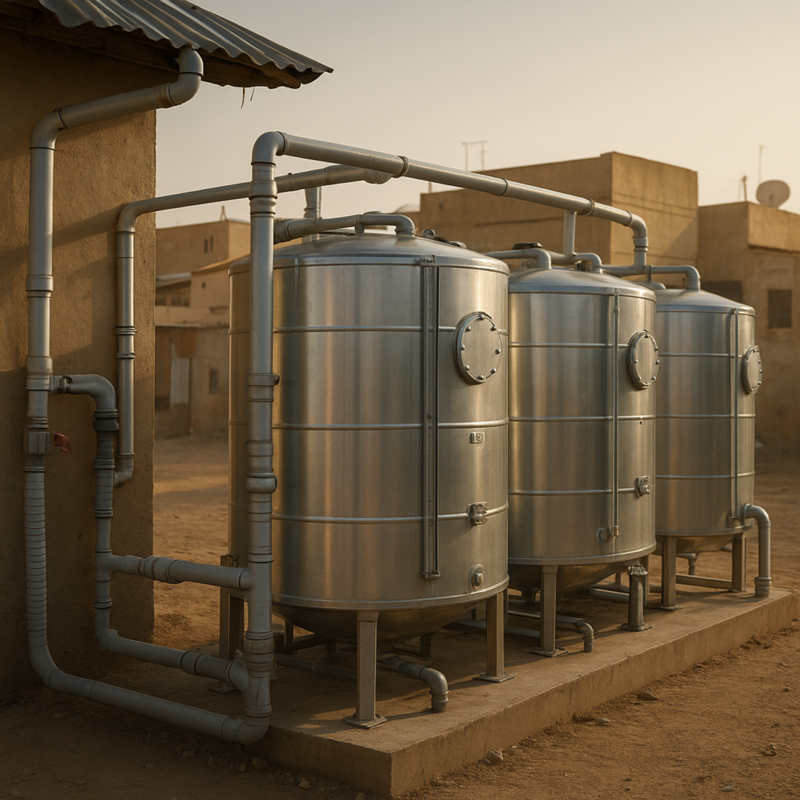
A key achievement of the meeting was the endorsement of the “Rainwater Harvesting and Storage Systems for Vulnerable Urban Communities in Somalia” project, worth USD 25.8 million. The project will be executed in the towns of Hudur (Bakool), Garbaharey (Gedo), Mataban (Hiiraan), Dhusamareb (Galgaduud), Las Anod (Sool), and Badhan (Sanaag), focusing on creating rainwater harvesting and storage infrastructure, reinforcing climate information and forecasting systems, and enhancing municipal water governance to mitigate the effects of recurring droughts.
The National Climate Fund has officially approved the ambitious water security initiative designed to address the escalating challenges of water scarcity and climate vulnerability facing the country’s rapidly growing urban populations.
$232 Million Water Investment Programme Launched
Attendees also approved the Somalia Water Investment Programme (WIP) 2026-2030, directed by the Ministry of Energy and Water Resources, which presents an investment framework valued at USD 232 million to support priority initiatives in water supply, water storage, flood management, groundwater development, irrigation, sanitation, climate resilience, and institutional capacity building.
Building Climate Resilience Across Sectors
The validation workshop represents a significant advancement in Somalia’s climate-resilient water investment strategy and corresponds with the Water Sector Development Plan, the National Adaptation Plan (NAP), NDC 3.0, the National Transformation Plan, and the Africa Water Investment Programme (AIP).
The National Climate Fund has been working closely with international partners to mobilize resources for climate adaptation projects, with the fund playing a central role in coordinating climate finance and ensuring alignment with national development priorities.
Strengthening Water Security for Vulnerable Communities
These strategic interventions mark a fundamental shift in Somalia’s developmental approach, transitioning national efforts from emergency humanitarian relief and reacting to climate shocks into a proactive era of sustainability and long-term investment in vital water infrastructure.
The comprehensive approach targets high-priority sectors including supply networks, seasonal flood management, groundwater development, irrigation expansion, sanitation, and the crucial institutional capacity building required to manage these resources efficiently. Observers view this move as a fundamental paradigm shift in the developmental strategy pursued by Somalia, effectively transitioning national efforts from the realm of emergency humanitarian relief into a proactive era of sustainability and long-term investment in vital water infrastructure.
Looking Ahead
The National Climate Fund has been actively building Somalia’s capacity to access international climate financing, with initiatives such as the Green Climate Fund Direct Access Accreditation Training Programme equipping Somali institutions with the knowledge and systems required to independently access and manage climate funds.
These strategic interventions come at a critical juncture as climate change imposes harsh realities across the Horn of Africa. The water security package serves as a structural line of defense for Somalia’s emerging urban centers, institutionalizing municipal governance and introducing smart water management technologies that secure a vital lifeline for local communities.
Recommended Reading On ftlsomalia.com:
- Somalia Endorses $25.8M Rainwater Harvesting Project to Combat Drought in Six Towns
- Somalia Approves $25.8 Million Water Initiative to Strengthen Climate Resilience in Six Urban Centers
- Somalia Endorses $232M Water Investment Plan to Address Scarcity and Climate Risks
- Somalia Advances Climate-Resilient Water Investments with New Strategic Framework
- National Climate Fund Endorses Water Security and Investment Projects
- National Climate Fund Hosts Strategic Climate Finance Workshop for Somali Banking Sector