
MOGADISHU: The federal government has designated a single candidate to represent the ruling Justice and Solidarity Party (JSP) in the upcoming presidential election for the central Galmudug state, marking a significant escalation of political strategies ahead of a fiercely competitive regional vote.
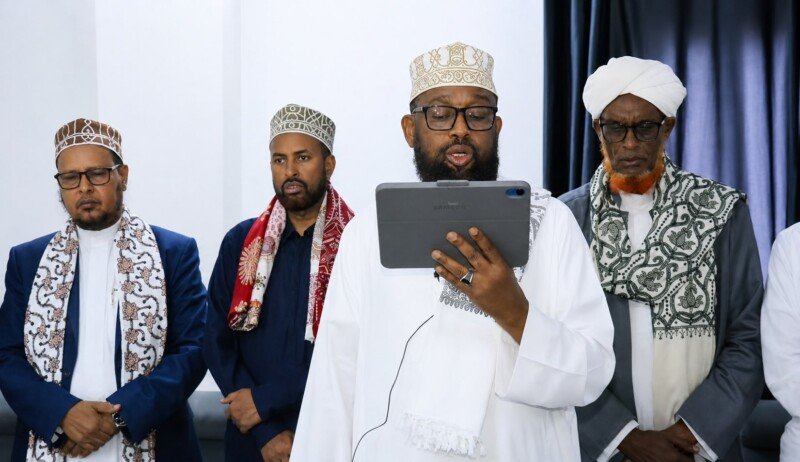
Liban Ahmed Hassan, a notable politician commonly referred to as Liban Shuluq, has received the exclusive backing of President Hassan Sheikh Mohamud, effectively clearing the field of internal challengers for the election scheduled for July 9. The governing party intends to officially confirm the nomination at an event at its central office in Mogadishu. This approach bypasses typical party competition or preliminary elections, setting the stage for a critical confrontation in the important central region.
JSP Moves to Consolidate Control, Igniting Power Struggle
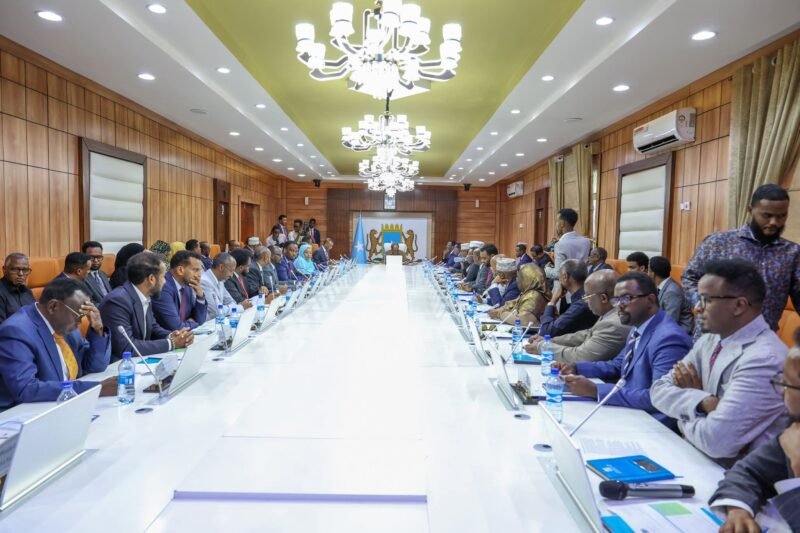
The ruling party, headed by President Mohamud and featuring key members like Galmudug President Ahmed Abdi Kariye Qoorqoor, has faced increased scrutiny over claims that it seeks to manipulate the upcoming election.[reference:0] Galmudug’s Ministry of Interior previously stated that contested appointments by the JSP lacked legal foundation, highlighting that the state is completing guidelines to regulate political parties’ involvement in elections. The ministry promised to probe those involved, labeling such moves “unlawful.”[reference:1]
At the same time, discreet discussions are taking place in Mogadishu to settle a party deadlock regarding the deputy regional presidency. Several candidates are vigorously courting President Mohamud for comparable exclusive support, intensifying the competition for the second most senior position in the region.
Federal Intervention Sparks Direct Confrontation with Incumbent
The involvement of the federal administration has created a direct conflict with current Galmudug President Ahmed Abdi Kariye, commonly known as Qoorqoor. Ties between Mohamud and Qoorqoor have deteriorated substantially in recent weeks, fueled by competing efforts to control the regional election schedule and procedures.[reference:2] Qoorqoor has reportedly spent months lobbying for JSP backing for a second term, leaning heavily on his years of close cooperation with the federal president, while federal officials worry the current leader might use his local influence to obstruct or postpone the regional parliamentary and presidential elections.[reference:3]
The political disagreement focuses on Qoorqoor’s desire for a second term, conflicting with the federal government’s objective of installing Hassan as the new regional head. Although the national election board has scheduled local and parliamentary elections for July, political engagement has remained minimal in Dhusamareb, the regional capital, where key figures are developing tactical approaches to strengthen their position.
Security Forces Become Flashpoint as Tensions Escalate
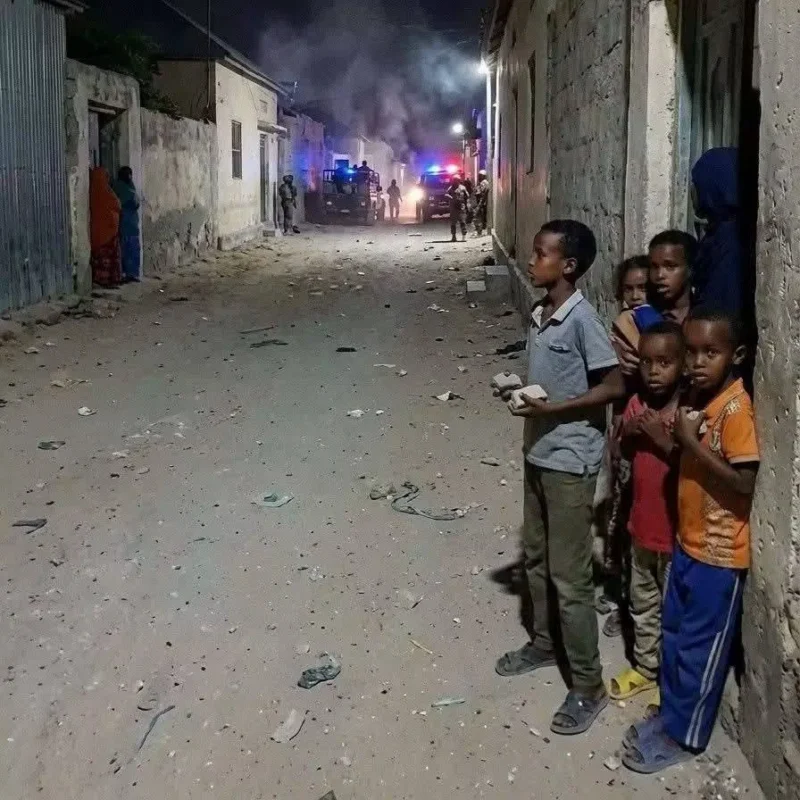
The power conflict has also divided local security units. While federal officials have gained control of most of Galmudug’s police and intelligence organizations, a significant challenge persists. The primary military installation in the region maintains allegiance to Qoorqoor, creating a considerable security threat that hinders Mogadishu’s objective to reconfigure the regional administration.
A high-stakes confrontation has emerged between the Federal Government and the Galmudug State administration following a controversial dual appointment for the position of Galmudug Police Chief. The federal authorities appointed Colonel Mohamed Dahir Abdulle, while a defiant Qoorqoor issued a state decree rejecting the federal move and officially reappointed Khaliif Abdulle Maalin (Ilkacase).[reference:4] Following these events, Galmudug President Qoorqoor has reportedly been locked in marathon emergency meetings with senior ministers and security officials as an atmosphere of fear, uncertainty, and military tension spreads across the regional capital.[reference:5]
Liban Ahmed’s Campaign Platform and Background
Liban Ahmed is emerging as a leading contender in the upcoming election, positioning himself as a candidate capable of balancing political interests while addressing long-standing clan tensions.[reference:6] His campaign has gained traction across the state’s 11 clans, with many viewing his rise as the product of dialogue and consultation rather than conflict.[reference:7] He has long been involved in resolving local disputes and mending relationships between district administrations, state officials, and federal institutions. Observers note that his ability to bridge rival factions has prompted communities from diverse areas to encourage his candidacy, with his platform centering on unity, stability, and shared progress.[reference:8]
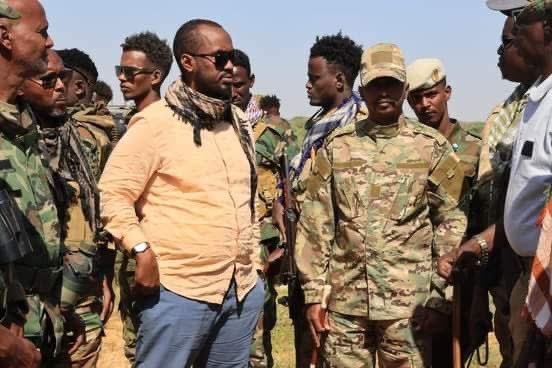
His background is not without controversy. According to local reports, Liban Ahmed is a former Galmudug militia leader who rose from operating in the shadow economy to becoming a close confidante of President Mohamud.[reference:9] Appointed by President Mohamud, he now holds a critical position overseeing military logistics in the Galmudug region.[reference:10] His campaign has been widely described as “consensus-built,” reflecting weeks of discussions among leaders seeking reliable and inclusive state leadership. If elected, Liban pledges to strengthen governance, expand development projects, improve public services such as education and healthcare, and foster political inclusion across clans.[reference:11]
As the political standoff intensifies, the deepening crisis has raised concerns among international partners, who fear prolonged instability could undermine security gains and distract from the fight against Al-Shabaab.
Recommended Reading On ftlsomalia.com:
- Federal Government and Galmudug in Dispute Over Police Chief Appointment
- Galmudug Rejects President’s Party District Office Bid
- Liban Ahmed’s Campaign for Galmudug Presidency Focuses on Unity and Stability
- Galmudug Boosts Security as New Special Forces Graduate in Dhusamareb
- Somalia President Decrees Close Ally as Sole Candidate for Galmudug Leadership