
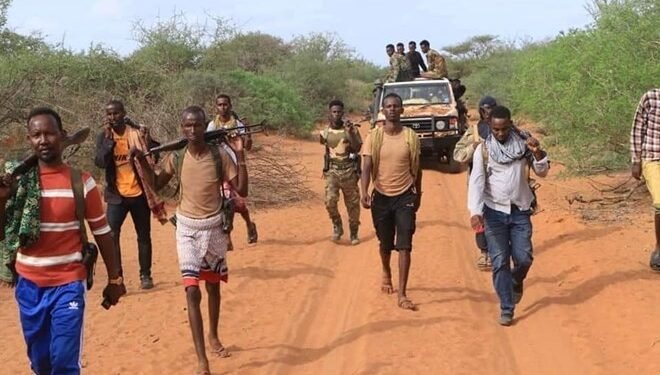
BELEDWEYNE — Heavily armed Macawiisley fighters have seized control of voter registration centers in Beledweyne, disrupting preparations for the Hirshabelle State elections scheduled for September 30, 2026, in a significant escalation of political tensions in the Hiiraan region .
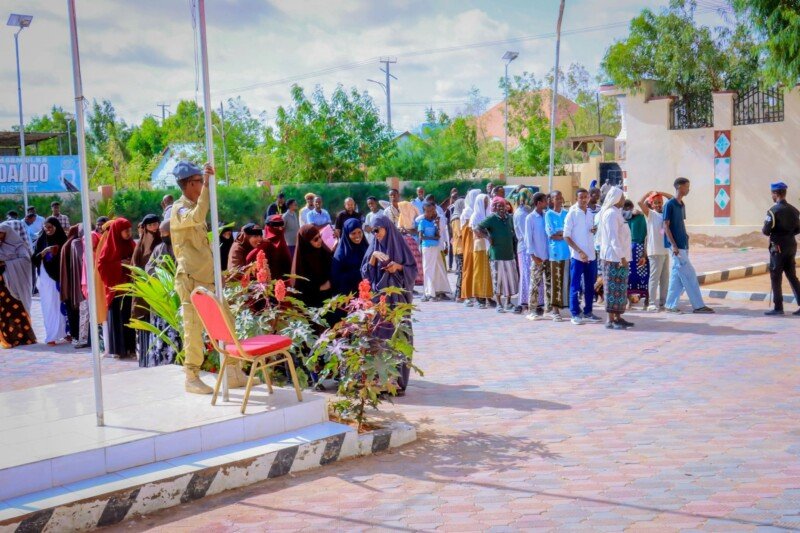
The fighters were deployed at key registration sites, including Mujamac School, one of the main venues selected for voter registration in the city . Witnesses reported that the forces prevented election-related activities from proceeding, citing political and security concerns surrounding the planned vote .
Macawiisley leaders said they would not allow an election backed by Hirshabelle President Ali Gudlawe and his political allies to take place in Beledweyne . They described Gudlawe as a leader whose mandate had expired and argued that the current political environment does not support the holding of a credible election in the region .
In an interview with Universal TV, Beledweyne District Commissioner Omar Osman Alasow rejected claims that polling stations had been seized and described the overall situation in the city as calm and stable . “We have not witnessed any disturbances in Beledweyne. Security forces are ensuring the safety of people registering for the elections,” Alasow said . He also stated that the people of Beledweyne want elections and are ready to participate .
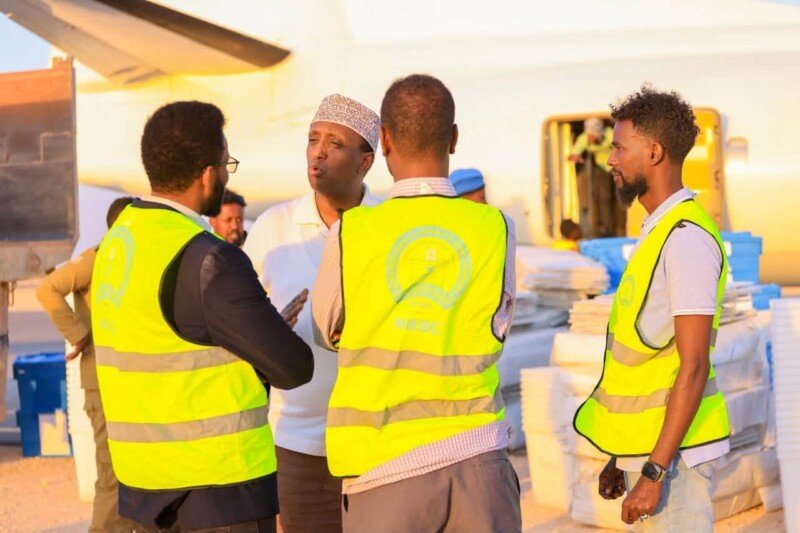
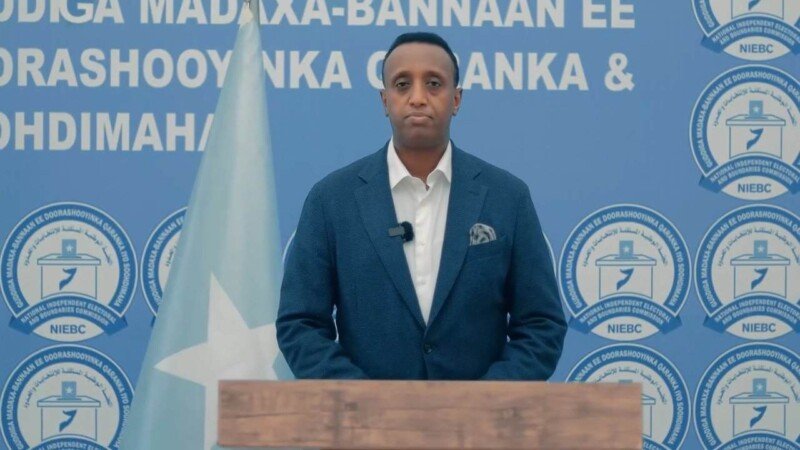
The incident comes as the National Independent Electoral and Boundaries Commission (NIEBC) released a new timetable for the Hirshabelle elections, setting September 30 as polling day . The preliminary voter list was to be published on September 2, with polling stations to be announced on September 15 .
The Macawiisley forces, who previously gained prominence for their role in anti-Al-Shabaab operations across Hiiraan, are now openly intervening in a political and electoral matter . The fighters also reportedly stated that no election excluding President Hassan Sheikh Mohamud from the ballot would be accepted in Hiiraan, raising further questions about the political motivations behind the standoff and the relationship between local armed groups, the Federal Government, and regional authorities .
The presence of armed forces at election sites has heightened concerns over the safety of electoral staff and civilians seeking to participate in the process . The development marks a significant escalation in the political dispute surrounding the electoral process in Hirshabelle .
The seizure of registration centers poses a major challenge for election officials and could disrupt efforts to register voters in one of Somalia’s most politically sensitive regions . Federal authorities, the Hirshabelle administration, and electoral bodies have yet to provide a detailed response on the number of centers affected or whether voter registration activities continue elsewhere in the region .
Critical Note
The intervention of Macawiisley fighters in Beledweyne’s electoral process highlights the deep political divisions and security challenges facing the Hirshabelle elections. The armed group’s ability to seize registration centers and disrupt electoral activities underscores the fragility of the electoral process and the limited reach of state authority in parts of the region.
While the District Commissioner has sought to downplay the incident, the presence of armed fighters at election sites raises serious questions about the feasibility of holding credible elections in areas where armed groups wield significant influence. The fighters’ rejection of President Gudlawe’s authority and their stated opposition to an election that according to them is supposed to re-elect Gudlawe as president Mohamud’ wish, is very likely to complicate the political landscape, suggesting that the electoral process is becoming entangled in broader federal-regional power struggles.
The international community must press for de-escalation and dialogue, while the federal government and Hirshabelle authorities must address the grievances of local communities and ensure that the electoral process is inclusive and secure. Without a political settlement that addresses the underlying tensions, the risk of further violence and disruption to the electoral process remains high.