
MOGADISHU: The Somali Future Council has announced that three days of political talks mediated by the United States and Britain ended in failure on May 15, the same day President Hassan Sheikh Mohamud’s four‑year term expired under the 2012 Provisional Constitution. The opposition alliance blamed the former president for the collapse, accusing him of choosing “political conflict, instability, and security chaos” over a negotiated transition.
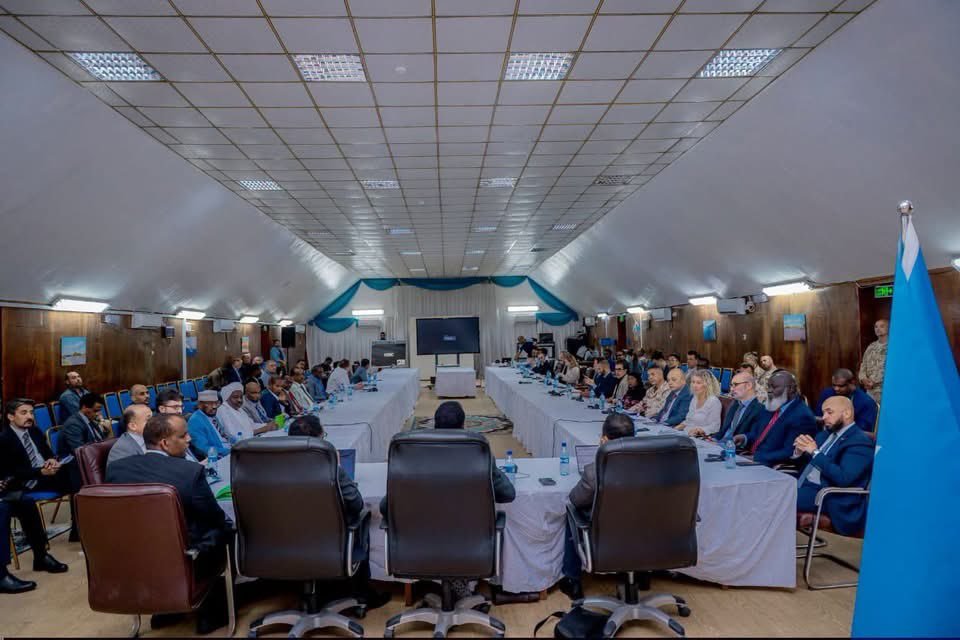
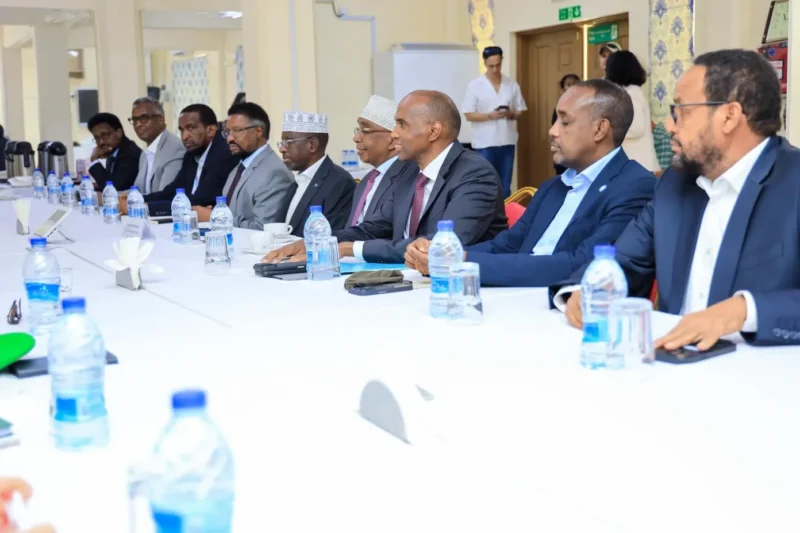
In a strongly worded press release, the Council said it participated in the negotiations with “good intentions, responsibility, and sincerity.” However, the president rejected any political agreement that would have recognized a constitutional vacuum after his mandate ended. The talks were held inside Mogadishu’s heavily fortified Halane compound, where international mediators had spent three days trying to bridge the gap between the rival camps. Sources familiar with the discussions said the atmosphere was tense from the start, with President Mohamud reportedly insisting that his term remained valid through May 2027 under recent constitutional amendments.
“The former President rejected a political agreement built on an inclusive transition process, national consensus, and a shared responsibility to address the constitutional vacuum resulting from the expiration of the President’s term today, May 15, 2026,” the Council’s statement read. Earlier rounds of the Halane talks had also foundered over opposition demands for the release of political detainees and the formation of technical committees, which the Council dismissed as stalling tactics designed to bypass the May 15 deadline.
The Council reiterated its position that, according to Article 91 of the Provisional Constitution, the president’s mandate ended on May 15. It now recognises Hassan Sheikh Mohamud solely as a “former president.” To avoid a governance vacuum, the Council proposed that the federal government should operate strictly under a principle of “executive power restraint” – limiting itself to technical and administrative continuity while refraining from any unilateral decisions on political, constitutional, election, or national security matters.
Opposition leaders had long warned that the administration’s refusal to negotiate an electoral roadmap in good faith would push the country into uncharted constitutional territory. In the lead‑up to the talks, the Council had set clear preconditions, including an immediate halt to “unilateral electoral activities” and the appointment of an independent mediator, after previous dialogue sessions had failed to produce results.
The Somali Future Council also took aim at the government’s stated commitment to one‑person, one‑vote elections, which President Mohamud has repeatedly championed as a historic break from clan‑based indirect voting. “Unilateral steps by the former President will further escalate political tensions, damage constitutional legitimacy, and weaken the unity and stability of the country,” the Council warned.
The Council called on all security forces to uphold their constitutional duty to protect the Somali people and to recognise that Mr. Mohamud’s orders “should not be executed.” It commended the “heroic forces” fighting Al‑Shabaab and ISIS on the frontlines, while cautioning against any unlawful use of military power during the transition.
After negotiations concluded without a breakthrough, African Union Commission Chairperson Moussa Faki Mahamat expressed deep concern. In a statement on May 16, the AU noted that the failure to reach consensus could have serious implications for Somalia’s stability and urged all parties to resume dialogue without delay. The United Nations also called for continued engagement, with its mission in Somalia (UNTMIS) emphasising that “the only path to sustainable political stability is through inclusive dialogue and compromise.”
The Council said it is now laying out a political platform aimed at discussing how to “save the governance and unity of the Somali people” during the transitional period. It thanked the international friends who supported the dialogue process and reiterated its commitment to finding a political solution.
As the country enters uncharted political terrain, the Council warned that the former president’s refusal to step back could unleash deeper instability. “The Somali Future Council warns that unilateral steps by the former President will further escalate political tensions, damage constitutional legitimacy, and weaken the unity and stability of the country at a time when Somalia is still facing severe security threats, including extremist groups like Al‑Shabaab and Daesh (ISIS).”
Recommended Reading on ftlsomalia.com:
- Opposition: President’s Mandate Expires May 15 Without Elections
- Halane Talks Collapse as Election Deadlock Deepens
- President Insists Term Continues as Opposition Rejects Legitimacy
- Opposition Seeks Indirect Voting System
- Opposition Leaders Accuse Government of Unconstitutional Changes
- EU Ambassador Promotes Dialogue at Mogadishu Iftar
- Somalia Commemorates 83 Years of Somali Youth League