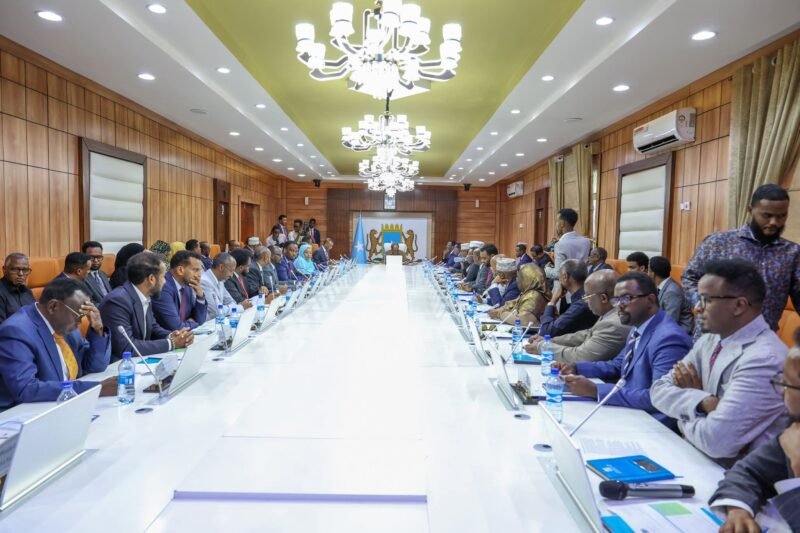

MOGADISHU: The United Nations Transition Mission in Somalia (UNTMIS) has called on the federal government and opposition leaders to continue political dialogue and establish consensus on an inclusive electoral model after three days of talks in Mogadishu failed to resolve key political disputes. The mission welcomed the resumption of discussions held between May 13 and 15 and commended international partners for supporting the negotiations, but expressed disappointment that the meetings ended without a breakthrough.
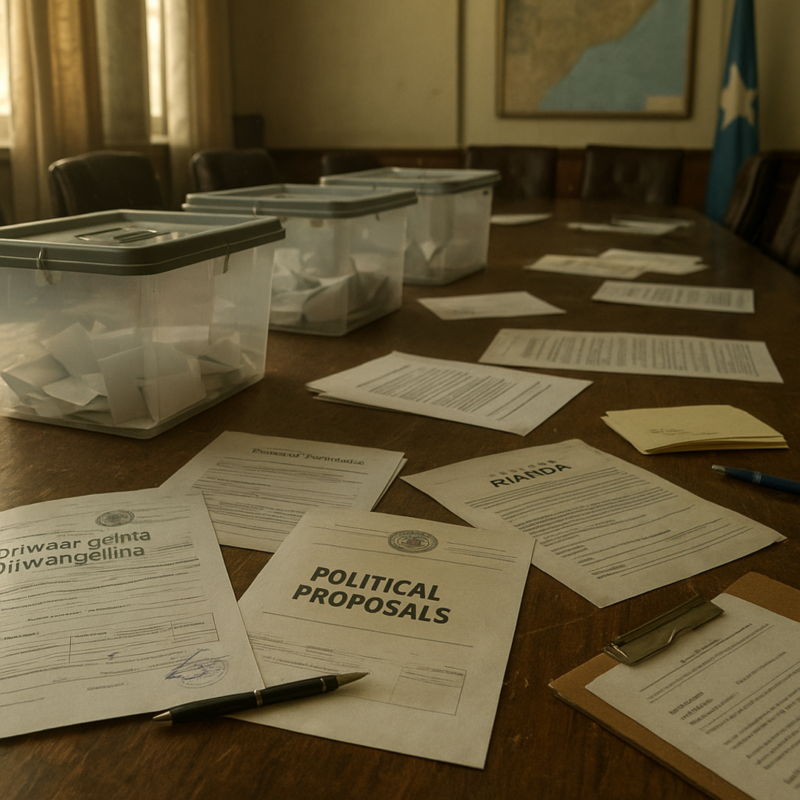
“The dialogue concluded without resolving key disputes,” the mission said in a statement, while noting that the parties had committed to continuing talks and seeking a constructive path forward. As Somalia enters what the UN described as a transitional political period, the mission called on the Federal Government to engage all stakeholders in order to build agreement around “a practical and unifying” electoral framework. The statement comes amid growing political tensions over Somalia’s electoral process, with disagreements persisting between the federal government and opposition figures over the structure and timing of upcoming elections. The conclusion of the three-day talks on Friday coincided with the official end of President Hassan Sheikh Mohamud’s four-year term under the 2012 Provisional Constitution. Lawmakers approved constitutional amendments in March 2026 to extend presidential and parliamentary terms to five years, but the opposition and some federal member states have rejected the extension. The UN mission expressed regret that the latest round of dialogue, convened by foreign diplomats, once again ended without resolving major disputes. A key focus of the talks was the dispute over electoral models, with the president advocating for universal suffrage while the opposition seeks to retain a revised version of the traditional indirect voting system. Opposition leaders have declared that the president would lose his legal authority after May 15 unless a national election is held or a constitutional alternative is agreed upon, while senior government officials have argued that the revised constitution gives the administration up to two additional years in power.
The UN mission also appealed for national unity to confront worsening humanitarian conditions and the continued threat posed by armed militant groups. It further called for restraint among Somalia’s political leaders and reiterated its readiness to work alongside international partners to help bridge divisions and support efforts toward political stability. The African Union Commission issued a similar appeal on Saturday, urging Somalia’s federal government and opposition leaders to return to dialogue. The AU Commission said it had closely followed the talks and regretted that they ended without consensus, commending both sides for engaging in direct dialogue and stating that the process was in the higher interest of Somalia and its people. The commission called for sustained and coordinated international diplomatic engagement to help Somali leaders bridge political divisions. The Halane talks, which were mediated by the United States and Britain, had been seen as a last‑minute attempt to avert a constitutional crisis.
The humanitarian situation in Somalia remains dire. More than six million people across the country are facing acute hunger, with nearly half a million children suffering from severe acute malnutrition. The 2026 Somalia Humanitarian Needs and Response Plan is currently only 15.2 percent funded. The UN mission urged Somali leaders to find a constructive way forward and unite to address the country’s severe challenges, including the humanitarian crisis and insecurity. Analysts warn that continued political divisions could undermine hard-won security gains and derail state-building efforts. With the opposition refusing to acknowledge the president’s authority beyond May 15, regional administrations openly resistant to the federal electoral framework, and security threats persisting across southern and central Somalia, the country now faces the possibility of an extended constitutional confrontation without a clear resolution mechanism. International partners, including the UN and the AU, continue to press for a negotiated settlement, but the window for compromise is rapidly narrowing.