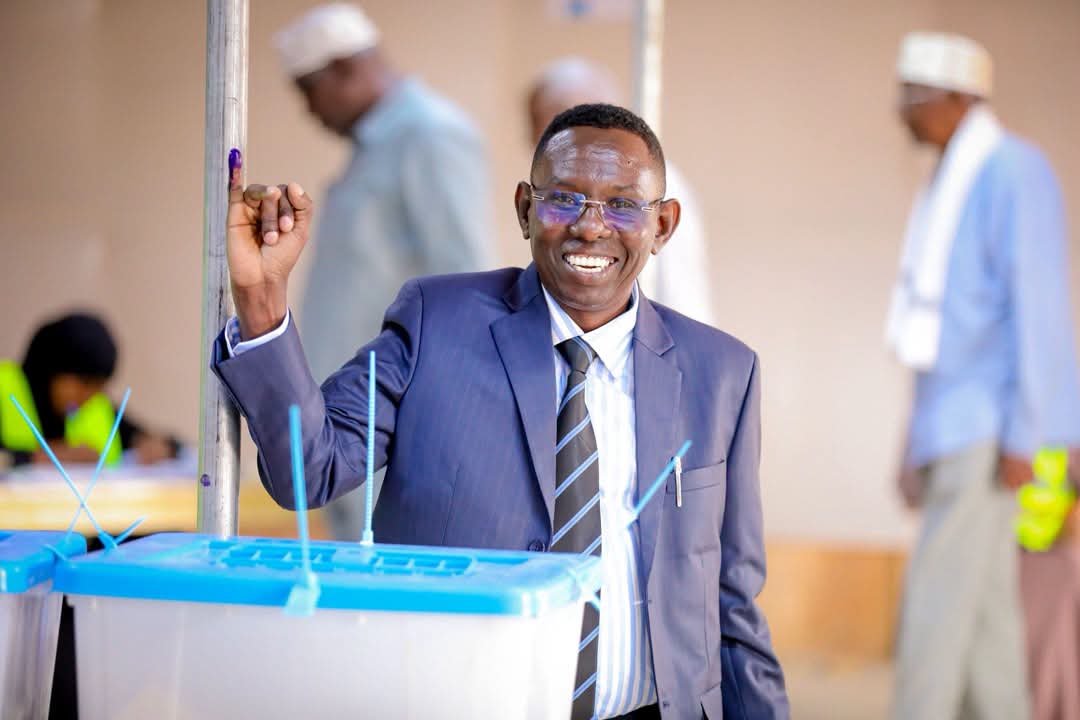

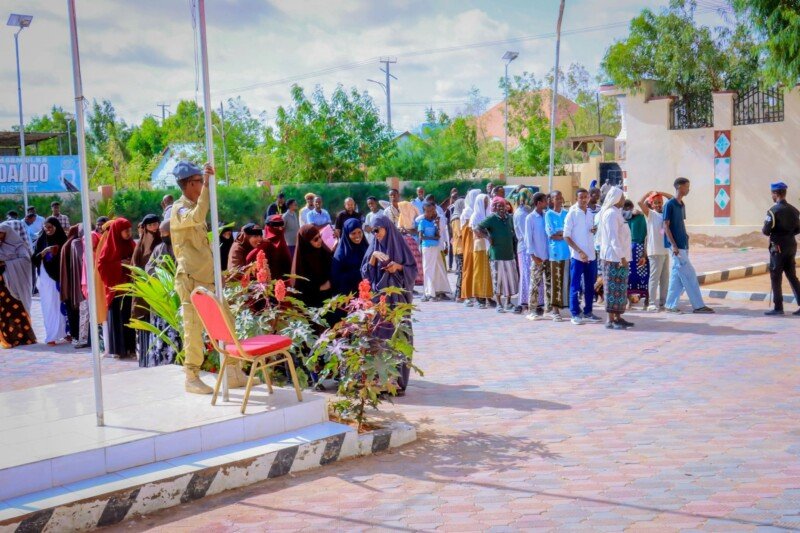
CADAADO – Ministers from Galmudug State have joined thousands of residents in the historic one-person, one-vote elections in Cadaado, casting their ballots alongside ordinary citizens in a moment that officials have hailed as a significant step forward for democratic governance in the region.
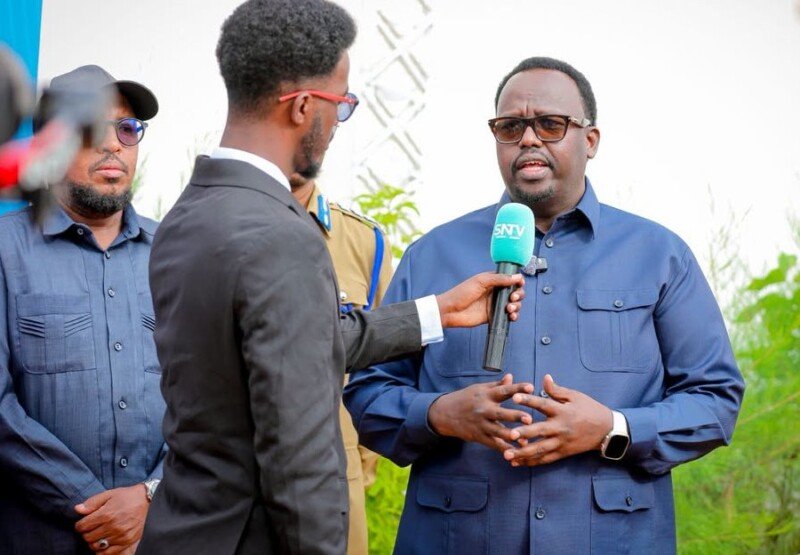
The Minister of Livestock for Galmudug, Abdullahi Abdirahman (Tootoole), and the Deputy Minister of Planning, Mohamed Abdullahi (Dhagacadde), were among the early voters at the district headquarters polling station. Speaking after casting his vote, Minister Tootoole described the day as a major milestone for Galmudug, marking a significant step forward in the system of good governance.

A Historic Day for Galmudug

The elections, which opened across approximately 300 polling stations in 11 districts, will determine the membership of both local councils and the Galmudug State House of Representatives. A total of 369 candidates from 12 political organizations are contesting the 89 seats of the regional parliament, while 924 candidates from 16 political organizations are competing for 243 seats across the 11 local councils.
The National Independent Electoral and Boundaries Commission (NIEBC) has confirmed that 215,860 individuals have been successfully enrolled and issued voting cards across the Galgaduud and Mudug regions. For many residents of Cadaado and the wider Galmudug region, this is the first time they have participated in a direct election, marking a historic shift from the clan-based power-sharing system that has long characterised Somali politics.
Federal Ministers and Oversight
Deputy Prime Minister Salah Ahmed Jama has visited polling stations in Galkayo to monitor the process, accompanied by federal ministers and other officials. Federal lawmakers whose electoral constituencies are in Galmudug also cast their votes in Galkayo and Dhusamareb.
NIEBC Chairman Abdikarim Ahmed Hassan confirmed that the voting process was proceeding smoothly, with no major incidents reported in the early hours of the vote.
A Commission That Follows Orders, Not Principles
The NIEBC’s insistence on adhering to the July 30 date, despite requests for a delay, raises fundamental questions about its independence and commitment to a level playing field. In a region where many voters lack access to information and candidates struggle to reach remote communities, the decision to rush the process serves the interests of well-funded candidates with federal backing, not the voters who deserve meaningful engagement.
While the Minister of Information and the NIEBC Chairman have coordinated efforts on public awareness and media coverage, the broader political context has cast a shadow over the electoral process. The arrival of NISA Chief Mahad Mohamed Salad in Galmudug ahead of the vote highlighted the federal government’s heavy-handed role in shaping the electoral outcome.
A Pattern of Federal Interference
The Galmudug elections come after a period of intense political negotiations and a shifting political landscape. Galmudug President Ahmed Abdi Kariye (Qoor-Qoor) withdrew from the presidential race following talks with federal officials, clearing the way for the federal government’s preferred candidate. President Hassan Sheikh Mohamud has designated Liban Ahmed Hassan as the sole candidate for the ruling Justice and Solidarity Party (JSP), bypassing internal party competition and raising concerns about the independence of the electoral process.
The NIEBC had rejected calls from political parties to delay the vote, citing the need to adhere to the electoral calendar. However, the compressed timeline has raised concerns about the credibility of the process, with critics arguing that it disadvantages candidates who lack resources and federal backing.
Way Forward
The Galmudug elections represent a significant step toward democratic governance in Somalia, but they also highlight the challenges that remain. The federal government’s interference in the electoral process, the NIEBC’s refusal to accommodate legitimate concerns from political parties, and the compressed timeline have all raised questions about the credibility of the vote.
For the people of Galmudug, the elections are an opportunity to shape their own future. But the success of the process will depend on whether the government can deliver a genuinely free, fair, and transparent vote that reflects the will of the people. Without these safeguards, the historic moment risks being remembered not as a democratic milestone, but as another missed opportunity.
Recommended Reading On ftlsomalia.com
- Galmudug Electoral Commission Rejects Calls to Delay July 25 Polls
- NIEC Releases Official Timeline for Galmudug State Elections
- Minister of Information and NIEBC Chairman Discuss Galmudug Election Awareness Campaign
- Deputy Prime Minister Inspects Polling Stations as Galmudug Holds Historic One-Person, One-Vote Elections
- Galmudug President Qoor-Qoor Withdraws from Presidential Race
- NISA Chief Arrives in Galmudug Amid Election Tensions