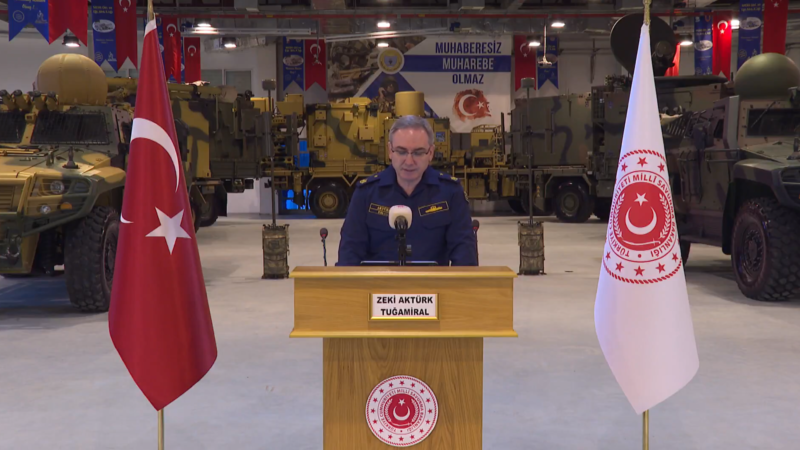

MOGADISHU — The Turkish Navy, working in cooperation with the Somali National Armed Forces (SNAF), has freed the cargo ship MV LUTUF, which pirates hijacked on 17 August 2026 in waters off Jifle, Eyl District, in the Nugaal region .
During the 10-day operation, four boats used by the pirates were destroyed, while 14 pirates died. Sustained pressure from the forces ultimately compelled the remaining pirates to abandon the vessel. The forces have taken full control of MV LUTUF, which has now safely resumed its voyage .
The operation was underpinned by the defence cooperation agreement between the Federal Republic of Somalia and the Republic of Türkiye, which strengthens bilateral cooperation in protecting Somalia’s coastline, safeguarding maritime security and combating piracy .
The MV LUTUF, a Cameroon-flagged cargo vessel, was seized on August 17 by eight armed pirates approximately four nautical miles south of Mareeya in the Eyl district . The ship, owned by Polar Movement Shipping, was carrying weapons, communications and satellite equipment bound for the TURKSOM Turkish military training facility in Mogadishu . The crew consists of ten members: six Indian nationals, one Turkish national, one Georgian, and two Serbian security guards .
Acts of piracy are serious criminal offences carrying severe penalties. The Ministry warns those involved, their backers and anyone who supports or condones such acts that they will be held accountable and brought to justice .
The Ministry of Defence of the Federal Government of Somalia commends the Somali National Armed Forces and the Turkish Navy for their cooperation in carrying out this operation. It reaffirms its commitment to protecting Somalia’s coastline and territorial waters, combating piracy and ensuring the safety of maritime navigation .
The LUTUF Hijacking and Broader Piracy Context
The rescue of the LUTUF comes amid a resurgence of Somali piracy that has seen six vessels hijacked since April . The International Maritime Organization (IMO) has issued an urgent warning about a significant resurgence of piracy in the Gulf of Aden, where six merchant ships and more than 90 seafarers are now being held captive .
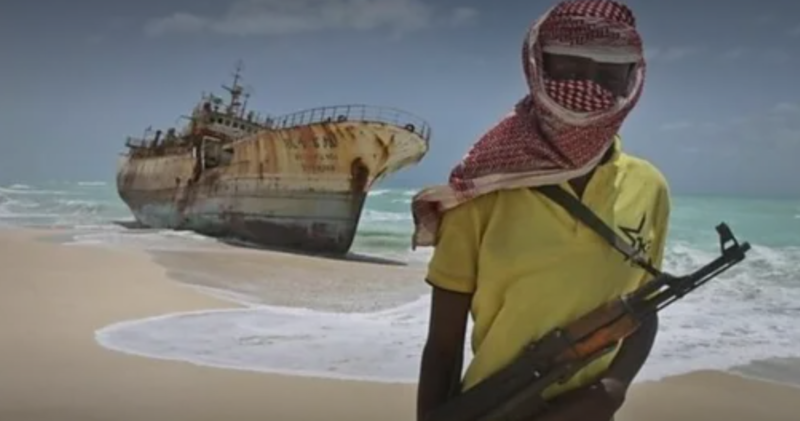
Somali pirates have converted a captured merchant vessel into a floating base from which they are launching new attacks, marking a significant escalation in the resurgence of maritime crime off the Horn of Africa. The MV Sward, a cement carrier hijacked on April 26, is now being used as a “mothership” to launch smaller attack skiffs against vessels in the Indian Ocean .
Security officials say the MV Sward seizure was the work of a new group of “opportunistic criminals” operating from Garacad, mostly formed of “rural youth” from an area “awash with weapons,” motivated by poverty and anger over illegal fishing by foreign vessels . On July 16, the group used the MV Sward to launch an attack on two Iranian fishing dhows, which were captured and later released after a ransom of $20,000 was paid .
The International Maritime Organization has reported that 24 attacks, including both attempted and successful incidents, have been recorded in the past three months, with perpetrators using increasingly heavy weaponry and violence . The agency also highlighted a 17 percent increase in global piracy and armed robbery incidents between 2024 and 2025 .
Turkey’s Expanding Role in Maritime Security
Turkey has dispatched two naval vessels to the Horn of Africa, with the frigates TCG Kemalreis and TCG Yzb. Gungor Durmus visiting Djibouti on September 3-4 in support of the Somali Naval Task Group and logistics transport missions to Somalia . The deployment underscores Ankara’s growing commitment to Somalia’s security and its determination to protect its strategic interests in the region .
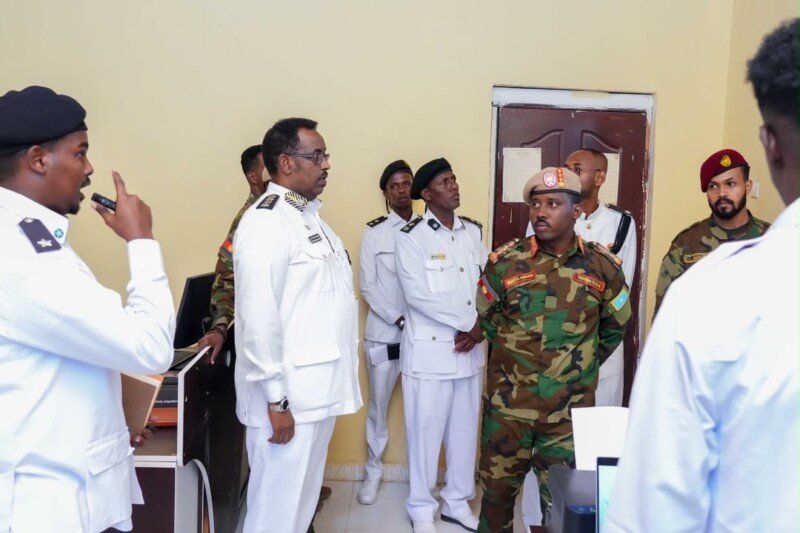
Somalia and Turkey have been deepening naval cooperation to rebuild the Somali Navy, with the Chief of the Somali Navy meeting with the Commander of the Turkish Naval Forces to advance cooperation in rebuilding Somalia’s maritime defense capabilities . Turkey has trained dozens of Somali naval officers and provided patrol boats, contributing to increased maritime surveillance along Somalia’s Indian Ocean and Red Sea corridors .
A Turkish naval delegation and exploration vessels arrived in Mogadishu in February 2026, with the fleet including an oil exploration and drilling ship docked alongside security support vessels, deployed under a bilateral agreement with Ankara regarding offshore oil survey and drilling operations .
The resurgence of piracy is being attributed to the diversion of international naval assets to the Red Sea, where Iran-backed Houthi rebels have been attacking shipping. With naval patrols stretched thin, pirates have exploited the security vacuum to resume operations . The United Kingdom Maritime Trade Operations (UKMTO) has raised the piracy threat level to “substantial” .
The Maritime Security Centre for the Horn of Africa (MSCHOA) has warned that a Pirate Action Group (PAG) is reportedly preparing to hijack a merchant vessel off the Somali coast, advising vessels to maintain heightened vigilance and adhere to Best Management Practices for Maritime Security .
Critical Note
The joint Somali-Turkish rescue of the MV LUTUF represents a significant success in counter-piracy operations, demonstrating the value of the defence cooperation agreement between Mogadishu and Ankara. The operation’s success in freeing the vessel and its crew without reported casualties among the hostages reflects the effectiveness of coordinated military action.
However, the broader context of the operation raises serious concerns about civilian casualties. The earlier airstrikes that killed at least 13 people, including individuals described as fishermen, highlight the dangers of military operations in areas where civilians and combatants are closely intertwined. The conflicting narratives over the identity of those killed—whether they were pirates or fishermen—underscore the need for greater transparency and accountability in counter-piracy operations .
As Puntland President Said Abdullahi Deni has noted, suspected pirates should face legal proceedings rather than be killed without due process. Without such accountability, the fight against piracy risks fuelling further resentment and instability in coastal communities .
Recommended Reading On ftlsomalia.com
- Pirates Seize Turkish Weapons Vessel Off Puntland with Six Indians Onboard
- Puntland Questions Foreign Airstrikes Amid Piracy Resurgence and LUTUF Hijacking
- Turkey Dispatches Naval Vessels to Support Somalia Amid Piracy Resurgence
- IMO Sounds Alarm as Somali Pirates Hold More Than 90 Seafarers Hostage
- Somali Pirates Turn Hijacked Ship into Mothership
- Somalia, Turkey Deepen Naval Cooperation to Rebuild Somali Navy