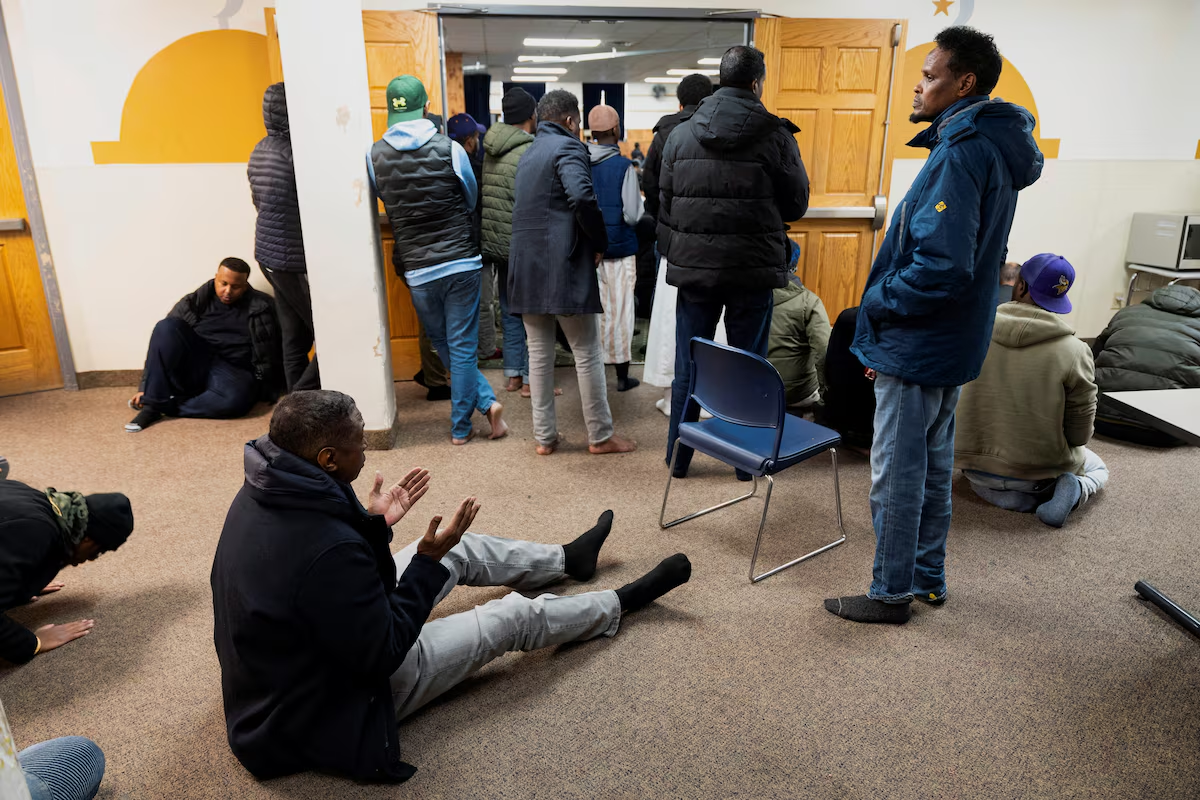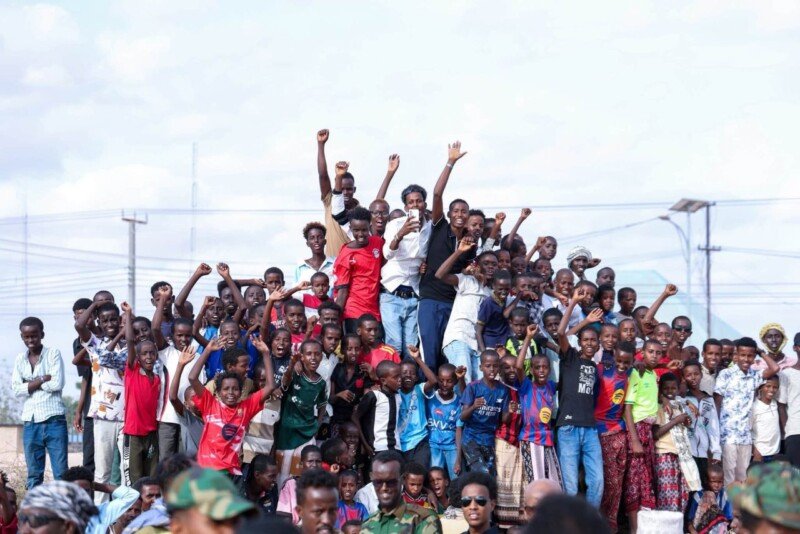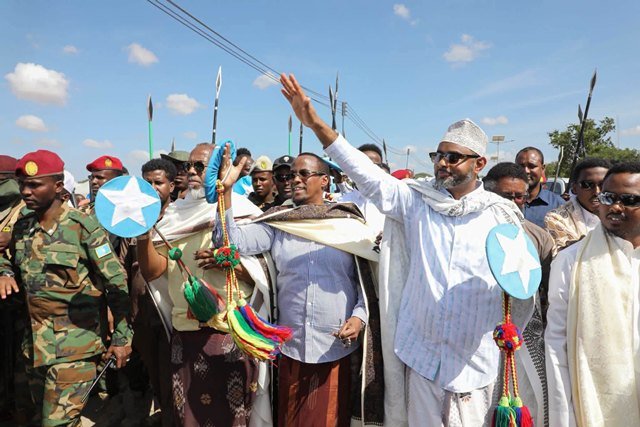

NAIROBI — The Ogaden National Liberation Front (ONLF) has commemorated its 42nd anniversary with celebrations in cities across the world, including Nairobi and London, as the organisation reaffirmed its commitment to a peaceful political struggle for the rights of the Somali people in Ethiopia’s Somali Region.
The ONLF was founded on August 15, 1984, by six former members of the Western Somali Liberation Front (WSLF) and other related movements. This year’s anniversary comes at a time when the organisation says it is focusing on political and diplomatic efforts to advance its goals, having transitioned from armed struggle to a political movement following a 2018 peace agreement with the Ethiopian government.
ONLF spokesman Adani Hirmooge addressed the commemorations, outlining the organisation’s political direction and future plans. He expressed hope that next year’s anniversary could be celebrated inside the Somali Region, particularly in Jijiga, if security and political conditions allow. He also stated that the ONLF aims to play a prominent role in the political leadership of the Somali Region, seeking to ensure that the people of the region have greater control over their political, economic, and natural resources.
Hirmooge also spoke about the organisation’s international strategy, saying the ONLF intends to bring the issue of the Somali people in Ethiopia to international bodies, including the United Nations, to seek support for what it describes as the right to self-determination.
The ONLF has strongly condemned the ongoing Ogaden Gas Project, describing it as a direct violation of Somali rights and a betrayal of the peace commitments signed with the Ethiopian government. The group accused Ethiopian authorities and foreign companies of exploiting the natural resources of the Somali Region without consulting the local population, warning that the project threatens to destroy pastoral livelihoods, displace communities, and deepen economic marginalisation in one of Ethiopia’s most resource-rich but historically neglected areas.
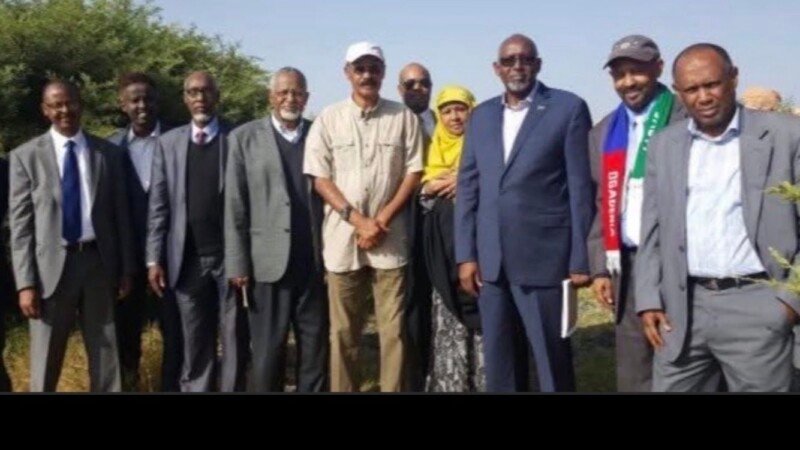
The ONLF signed a peace agreement with the Ethiopian government in Asmara on October 21, 2018, mediated by Eritrea, during the reformist period of Prime Minister Abiy Ahmed. The agreement was intended to end decades of armed conflict and provide a framework for the ONLF to pursue its objectives through peaceful political means. The ONLF Chairperson attended President Hassan Sheikh Mohamud’s inauguration in Mogadishu in 2022, reflecting the organisation’s engagement with Somalia’s federal leadership.
However, the organisation has in recent years expressed concerns about the political situation in the Somali Region and the implementation of the peace agreement. ONLF leader Abdikarim Muse Qalbi Dhagah returned to Mogadishu in May 2022 after the Somali government revoked its designation of the ONLF as a “terrorist organisation.” Prime Minister Mohamed Hussein Roble welcomed Qalbi Dhagah and apologised for his previous extradition to Ethiopia in 2018.
In June 2025, the ONLF held a congress in Jijiga where Abdikarim Sheikh Muse was formally elected as the new chairman, replacing Abdirahman Mahdi, who was removed from his position. The ONLF has since clarified that Mahdi no longer represents the organisation and that any statements made by him are his personal views. The organisation has also distanced itself from an X (formerly Twitter) account operating under the handle @ONLFofficial, stating it is not an official party channel.
Somalia-Ethiopia Relations: A Broader Context
The ONLF’s political trajectory is closely linked to the evolving relationship between Somalia and Ethiopia, which has seen both cooperation and tension in recent years. President Hassan Sheikh Mohamud and Prime Minister Abiy Ahmed held high-level talks in Addis Ababa in September 2025, focusing on deepening cooperation on shared regional priorities, including counterterrorism, trade and infrastructure connectivity, and regional stability. The meeting marked a significant step in easing tensions following Ethiopia’s controversial maritime agreement with Somaliland.
President Mohamud has stressed the importance of establishing joint commissions with Ethiopia to advance shared interests in trade, security, infrastructure, and cultural exchange. The move signals a potential thaw in relations and a shift toward structured cooperation between the two neighbours.
Somalia’s State Minister for Foreign Affairs, Ali Omar, and Ethiopian Foreign Minister Gedion Timotheos have held talks on strengthening cooperation in peacebuilding, counterterrorism, and regional integration, reaffirming both nations’ shared commitment to deepening bilateral relations and advancing regional stability.
President Mohamud attended the official launch of the Grand Ethiopian Renaissance Dam (GERD) in Addis Ababa in September 2025, reflecting Somalia’s readiness to engage more actively in regional infrastructure and energy conversations as it positions itself within the broader Horn of Africa integration agenda.
Foreign Affairs ministers from both countries have called for upscaling bilateral ties, with a particular focus on trade and investment, leveraging a joint ministerial commission to strengthen economic ties and foster greater collaboration.
The ONLF has repeatedly reaffirmed its commitment to the peace agreement and rejected allegations of links with armed groups. It has called on the Ethiopian government to honour its commitments and fully implement the accord in good faith. The ONLF maintains that the peace agreement has brought substantial benefits to the Somali Region and the wider Horn of Africa, and that it remains committed to pursuing its objectives through peaceful and democratic means.
Critical Note
While the ONLF’s 42nd anniversary and its reaffirmation of a peaceful political path represent a significant shift from its armed struggle past, the organisation’s concerns about the implementation of the 2018 peace agreement highlight the fragility of the current situation. The federal government’s centralisation policies under the Prosperity Party, combined with allegations of corruption and repression in the Somali Region, risk undermining the hard-won peace and could push the ONLF back toward resistance. The group’s warning that it seeks to play a more prominent role in the region’s political leadership suggests a desire to engage politically, but this will require genuine commitment from both sides to address the grievances that have fuelled decades of conflict. The broader context of Somalia-Ethiopia relations, while showing signs of improvement, remains complex, with both nations navigating competing interests in the Horn of Africa. The international community, which has invested in the peace process, must continue to press for full implementation of the agreement and for inclusive governance in the Somali Region.
Recommended Reading On ftlsomalia.com
- ONLF Condemns Ogaden Gas Project
- Somalia and Ethiopia Leaders Renew Commitment to Regional Stability
- Somalia, Ethiopia to Strengthen Ties Through Joint Commissions
- Somalia and Ethiopia Reaffirm Commitment to Peace and Security
- Somalia’s President Attends GERD Launch
- Exiled ONLF Leader Returns to Mogadishu