
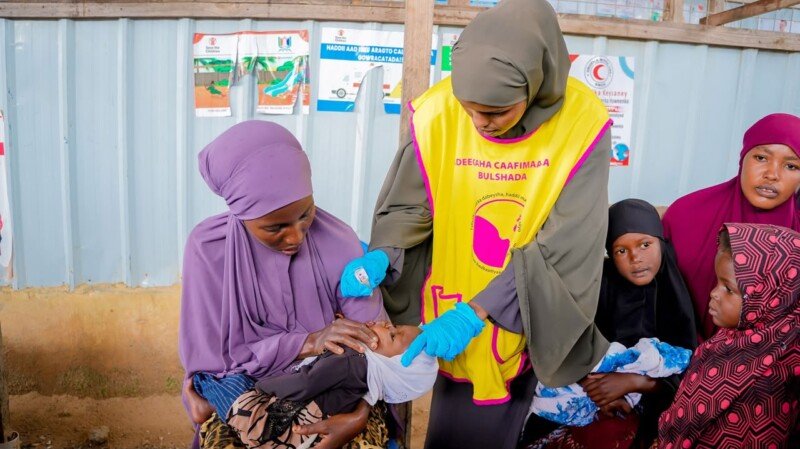
MOGADISHU — Somalia has piloted a new data-driven approach to delivering polio vaccines in high-risk communities, reaching 122,067 children under five in three districts of the Banaadir region, the World Health Organization (WHO) has confirmed.
The five-day pilot campaign was carried out in Dayniile, Garasbaaley and Kaxda — areas identified as high-risk due to population mobility, informal settlements, and the presence of newly arrived families [citation:1]. Health teams administered the novel oral polio vaccine type 2 (nOPV2) to approximately 94 percent of the children targeted.
The pilot was designed to address one of Somalia’s biggest challenges in stopping polio transmission: identifying and reaching children who are repeatedly missed by vaccination campaigns [citation:1]. Instead of relying mainly on population estimates, vaccination teams used detailed population data, Geographic Information System (GIS) mapping, field verification and real-time monitoring to identify priority areas and track children who might otherwise be missed.
This approach is particularly relevant in urban areas such as Banaadir, where population movements, newly arrived families and informal settlements can make it difficult for health authorities to maintain accurate records of children eligible for vaccination.
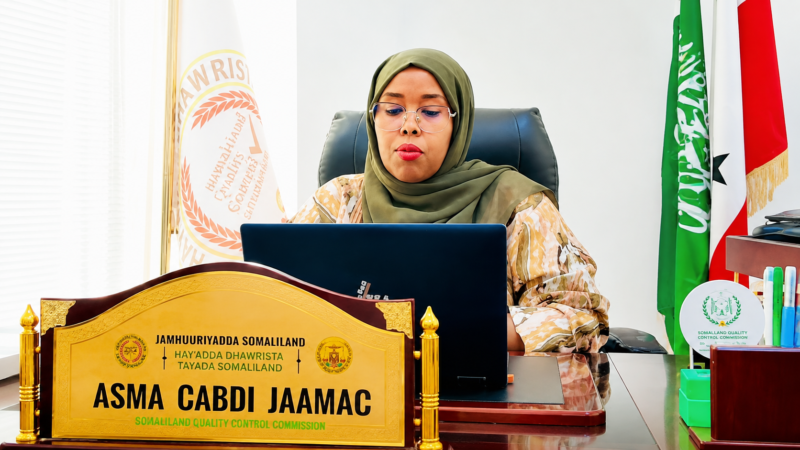
The Federal Ministry of Health has been working to strengthen health systems and regulatory frameworks, including the establishment of the National Medicines Regulatory Authority (NMRA) to ensure access to safe, quality medicines.
Polio Challenge in Somalia
Somalia has not recorded a case of wild poliovirus since 2014, but vaccine-derived poliovirus type 2 (cVDPV2) has continued to circulate in parts of the country since 2017. The virus can spread in communities where vaccination coverage is low, particularly when large numbers of children remain unvaccinated or receive incomplete protection.
Previous data from the U.S. Centers for Disease Control and Prevention showed that Somalia recorded 39 cVDPV2 cases between 2017 and March 2024 across 14 regions, with insecurity and other access challenges making it difficult to consistently reach children in parts of central and southern Somalia.
The problem is particularly acute in communities where families move frequently or live outside formal settlements, making conventional population estimates less reliable.
The government has been working to improve health regulation and service delivery, including plans to regulate the importation of medical products and medicated cosmetics.
Future Implications
The Banaadir pilot is therefore being used to assess whether combining geographical data with real-time monitoring can improve vaccination coverage and reduce the number of children missed during campaigns. WHO said lessons from Dayniile, Garasbaaley and Kaxda will be used to assess whether the approach can be expanded to other parts of Somalia.
The broader objective is to identify children who remain outside routine vaccination programmes and strengthen efforts to interrupt transmission of vaccine-derived poliovirus. The results will also be important for Somalia’s wider public-health system, where insecurity, population displacement and limited access to some communities continue to complicate efforts to deliver basic health services.
The government has also taken steps to address public health challenges, including the issue of increasing addiction and misuse of prescription drugs, with the Ministry of Health planning to license doctors to prescribe drugs and requiring hospitals to submit the names of pharmacists and pharmacy technicians for licensing.
Critical Note
While the successful pilot campaign in Banaadir represents a significant step toward improving polio vaccination coverage in Somalia, the broader challenges facing the country’s immunisation efforts remain substantial. Insecurity in parts of central and southern Somalia continues to limit access to children in high-risk areas, and funding shortfalls have forced health partners to scale back services even as needs remain high.
The government must prioritise investment in routine immunisation systems and work to ensure that the innovative approaches tested in Banaadir can be scaled up to reach children in other high-risk regions. The international community, while supporting these initiatives, must also increase its financial commitments to ensure that Somalia can sustain its progress toward polio eradication. The Somali people, who have endured decades of conflict and instability, deserve a health system that protects their children from preventable diseases.