
MOGADISHU – The Federal Government of Somalia has issued a strong condemnation of the entry of Israel’s National Security Minister Itamar Ben-Gvir and thousands of Israeli settlers into the Al-Aqsa Mosque compound in occupied East Jerusalem, describing the move as a serious violation of the sanctity of one of Islam’s holiest sites.
In a statement released on July 29, Somalia’s Ministry of Foreign Affairs and International Cooperation said the action, which took place on July 23 during the Jewish observance of Tisha B’Av, constituted a “serious violation of the dignity and religious significance of Al-Aqsa Mosque” and provoked the feelings of millions of Muslims around the world. The Islamic Waqf Department in Jerusalem reported that 3,228 people entered the Al-Aqsa courtyards during the morning visit, with the total number of visitors recorded throughout the day exceeding 4,200.
A Pattern of Escalation and Provocation
The incursion, led by Minister Ben-Gvir and carried out under the protection of a large number of Israeli police officers, involved thousands of Israelis and included the performance of provocative acts within the mosque’s courtyards. Reports indicate that the visit was part of a broader wave of mass incursions, with more than 5,400 settlers storming the compound over the course of a single week. These actions are part of a systematic policy by the Israeli occupation aimed at imposing new realities on the ground and altering the historical and legal status quo at Al-Aqsa Mosque.
The statement from the Somali government came as part of a wider regional and international outcry. The foreign ministers of eight countries, including Egypt, Jordan, Saudi Arabia, and Turkey, issued a joint statement strongly condemning the incursions. The Organization of Islamic Cooperation (OIC) also condemned the raid, describing it as a “flagrant violation” of the site’s historic and legal status quo and a provocation against Muslims worldwide. The OIC reaffirmed that the entire Al-Aqsa Mosque compound is an exclusive place of worship for Muslims.
Somalia’s Broader Confrontation with Israel
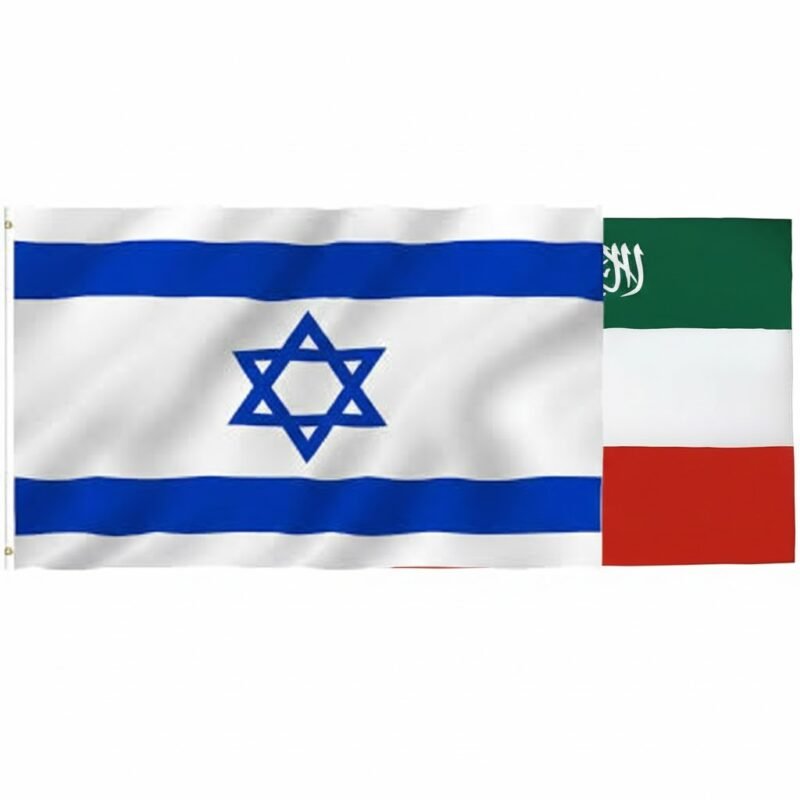
The condemnation of the Al-Aqsa incursion cannot be separated from the broader deterioration of Somalia-Israel relations, which reached a breaking point when Israel became the first United Nations member state to formally recognize Somaliland as an independent sovereign state in December 2025. The declaration, signed by Prime Minister Benjamin Netanyahu and Somaliland President Abdirahman Mohamed Abdullahi Irro, established full diplomatic relations, including the exchange of ambassadors and the opening of embassies. Somalia’s federal government has since viewed the move as a direct assault on its sovereignty.
President Hassan Sheikh Mohamud has described Israel’s recognition of Somaliland as “one of the darkest days in Somalia’s history,” revealing that the federal government weighed military action as a potential response but ultimately chose dialogue and persuasion. The president stated that Somalia and Israel have never maintained diplomatic relations or formal cooperation, and that “Somalia views Israel as an occupying and aggressive power against the Palestinian people.”
Diplomatic Retaliation and Mounting Tensions
The diplomatic fallout has been severe. Somalia has refused to renew airspace entry permits for the Israeli airline Arkia, effectively blocking its operations over the Horn of Africa, a move analysts view as the first concrete act of diplomatic retaliation. Mogadishu has issued stark warnings to Israel, stating that it reserves the right to take all necessary measures against Tel Aviv over its expanding engagement with Somaliland.
President Mohamud has cautioned that Israel’s recognition of Somaliland could import Middle East tensions into the Horn of Africa, warning that if Israel uses Somaliland as a proxy territory to attack others, they may retaliate in Somaliland and Somalia, creating a dangerous dynamic. He has also expressed concern about Israel’s recent regional actions beyond Palestine, including Syria and Lebanon, raising concerns about involvement in the Red Sea, Gulf of Aden, and the Horn of Africa.
Rhetoric
While Somalia’s condemnation of the Al-Aqsa incursion and its opposition to Israel’s recognition of Somaliland are principled stances, they also highlight the limits of Mogadishu’s diplomatic influence. The Somali government has become adept at issuing strong condemnations, but translating these into concrete action has proven elusive. The Somali people continue to struggle with their own crises of insecurity, poverty, and displacement, and the government’s focus on faraway conflicts raises questions about its priorities.
The government’s call for the international community and the UN Security Council to take action against provocative acts is a standard diplomatic appeal. But Somalia’s own record on human rights and its failure to hold its own officials accountable for abuses undermines its moral authority. The government’s emphasis on the protection of holy sites in Jerusalem, while it has struggled to protect its own citizens from violence and extremism, is a stark reminder of the gap between rhetoric and reality.
Way Forward
Somalia’s condemnation of the Al-Aqsa Mosque incursion is a reaffirmation of its commitment to the Palestinian cause and its alignment with the broader Islamic world. But it is also part of a larger confrontation with Israel over the recognition of Somaliland, a dispute that threatens to further destabilize an already volatile region. As Somalia continues to navigate its complex relationships with regional and international powers, it must ensure that its diplomatic statements are backed by a coherent strategy that serves the interests of its people, rather than merely appeasing its allies. The government’s focus on faraway conflicts, while it struggles to address its own crises, risks turning its foreign policy into a series of empty gestures.
Recommended Reading On ftlsomalia.com
- Israel Officially Recognizes Somaliland as Independent Sovereign State
- Mogadishu Cautions Israel Over Somaliland Engagement
- Somalia Warns Israel Over Somaliland Ties
- Somalia Weighed Military Action but Chose Dialogue After Israel’s Recognition of Somaliland
- Somalia Rejects Claims of Banning Israeli Airlines
- Somalia Raises Alarm Over Israeli Plans in Horn of Africa