
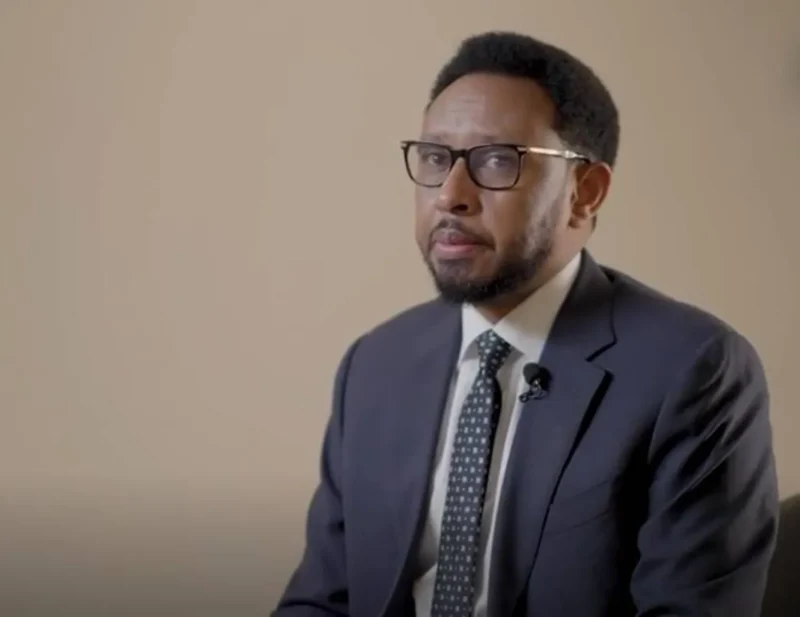
MOGADISHU – Somalia’s Finance Minister, Bihi Iman Egeh, has sounded the alarm over a sharp decline in foreign aid, warning that international contributions have dropped by 25 percent over the past two years, with the country losing between $450 million and $600 million in annual funding.
The minister’s warning comes as Somalia’s reliance on foreign assistance has reached a critical juncture, with donor fatigue, shifting geopolitical priorities, and allegations of corruption combining to shrink the financial lifeline that has sustained the country’s fragile institutions for decades.
A 25% Decline in Two Years
Speaking to reporters in Mogadishu, Minister Egeh disclosed that foreign aid to Somalia has fallen by 25 percent over the past two years, with the decline expected to continue. “We are talking about $450 million to $600 million that used to enter the country that is now disappearing,” he said. “The sectors most affected will be social sectors like health, education, security, and humanitarian affairs.”
The decline in aid is consistent with broader trends in the region. The European Union and United States have together contributed more than $7 billion into Somalia’s security sector since 2007, yet nearly two decades later, Somalia remains reliant on international forces. Donor nations are increasingly questioning the long-term results of their investment, with funding cuts now rippling across health, education, and humanitarian programs.
The Human Cost of Aid Cuts
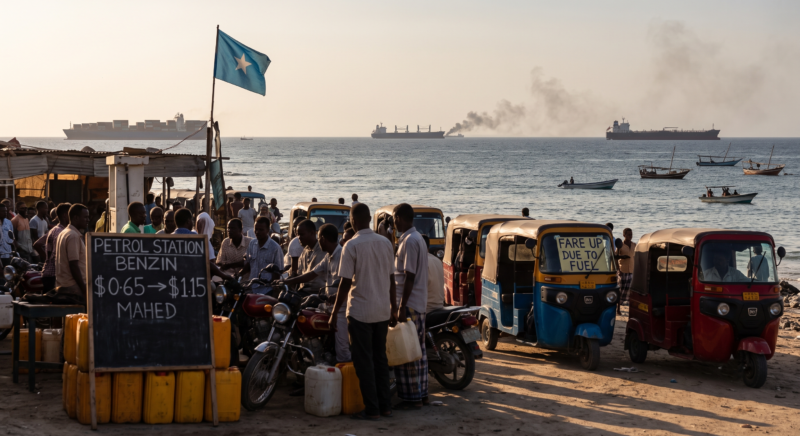
The impact of the funding shortfall is already being felt across Somalia. Even small gaps in financing translate into fewer meals and critical nutrition services for the most vulnerable. The humanitarian situation in Somalia remains dire, with millions of Somalis hanging in the balance, dependent not just on aid deliveries but on timely global support that can prevent the crisis from deepening further.
In Baidoa and elsewhere, funding cuts have forced humanitarian organisations to reduce or suspend services, leaving displaced populations without critical support. The number of severely malnourished children admitted to MSF-supported facilities rose from 1,937 in the first nine months of 2024 to 3,355 in the same period in 2025, as aid disruptions caused shipments of therapeutic milk to stop for months. Nationally, at least 4.4 million people faced high levels of acute food insecurity in late 2025, and 1.85 million children under five are projected to suffer acute malnutrition between August 2025 and July 2026, including 421,000 severe cases.
The Security Sector Under Strain
The decline in aid comes at a precarious moment for Somalia’s security transition. The United States has contributed nearly $2 billion to the UN support mission in Somalia but has grown frustrated with what it views as insufficient progress by Somali leaders in assuming responsibility for their own security. The future of the African Union Support and Stabilization Mission in Somalia (AUSSOM) hangs in the balance, with the Trump administration warning it will oppose any UN Security Council renewal that includes UN logistical support.
The United States has already suspended all ongoing assistance programs that directly benefit the Federal Government of Somalia, following grave allegations of corruption, aid diversion, and the destruction of international relief infrastructure by Somali authorities. The move has sent shockwaves through the government, which depends heavily on external financing for its operations.
A Pattern of Rhetoric Without Delivery
The government’s response to the aid crisis has been a familiar mix of rhetoric and inadequate action. Minister Egeh has previously touted an 80 percent increase in domestic revenue over three years, but this achievement is dwarfed by the scale of the aid shortfall. The government’s domestic revenue for 2026 is projected at $460 million, a fraction of the $450 million to $600 million in annual aid that is now disappearing.
The government has also pledged to transition from aid dependency to sustainable development, but progress has been slow. The gap between diplomatic rhetoric and on-the-ground reality remains wide. Prime Minister Hamza Abdi Barre has stressed the need to shift from aid to trade, but investment in Somalia remains limited. The government’s failure to address corruption and governance failures has undermined donor confidence and accelerated the decline in aid.
Way Forward
The decline in foreign aid is a wake-up call for Somalia’s leaders. The country can no longer rely on the international community to sustain its institutions and provide for its people. The government must accelerate reforms to increase domestic revenue, tackle corruption, and create an enabling environment for private investment.
But the government cannot do it alone. Donors must also ensure that their assistance is delivered in a way that strengthens local institutions and builds resilience, rather than perpetuating dependency. The aid cuts are a reminder that Somalia’s international partners are losing patience with a system that has produced few tangible results.
For the Somali people, the aid cuts are a disaster in the making. Without urgent action to address the funding shortfall, the health system will collapse, schools will close, and millions will go hungry. The government’s response so far has been inadequate, and the gap between rhetoric and action remains wide. The aid crisis is a test of whether Somalia’s leaders can finally move beyond dependency and build a sustainable future for their country.
Recommended Reading On ftlsomalia.com
- Donor Fatigue Grows as $7B Security Investment Faces Scrutiny
- Somalia Faces Critical Security Test as AUSSOM Mission Nears Collapse
- United States Halts Aid Programs to Somalia’s Federal Government
- Somalia Records 80% Increase in Domestic Revenue
- Somalia Grapples with Worsening Hunger Amid Funding Shortfalls
- UNDP Supports Somalia’s Vision of Transitioning from Aid Dependency